What matters when buying?
Fridge
Consider this: if you don’t need to freeze food at home and want to choose a fresh-food capacity that suits your shopping habits.
Bear in mind: this setup doesn’t provide the frozen-food storage of a fridge-freezer.
Fridge-freezer
Consider this: if you need to store fresh and frozen food in the same appliance.
Check: the freezer compartment may not be large enough for substantial stocks.
Separate freezer
Consider this: if your supplies regularly fill the freezer compartment of a fridge-freezer.
Bear in mind: you’ll be adding another appliance that runs continuously, so add its annual energy use to that of your fridge.
Start by working out how much space you need for fresh and frozen food, then compare appliance capacities and energy use with your kitchen and your habits.
| What matters |
What to check |
Who it matters most to |
| Capacity for fresh food |
Compare the fridge’s usable capacity in litres with the food you actually store from your shopping and meal preparation. Que Choisir Ensemble gives a guide of 100 to 150 L for one person, then 50 L for each additional person. |
When I shop regularly and freeze little, I want enough room for fresh food without choosing an oversized appliance. Around 33% of consumers prioritise usable capacity for this food. |
| Energy use and how you use it |
Compare the kWh/year figure and energy class for each model. If you keep several appliances running, add together their annual energy use. |
If I’m keeping an eye on electricity use, I compare models with capacities that suit how I use them and take all the appliances I run into account. Around 27% of consumers say electricity costs are their main concern. |
| Space for frozen supplies |
Check the freezer’s usable capacity in litres and whether the drawers are easy to access. Only add a separate appliance if a fridge-freezer compartment regularly falls short of your needs. |
When I prepare meals to freeze or buy in bulk, I want to store my supplies without adding an appliance that will be unnecessary the rest of the time. Around 20% of consumers prioritise frozen-food storage. |
| Installation and everyday use |
Check the appliance’s dimensions, the housing dimensions if needed, and the instructions in the manual. For a cellar or pantry, make sure the climate class is suitable for the room temperature. |
If my kitchen has a specific space for the appliance, I check that it will fit and that the installation conditions are suitable before choosing a capacity. Around 20% of consumers prioritise a fit with their space and how they use the appliance. |
Joybuy products related to this topic
This selection includes fridge-freezers and a separate freezer, so you can compare your needs for fresh and frozen food storage.
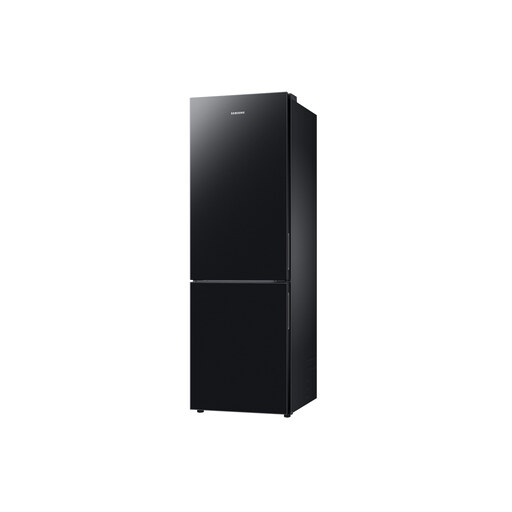 Image unavailable
Samsung RB33B612EBN, 344 L, black, E energy class
This fridge-freezer suits a household that wants to store fresh and frozen food in one appliance.
Fridge capacity: 230 L; freezer capacity: 114 L. E energy class and stated energy use: 254 kWh/year. Freestanding model, 59.5 cm wide. Allow at least 50 mm of clearance at the back and sides for ventilation.
View on Joybuy
 Image unavailable
AEG NSC6M18FES, built-in, 249 L, E energy class
This built-in fridge-freezer is designed for a kitchen with a space suited to a sliding-hinge installation.
Fridge capacity: 186 L; freezer capacity: 62 L. The title states a total capacity of 249 L and an E energy class. The doors are reversible; check the dimensions and type of housing before buying.
View on Joybuy
 Image unavailable
Heinrich´s, upright freezer, 161 L, C energy class
This separate freezer is for frozen supplies and can’t replace a fridge for fresh food.
Stated capacity: 161 L. The title gives it a C energy class. The description mentions No Frost and an arrangement of drawers and shelves.
View on Joybuy
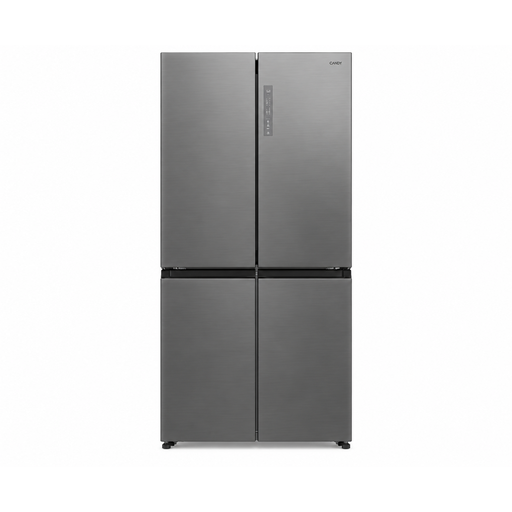 Image unavailable
Candy CFQQ5T817EPS, multi-door, 467 L, E energy class
This multi-door fridge-freezer may suit you if you need separate spaces for fresh and frozen food.
Fridge capacity: 311 L; freezer capacity: 156 L. Stated energy use: 290 kWh/year; E energy class. Dimensions: 83.3 × 65 × 181.5 cm. Freestanding model.
View on Joybuy
 Image unavailable
Sonlu CC-520WE, side-by-side, 444 L, E energy class
This side-by-side model combines refrigeration and freezing in one freestanding appliance.
Total capacity: 444 L; stated energy use: 289 kWh/year. E energy class and SN-T climate class. The stated ambient temperature range is 10 °C to 43 °C.
View on Joybuy
Frequently asked questions
What should I compare on the energy label of a new refrigeration appliance sold in France?
For the exact model, compare its A to G energy class and annual energy use in kWh, then check the compartment capacities and noise level. The French Ministry of the Economy notes that energy labelling applies to the relevant appliances sold both in shops and online. The European Commission provides EPREL to search for registered models. An old A+++ rating can’t be compared directly with the new scale.
How much capacity do I need if I often prepare and freeze meals?
Work out separately how much space you need for fresh shopping and frozen supplies. Que Choisir Ensemble gives a guide of 100 to 150 L of fridge capacity for one person, then 50 L for each additional person, but how often you shop and what you prepare can affect your needs. Then compare a fridge-freezer’s freezer compartment with the supplies you actually keep.
Can I put a freezer in a cellar or pantry?
It depends on the room temperature and the climate class of the model you choose. Check the manual and installation requirements before buying: the word “freezer” alone doesn’t guarantee that an appliance is suitable for a cold room.
How should I organise my fridge to keep food fresh?
According to Anses, the coldest part should be between 0 and +4 °C. Check the temperature, put perishable food there, allow air to circulate and avoid overfilling the appliance. Freezing food at home at −18 °C stops bacteria multiplying, but most micro-organisms survive freezing.
What warranty applies when I buy a new appliance from a business?
In France, the statutory guarantee of conformity is mandatory and is provided by the professional seller. For a new product, the Ministry of the Economy states that it lasts two years; this is separate from any optional commercial warranty. Check separately what delivery, installation and removal services are included with your order.


