Fridge-freezers available on Joybuy
These fridge-freezers provide storage for both fresh and frozen food. Their capacities and formats vary, so first choose the capacity that suits you, then check the annual energy use of the model you’re considering.
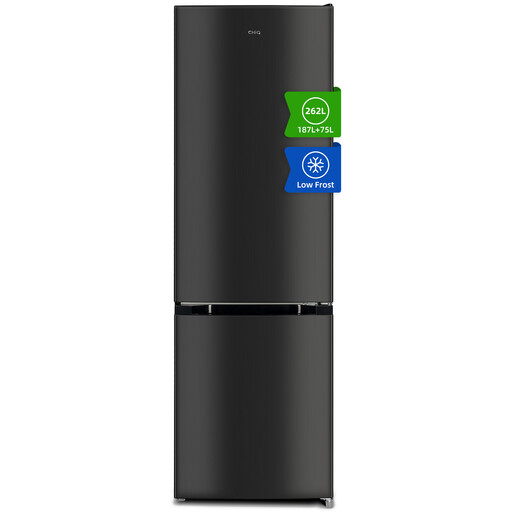 Image unavailable
CHiQ JR263LGE, 262 L Low Frost fridge-freezer, black
Worth considering if you’re looking for a 54 cm-wide fridge-freezer for fresh and frozen food. The title lists a height of 176 cm and a 70/30 split. Check the capacity of each compartment and the kWh/year on the model’s product page. Low Frost does not rule out the need for manual defrosting.
View on Joybuy
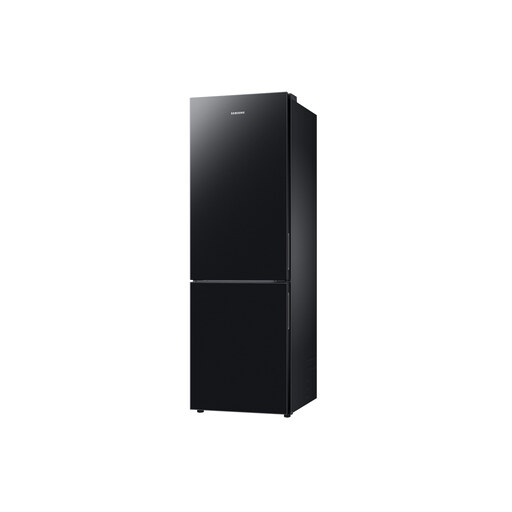 Image unavailable
Samsung RB33B612EBN, 344 L fridge-freezer, black
This energy class E fridge-freezer is worth considering if you need space for fresh and frozen food. Check how the 344 L is split between the compartments, along with the kWh/year and dimensions, before comparing it with another format.
View on Joybuy
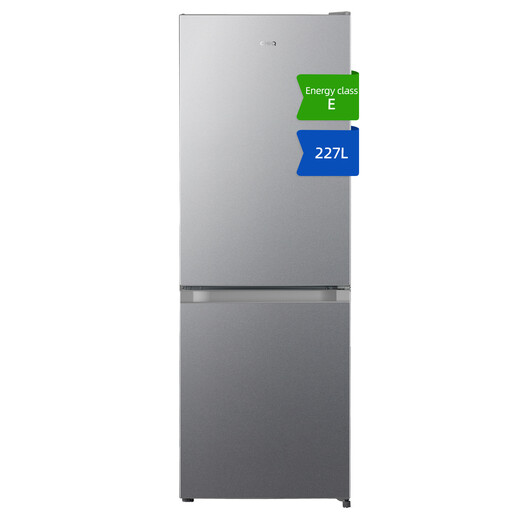 Image unavailable
CHiQ JR227LSE, 227 L Low Frost fridge-freezer, silver
Its stated width of 54 cm may suit a narrow space, but check the clearance needed for installation. The title gives a split of 153 L for refrigeration and 74 L for freezing, and lists energy class E. Check the kWh/year figure to compare its energy use; Low Frost may still require manual defrosting.
View on Joybuy
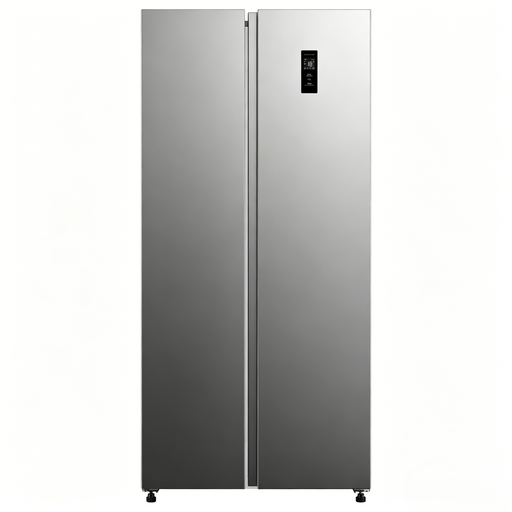 Image unavailable
Sonlu CC-520WE, 444 L frost-free fridge-freezer, silver
This total capacity may suit a household with plenty of food to store, provided the split between fresh and frozen food meets its needs. The title lists energy class E and a noise level of 40 dB. Check the separate compartment capacities, kWh/year and installation dimensions before choosing.
View on Joybuy
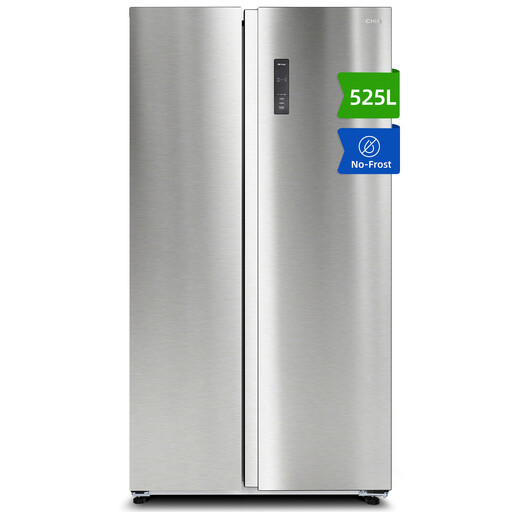 Image unavailable
CHiQ JR525WSE, 525 L No Frost side-by-side fridge-freezer, stainless steel
This format is worth considering if you need plenty of space in both compartments over the long term. The title lists a 333 L fridge compartment, a 192 L freezer compartment, energy class E and a noise level of 37 dB. Check the kWh/year and dimensions before deciding whether this capacity suits your home.
View on Joybuy
Frequently asked questions
Which figures on the energy label should you compare first?
Compare the stated kWh/year and usable capacity of each compartment for appliances with a similar capacity and format. The EU energy label also shows the energy class, from A to G, and the noise level. The energy class alone does not replace comparing capacity and energy use.
Does No Frost mean a fridge-freezer uses less energy?
No. No Frost alone does not tell you whether a fridge-freezer uses less energy than another. Compare the stated kWh/year, usable capacities and energy classes of the models you’re considering, while also taking your defrosting preferences into account.
When should you consider a separate freezer?
Consider one if you need more freezer space in the long term than the fridge-freezer that would otherwise suit you can provide. Check the capacity you need, where it will go and the kWh/year of this extra appliance, which will also run continuously.
What temperature should you keep an eye on in your fridge?
Anses recommends keeping the coldest part of your fridge between 0 °C and +4 °C. Check the temperature regularly, especially after installation or after adding a large amount of food.
What should you do if a product listing still shows A+ or A++?
Check the label and product information for the exact model against the current A to G scale. According to the European Commission, this scale has applied to labels for the domestic fridges and freezers covered since 1 March 2021. It shows details including kWh/year, capacity and noise level.


