Someone living in a studio or with a small kitchen
The available space and access routes will help determine your choice. A compact appliance may suit smaller shops, but check the freezer compartment if you keep frozen food in stock.


First, measure the space available. Then choose the fridge and freezer capacities you need based on the size of your household and how often you shop. A table-top fridge is best suited to kitchens where space is very limited, while a fridge-freezer gives you two separate storage areas. A multi-door model is worth considering if you need to store large quantities and have room for it in your kitchen. Finally, check the dimensions, door opening, energy label, noise level and installation instructions for the model you choose.
As UFC-Que Choisir points out in its buying guide, the format should suit both the size of your kitchen and the way your household shops.
The available space and access routes will help determine your choice. A compact appliance may suit smaller shops, but check the freezer compartment if you keep frozen food in stock.
When you’re storing several days’ worth of shopping, leftovers and frozen food, consider the fridge and freezer space separately.
If you buy large quantities or regularly stock up on frozen food, compare the usable capacity of each compartment before considering a large fridge-freezer or multi-door model. Also check that its dimensions will fit through access routes and into your kitchen.
Start by choosing a format that fits your kitchen and your usual shopping. The differences between formats don’t remove the need to check the specifications and instructions for the exact model you’re considering.
Consider it if: space is tight and you don’t usually buy large quantities.
Bear in mind: its compact size means less room for food, particularly frozen food, depending on the compartment.
Consider it if: you mainly store fresh food and only a small amount of frozen food.
Bear in mind: the small compartment may not be a substitute for the separate freezer in a fridge-freezer. Check its capacity and star rating.
Consider it if: your regular shops include both fresh and frozen food that you want to store in two separate compartments.
Bear in mind: you’ll need to allow for the model’s height and depth, including when the doors are open.
Consider it if: your household really does need to store large quantities of fresh and frozen food.
Bear in mind: its size means you’ll need to check access routes, where it will go and whether the doors can open fully. A large capacity alone isn’t a reason to choose one.
| Consideration | What to check | Who it matters to |
|---|---|---|
| Kitchen space | Measure the space and access routes. Check that the doors can open and allow for the clearances specified in the instructions. | In a studio, I need to be able to install and open the appliance without blocking the way; around 31 % of consumers put this compatibility first. |
| Frozen food storage | Compare the freezer’s usable capacity and, for a small compartment, its star rating. | If I regularly keep frozen food or freeze meals I’ve prepared, I need a suitable compartment rather than just a high total capacity; this is the priority for around 31 % of consumers. |
| Fresh food storage | Check the fridge capacity in litres and the layout of the shelves and drawers. | To store several days’ shopping and leftovers, I need enough fridge space; around 23 % of consumers prioritise this. |
| Energy and noise | Compare the annual energy consumption and noise level on the energy labels of the models you’re considering. | In an open-plan kitchen, noise matters every day, as does the energy consumption of an appliance that runs continuously; around 15 % of consumers put these considerations first. |
Two appliances can divide their capacity very differently between fridge and freezer. A small compartment may not be suitable for the amount of frozen food you keep.
Work out how much fresh food, how many leftovers and how much frozen food you need to store. Then compare the capacity of each compartment and, if needed, its star rating.
A fridge may fit into its space, but its doors might not open properly or there may not be enough clearance for installation.
Before ordering, check the delivery access routes, the model’s dimensions, which way the doors open and the instructions in its manual.
Noise levels vary from model to model and are especially worth considering if your kitchen opens onto your living space.
Compare the dB(A) values and noise class shown on the label or product information for each appliance you’re considering.
In France, an optional commercial warranty is separate from the legal guarantee of conformity that applies when a business sells goods to a consumer, as explained by the Ministry of the Economy.
Check what the legal guarantee already covers, then compare the duration and specific terms of any extended warranty on offer.
These brands showcase different formats to compare. The specifications mentioned apply to the models listed, not to their entire ranges.
A brand to consider for compact formats when space is limited.
A brand to consider for fridge-freezers with separate fresh and frozen food compartments.
A brand to consider if you’re comparing fridge-freezers with different capacities and dimensions.
These fridge-freezers and multi-door models are aimed at households that want separate storage for fresh and frozen food, with different capacity needs. Before choosing, check that each one will fit in your kitchen.
 Image unavailable
Worth considering if your regular shops include both fresh and frozen food. Stated total capacity: 344 L; energy rating E. Check the space needed to open the door and the installation instructions in the manual.
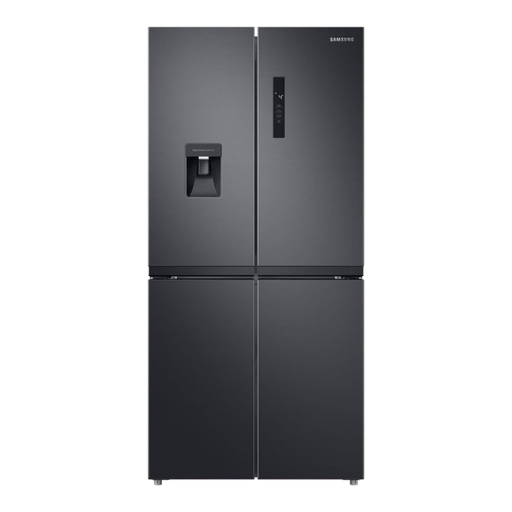 Image unavailable
Worth considering if you buy and store large quantities, provided your kitchen can accommodate its size. Stated total capacity: 488 L; energy rating E. Measure the access routes and check the door opening and installation instructions.
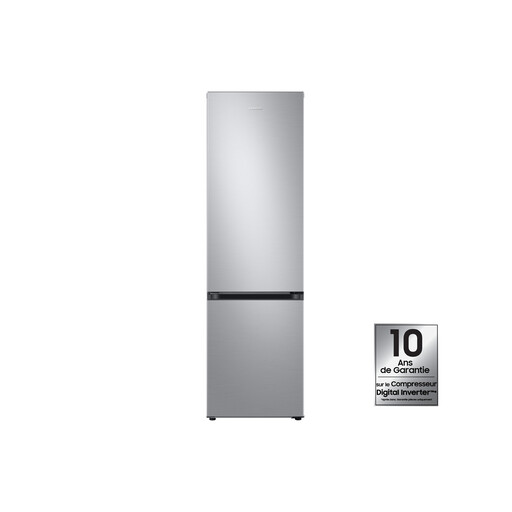 Image unavailable
Worth comparing if you shop regularly and want separate compartments for fresh and frozen food. Stated total capacity: 390 L; energy rating C. Check the available space, door opening and clearances specified in the manual.
 Image unavailable
Worth considering if your household needs plenty of space for fresh and frozen food. Stated total capacity: 495 L; energy rating E. Check the access routes, door opening and model-specific ventilation instructions.
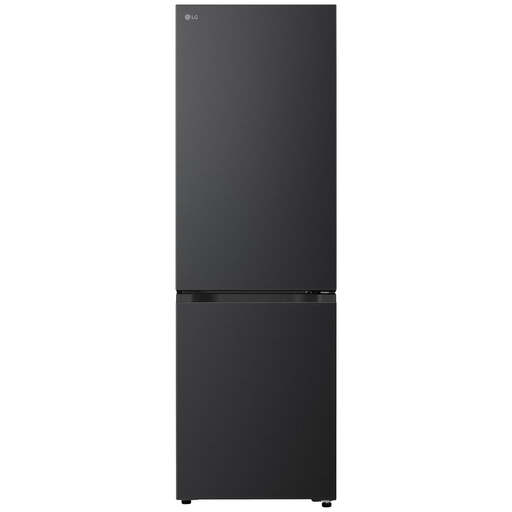 Image unavailable
Worth considering if you want to divide your shopping between the fridge and freezer compartments. Stated total capacity: 333 L; energy rating C. Check the dimensions, door opening and ventilation requirements in the manual.
It depends on the number of people in your household and how much fresh and frozen food you need to store. UFC-Que Choisir suggests an average starting point of 100 to 150 L for one person, plus 50 L for each additional person. Adjust this guide to how often and how much you shop, and look at the fridge and freezer compartments separately.
For the domestic appliances covered, compare the energy rating, annual energy consumption, storage capacities and noise emissions. The European Commission also notes that the label states whether the appliance has a freezer compartment. Check these details for the exact model rather than relying on its total capacity alone.
No. The doors need to be able to open, and the installation must allow for the clearances specified for the model. Before buying, check the dimensions and instructions against the space, nearby walls and delivery access routes.
In France, a fridge sold by a business to a consumer is covered by the legal guarantee of conformity if it doesn’t match the agreed description. The Ministry of the Economy distinguishes this compulsory protection from a commercial warranty. Contact the seller to discuss the situation and the remedies available.