What should you check before buying?
Work out how much space you need for fresh and frozen food, check the installation requirements, then compare the noise levels and energy consumption of suitable models.
| Priority |
What to check |
Who it matters to |
| Capacity for your groceries |
Compare the usable capacity of the fridge and freezer, as well as the external dimensions. |
When I shop less frequently, I want to store fresh food without overcrowding the shelves. Around 31% of consumers prioritise this storage capacity. |
| Space for frozen food |
Check the dedicated freezer capacity and the compartment’s features, rather than looking at the total capacity alone. |
If I regularly buy frozen food, a small freezer may not give me enough room to stock up. For around 25% of consumers, freezer capacity comes before other criteria. |
| Positioning and doors |
Measure the space or cabinet opening; check ventilation, door clearance and, for an integrated model, the door mounting. |
In a fitted kitchen, I need to be able to install the appliance and open its doors before I can make use of its capacity. Around 25% of consumers prioritise whether it will fit their kitchen. |
| Noise, size and energy consumption |
Compare the dimensions, stated noise level and annual energy consumption shown on the energy label. |
Near a living area, I want an appliance that fits the space without overlooking its noise level or energy consumption. These factors are the top priority for around 19% of consumers. |
Fridges available on Joybuy
These models cover a range of fresh and frozen food storage needs, from integrated fridge-freezers to larger freestanding appliances. Compare each model’s capacity with the space available in your kitchen.
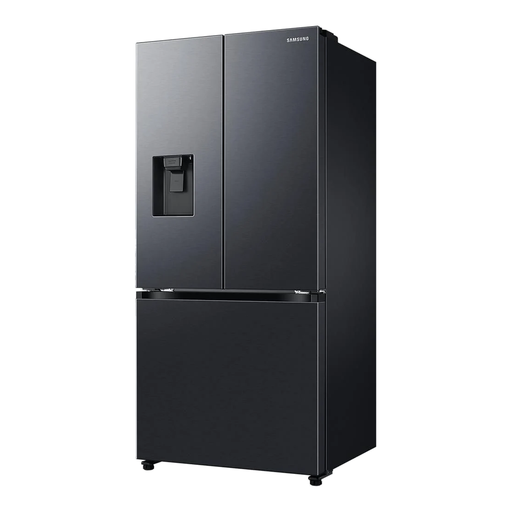 Image unavailable
Samsung RF50C530EB1 multi-door fridge, 495 L, black
Worth considering if you need a large-capacity multi-door appliance for your groceries.
Stated total capacity: 495 L; energy rating E.
Check the space available, delivery access and the clearance needed to open the doors.
View on Joybuy
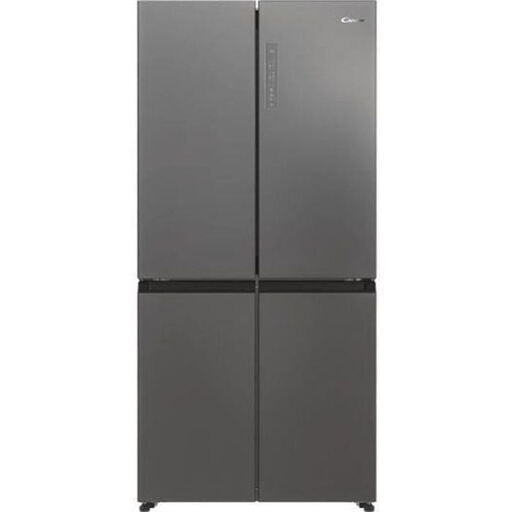 Image unavailable
Candy CFQQ5T817EPS four-door fridge-freezer, 467 L, silver
A multi-door format to consider if you need space for both groceries and frozen food.
Stated total capacity: 467 L; Total No Frost; energy rating E.
Measure the space and check the clearance needed for installation and opening the doors.
View on Joybuy
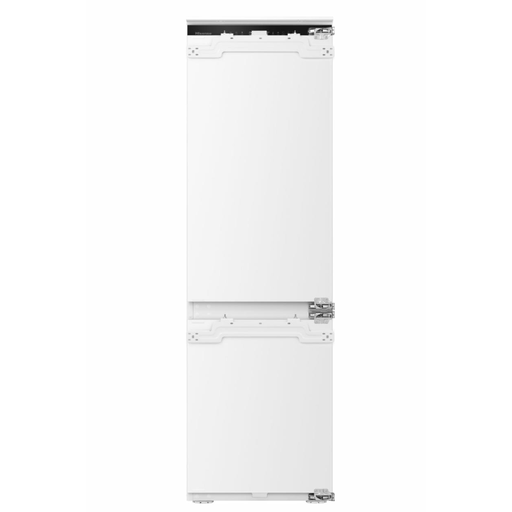 Image unavailable
Hisense RB3B250SAWC integrated fridge-freezer, 252 L
Worth considering if your kitchen needs an integrated appliance with a freezer compartment.
Stated total capacity: 252 L; No Frost; energy rating C.
Check the cabinet opening dimensions, ventilation and door mounting in the instructions. See the model’s energy label for its annual energy consumption.
View on Joybuy
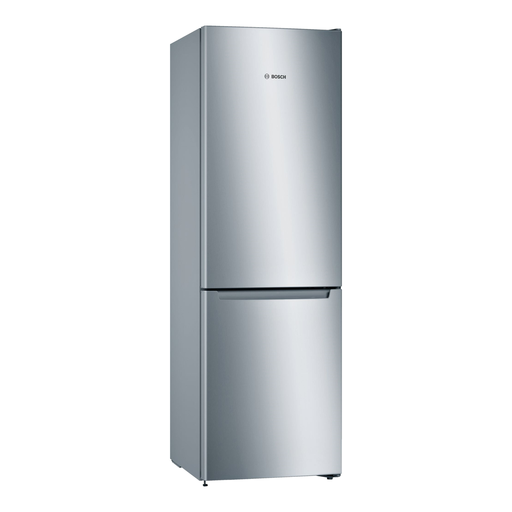 Image unavailable
Bosch KGN33NLEB fridge-freezer, 282 L, stainless steel finish
A fridge-freezer to consider if you want to store fresh and frozen food in a freestanding appliance.
Stated total capacity: 282 L; energy rating E.
Check the ventilation clearances and door opening direction for your chosen location. If noise matters, compare the model’s stated noise level.
View on Joybuy
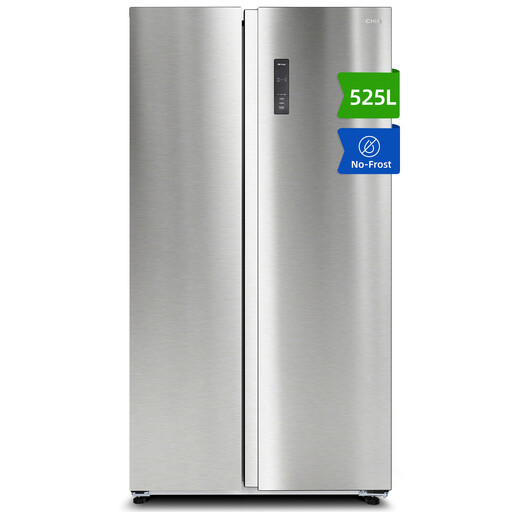 Image unavailable
CHiQ JR525WSE side-by-side fridge-freezer, 525 L, stainless steel finish
Worth considering if you’re looking for plenty of separate space for fresh and frozen food.
Stated capacities: 333 L for the fridge and 192 L for the freezer; No Frost; stated noise level of 37 dB; energy rating E.
This freestanding model requires you to check the dimensions and clearances before buying. Also check the energy label for its annual energy consumption.
View on Joybuy
Frequently asked questions
How can I estimate the capacity my household needs?
Use 100 to 150 litres for one person, then 50 litres for each additional person, as a rough starting point suggested by Que Choisir. If you shop less frequently or buy a lot of frozen food, adjust this guide and check the freezer capacity separately.
Is a freezer compartment enough if I often buy frozen food?
Not necessarily: its capacity and features depend on the model. If frozen food regularly takes up a significant part of your shop, compare the dedicated capacity and features of the compartment with those of a fridge-freezer with a separate freezer.
What should I measure for an integrated fridge?
Measure the height, width and depth of the cabinet opening, then compare them with the installation dimensions given in the model’s instructions. Also check the ventilation, door-panel mounting and door clearance: the appliance’s external dimensions alone aren’t enough to confirm that it will fit.
What should I compare on the energy label?
Compare the energy rating, stated annual energy consumption, capacity of each compartment and the specific model’s noise level. As ADEME recommends, use the label to guide your choice; ideally, compare appliances with similar capacities and installation types.


