Small kitchen
If space is tight, measure the area and check that the door can open. A compact appliance may mean shopping more often or having less room for groceries.


Start by working out how much space you need for fresh and frozen food, then measure the space available and how far the doors will open. Total capacity alone isn’t enough to distinguish between designs. A tabletop fridge takes up less room, a larder fridge prioritises chilled storage, a fridge-freezer keeps fresh and frozen food separate, and a multi-door model can suit larger shops if your kitchen has room for it to fit and its doors to open. For each model, check the dimensions and installation instructions in the exact model’s manual.
If space is tight, measure the area and check that the door can open. A compact appliance may mean shopping more often or having less room for groceries.
If your regular shopping includes both fresh and frozen food, compare the capacity of each compartment separately rather than relying on the total capacity.
If you mainly buy fresh food, choose chilled storage that suits your habits and check how much space is actually set aside for freezing.
| What matters | What to check before buying | Who it matters most to |
|---|---|---|
| Space, ventilation and door clearance | Measure the space and delivery route; check the manual for the clearances required and the door-opening direction for the model. | If your kitchen is narrow, you’ll want to make sure the appliance can be installed and opened without blocking the way. Around 31% of consumers prioritise the space it takes up. |
| Freezer capacity | Compare the litres allocated to the freezer separately from chilled capacity; also check the type of compartment. | If you often buy frozen food, you’ll want enough room for it without relying on the total capacity alone. Around 25% of consumers prioritise frozen food storage. |
| Fresh food storage | Check the chilled capacity, shelf layout and available space for your containers. | If most of your shopping is fresh food, you’ll want storage that suits the meals you make. Around 25% of consumers prioritise fresh food capacity. |
| Large shops and energy use | Check the capacity of each compartment and compare the kWh/year shown on the labels of the models you’re considering. | If you do a big shop, you’ll want plenty of capacity without overlooking the space available or the energy use of an appliance that runs continuously. Around 19% of consumers prioritise having plenty of storage. |
Que Choisir recommends taking your shopping habits, freezer needs and kitchen size into account. ADEME points out that fridges run continuously, so compare the energy use of models that meet your storage needs.
Two fridges with a similar total capacity can divide the space between chilled and frozen storage differently. For example, according to Beko’s product information, the Beko TSE1284N has 101 l for fresh food and a 13 l four-star freezer compartment.
Before choosing, compare the chilled and frozen capacities separately and consider what you usually buy.
Ventilation and door clearance vary by model. A feature advertised for one appliance doesn’t automatically apply to others.
Measure the space and check the manual for the exact model to confirm the necessary clearances and door swing.
ADEME says that a larger size and features you don’t need can increase the energy use of an appliance that runs continuously.
Compare the kWh/year of models that offer the capacity you need.
The TSE1284N is an example of a tabletop fridge suited to a compact kitchen.
The Ksfd1820 is an example of a larder fridge designed to prioritise chilled storage.
The KGV36VBEAS is an example of a fridge-freezer with separate compartments for fresh and frozen food.
The HCR79F18CHMB is an example of a multi-door fridge to consider if your kitchen can accommodate a wide appliance.
The RB5K330GSFC is an example of a fridge-freezer with front ventilation to consider when side clearance is limited.
This selection includes compact fridges, larder fridges, fridge-freezers and multi-door models, so you can compare formats based on the space available and the balance of fresh and frozen storage you’re looking for.
 Image unavailable
Worth considering if you’re looking for a fridge-freezer for shopping that includes both fresh and frozen food.
360 L; energy rating E; Total No Frost; Wi-Fi and My Zone.
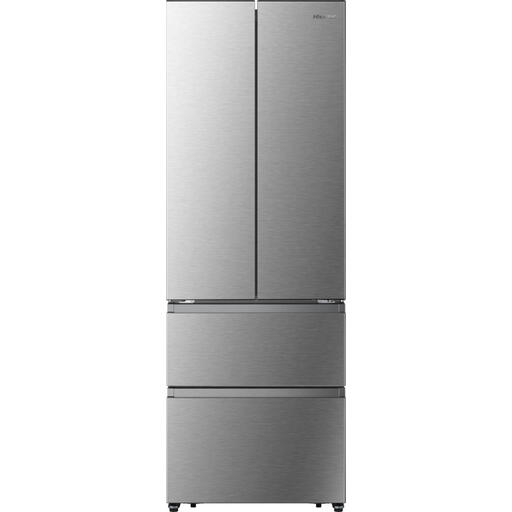 Image unavailable
Worth a look if you’re considering a multi-door model for larger shops. First, check the dimensions and make sure the doors can open in your kitchen.
485 L; energy rating E; Total No Frost; Multi Air Flow; water dispenser; 38 dB.
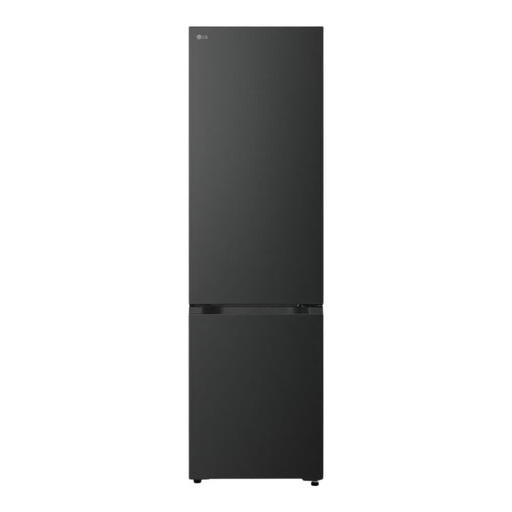 Image unavailable
Worth considering if you’re looking for a fridge-freezer with a bottom freezer for shopping that includes both fresh and frozen food.
375 L; energy rating C.
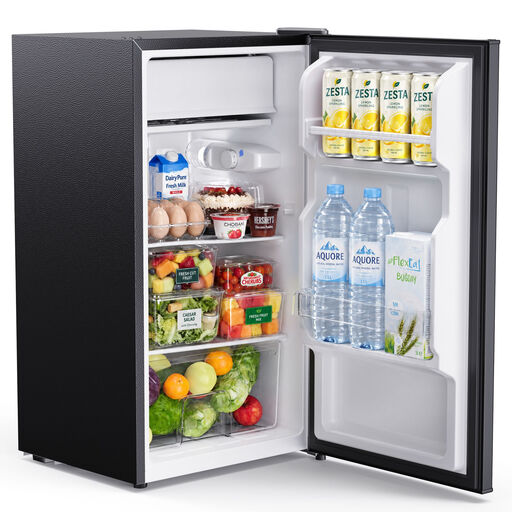 Image unavailable
Worth a look if you’re after a compact fridge; measure the space available before choosing.
85 L; adjustable thermostat from 0 to 12 ℃; interior light; salad drawer; 39 dB; reversible door.
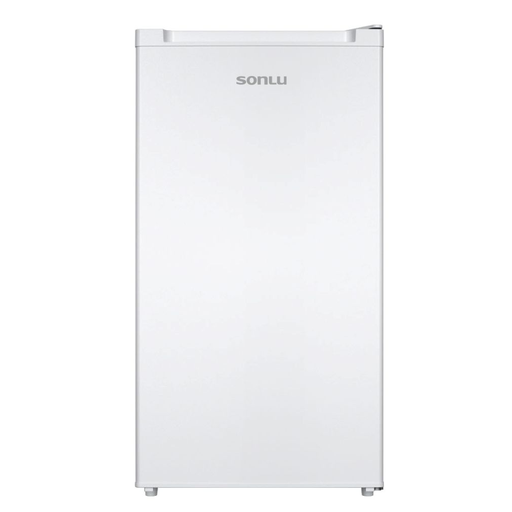 Image unavailable
Worth considering if you prioritise fresh food storage and don’t need a freezer compartment in this appliance.
82 L; energy rating E; no freezer compartment.
Compare chilled and frozen capacities separately, then check the kWh/year and noise level shown on the EU energy label. The European Commission explains that the label also gives the energy rating and storage capacities. Then check the dimensions and door clearance to make sure the fridge will suit your kitchen.
It depends on the model and how it’s installed. Bosch recommends allowing enough ventilation space for its fridge-freezers, while Hisense describes a specific design feature on the RB5K330GSFC. Check the manual for the exact model and make sure there’s enough room for the door to open before deciding where to place it.
Anses recommends a storage temperature between 0 and +4 °C at the coldest point in the fridge. Check your appliance’s actual temperature and arrange your food accordingly.
For eligible goods bought from a professional seller, the French Ministry of the Economy says the statutory guarantee of conformity applies, including to new, second-hand and refurbished goods; it gives a two-year period in which to make a claim. When a new appliance is sold, the “one-for-one” take-back scheme requires the retailer to take back an equivalent old appliance free of charge. Check with the seller for the practical arrangements for collection when your order is delivered.