Which criteria should you prioritise?
Work out how much space you need for fresh and frozen food before choosing a style: under-counter, a one-door fridge with a freezer compartment, a fridge freezer or a larger model. Then check the installation requirements and energy consumption of the model you’re considering.
| Criteria |
What to check |
Who is it for? |
| Fresh food capacity |
Compare the usable capacity in litres with the number of people in your household and how often you shop. |
If I shop frequently and have a small kitchen, I want enough room for fresh food without choosing an unnecessarily large appliance; around 25% of consumers prioritise a capacity that’s just right for them. |
| Balance of fresh and frozen storage |
Compare the separate capacities of the two compartments, rather than looking only at the total capacity. |
If I regularly buy both fresh and frozen food, I need room to store both between shopping trips; around 33% of consumers put this balance first. |
| Frozen food storage |
Check the freezer capacity in litres and how the compartment is organised; a small freezer compartment may not meet your needs. |
When I stock up on frozen food, freezer space matters more than the overall capacity; around 25% of consumers put this capacity first. |
| Large capacity and installation |
Measure the space and delivery access, then check the manual for ventilation requirements and the energy label for kWh/year. |
To store a big shop, I want more capacity, but the appliance also needs to fit in my kitchen; around 17% of consumers prioritise this need for more storage. |
Fridges to suit your storage needs
These appliances suit two different needs: having plenty of space for the household shop, or choosing a fridge freezer that divides storage between fresh and frozen food. Compare their capacities with your needs, then check the dimensions and manual before making a decision.
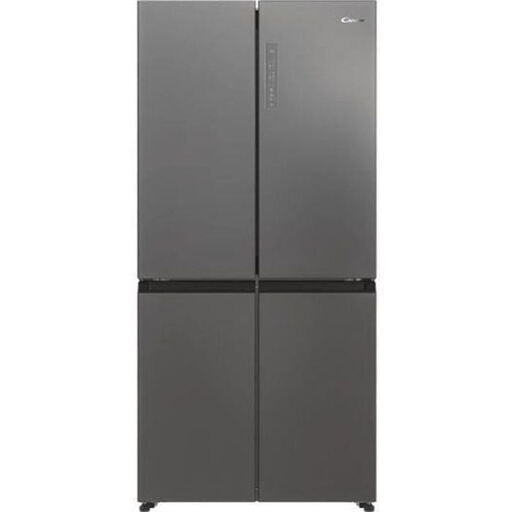 Image unavailable
Candy CFQQ5T817EPS, four-door, 467 L
Worth considering if your shopping calls for plenty of space for both fresh and frozen food.
Advertised capacity of 467 L, Total No Frost technology and energy rating E. Check the route into your kitchen and the clearance requirements in the manual.
View on Joybuy
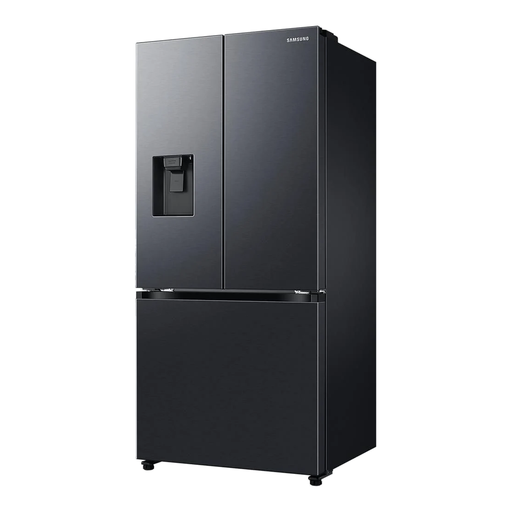 Image unavailable
Samsung RF50C530EB1 multi-door fridge, 495 L
Worth considering for a big shop if you have enough space for a multi-door model.
Advertised capacity of 495 L and energy rating E. Check the delivery route, door clearance and the distances specified in the manual.
View on Joybuy
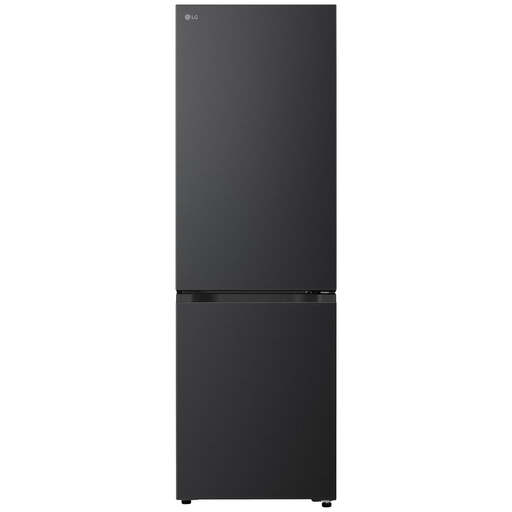 Image unavailable
LG GBBS312CEV fridge freezer, 333 L
A fridge freezer worth considering if you want space for both fresh and frozen food.
Advertised capacity of 333 L and energy rating C. Check the capacity of each compartment and the installation dimensions for this model.
View on Joybuy
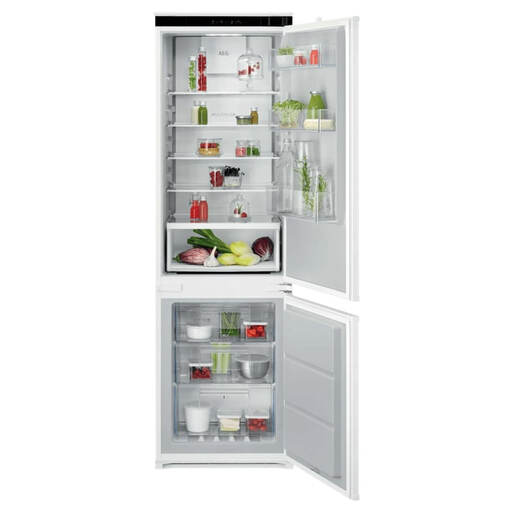 Image unavailable
AEG NSC6M18FES built-in fridge freezer, 249 L
Worth considering if you need fridge and freezer space in a unit designed for a built-in appliance.
Advertised capacity of 249 L, TwinTech No Frost technology and energy rating E. Check the housing dimensions, door fitting and annual energy consumption in the model’s documentation.
View on Joybuy
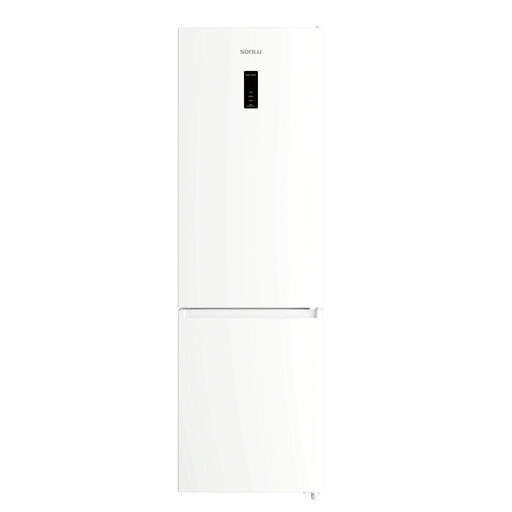 Image unavailable
Sonlu CD‑400RW fridge freezer, 355 L
Worth considering if you want to divide your shopping between a fridge compartment and a freezer for frozen food.
Advertised capacities of 252 L for the fridge and 103 L for the freezer; advertised width of 60 cm and energy rating E. Also check the height, depth, clearance requirements and delivery access.
View on Joybuy
Frequently asked questions
What should you compare on a fridge’s energy label?
Compare the energy rating, annual consumption in kWh, compartment capacities and noise level. According to the European Commission, these details appear on the energy label for refrigeration appliances. To choose between two models, pay particular attention to their energy consumption and compare appliances with a similar capacity and configuration.
Are a large fridge’s external dimensions enough to choose the right model?
No. You should also check delivery access, door clearance and the model’s ventilation requirements. For a built-in appliance, check the housing dimensions and installation requirements in the manual too.
What temperature should you aim for in your fridge?
Anses recommends a temperature of 0 to +4 °C at the coldest point. Check it regularly, for example with a thermometer, and avoid overfilling the appliance so that cold air can circulate.
What should you do if the fridge you receive doesn’t match its description?
In France, consumers can rely on the legal guarantee of conformity and contact the professional seller if an item doesn’t match what was sold. The DGCCRF explains that this mandatory guarantee covers new, second-hand and refurbished goods sold by a professional to a private individual. It is separate from a retailer’s returns policy for change-of-mind purchases.


