A brunch with hot dishes
If you’re making a quiche, eggs or a sauce, look for a cream with a texture and stated use that suit the recipe. If you’re buying it in advance, check how to store the unopened carton too.


For a quiche or brunch sauce you’re making ahead, choose UHT double cream whose label says it’s suitable for cooking. You can store the unopened carton according to the instructions on the packaging. For a thick topping or whipped cream, check the texture and intended use of the specific product: “30% fat” doesn’t guarantee that it can be whipped. Filtered milk is a different product and isn’t automatically a substitute for the cream your recipe calls for.
If you’re making a quiche, eggs or a sauce, look for a cream with a texture and stated use that suit the recipe. If you’re buying it in advance, check how to store the unopened carton too.
For pancakes or fruit, distinguish between thick cream for spooning on top and cream made for whipping. Elle & Vire, for example, says that one of its single creams isn’t suitable for making whipped cream.
If origin, additives or lactose matter to you, compare the labels of the specific products. Cream labelled “lactose-free” can still contain milk.
Choose it if: you’re buying ahead of brunch and want to keep an unopened carton at room temperature, where the packaging says this is suitable.
Bear in mind: storage instructions change once opened, and whether it’s suitable for whipping depends on the specific product.
Choose it if: your recipe specifically calls for crème fraîche or you want a thick texture for a cold topping.
Bear in mind: you’ll need to factor refrigeration into your brunch plans. A thick texture doesn’t necessarily mean it’s suitable for whipping.
| Criteria | What to check | Who is it for? |
|---|---|---|
| Texture and recipe | Whether it’s single, whipping or double cream; look for an explicit “whipping cream” or “suitable for whipping” label if you plan to whip it. | If I’m topping pancakes or whipping cream, I want a texture that’s right for that specific purpose. Around 36% of consumers prioritise choosing a cream that suits the recipe. |
| Storage | Instructions for before and after opening, including the temperature and timeframe stated on the carton. | If I buy the cream before Sunday, I need to be able to store it until brunch and use any leftovers as directed. Storage is the top priority for around 29% of consumers. |
| Ingredients and origin | The ingredients list, stated origin and organic label, if these factors influence your choice. | I want to compare two creams by checking their ingredients or origin, rather than relying on texture alone. Around 21% of consumers prioritise this information. |
| Lactose and allergens | Look for a “lactose-free” label, check the ingredients list and see whether milk is listed as an allergen. | If lactose or milk affects my choice, a claim on the front of the pack isn’t a substitute for checking the ingredients. This is the main concern for around 14% of consumers. |
These names don’t refer to the same product. Président distinguishes between crème fraîche and cream that’s been sterilised for a longer shelf life. The word “filtered” on its own doesn’t tell you which cream is right for brunch.
First check the name of the product and what the recipe calls for, then look at its texture and storage instructions.
Two UHT double creams with 30% fat can have different recommended uses. Elle & Vire specifically says its single cream from Condé-sur-Vire isn’t suitable for making whipped cream.
If you want to whip the cream, check that this use is stated for the specific product before you buy it.
Instructions vary: Auchan says one of its UHT creams keeps for five days in the fridge after opening, while an Elle & Vire cream product listing says three days.
Choose a pack size that suits the number of guests, and follow the instructions on your carton once it’s open.
Auchan’s lactose-free single cream contains cream from milk. So a lactose-free claim doesn’t mean the product is milk-free.
If you need to avoid milk, check the ingredients and allergens for the specific product you’re considering.
Président’s range includes crème fraîche as well as long-life single and whipping creams, including products with 25% or 30% fat, depending on the product.
Elle & Vire offers 30%-fat UHT whipping creams, including an organic option.
Carrefour Classic’ and Carrefour Extra include 30%-fat whipping creams.
Auchan offers 30%-fat UHT whipping creams, including organic and lactose-free options.
For a pancake brunch, this thick cream is an option for a sweet topping. Before using it instead of crème fraîche or UHT cream specified in a recipe, check the product name and the uses stated on the packaging.
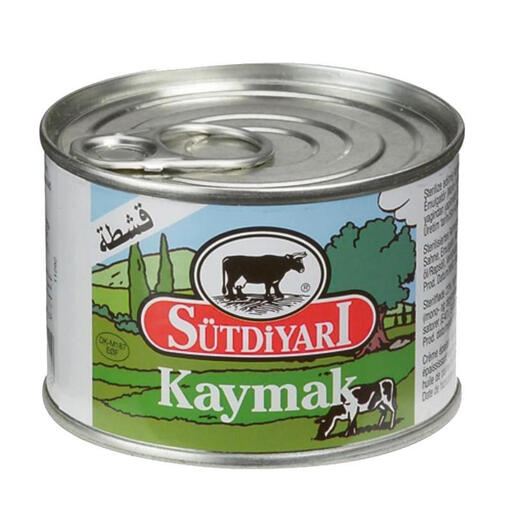 Image unavailable
Worth considering as a pancake topping for a sweet brunch. The tub contains 170 g and is labelled as having 23% fat. If you’re making whipped cream or a hot dish, check the intended use on the label. Also check the product name if your recipe calls for crème fraîche or UHT cream.
No. Président distinguishes between crème fraîche and cream that has been sterilised to give it a longer shelf life. If your recipe specifically calls for crème fraîche, check the product name rather than relying on the word “cream” alone.
Not necessarily. UHT whipping creams with 30% fat can have different recommended uses. For example, Elle & Vire says its single cream from Condé-sur-Vire isn’t suitable for making whipped cream. Look for an explicit whipping recommendation on the product you’re buying.
Follow the temperature and timeframe on your carton. An Auchan product listing says to keep one cream for five days between 0 °C and +6 °C after opening, while an Elle & Vire cream listing says three days in the fridge. Don’t apply these timeframes to a different product.
No. The Auchan lactose-free single cream mentioned here contains cream from milk. If you need to avoid milk, check the ingredients and allergens listed on the packaging separately.