People cooking the fillets on the day
You want to season and cook fresh fillets at home before your picnic. Plan to keep them chilled before cooking, then keep the meal cold until serving.


Choose fresh sardine fillets if you can keep them chilled, cook them through before you set off and keep the meal cold until serving. If you can’t do all that, ready-to-eat tinned sardines mean you won’t have to carry raw fish; compare the recipe, bones and storage instructions after opening. According to Anses, cooking does not destroy histamine that has already formed because of poor storage.
You want to season and cook fresh fillets at home before your picnic. Plan to keep them chilled before cooking, then keep the meal cold until serving.
If you want to fill a sandwich or top some toast without bringing raw fish, you can choose a ready-to-eat tin. The recipe and storage instructions after opening matter more than the word ‘fillet’ on the label alone.
You want to compare details such as the species, fishing area, fishing gear used and whether the fish has been defrosted. The DGCCRF sets out the information that must be provided to consumers for unprocessed fishery products sold in France.
Choose these if: you can cook the fillets at home on the day of your picnic and keep the meal cold until serving.
Bear in mind: raw fish needs to stay chilled throughout. According to Anses, histamine formed because of poor storage is not destroyed by cooking or freezing.
Choose these if: you want to make sandwiches or top some toast without cooking or carrying raw fish.
Compare: the oil, marinade, salt and bones vary by product. Once opened, a tin needs to be stored according to its own instructions.
For sardines to take on a picnic in the park, start with the preparation method you can realistically manage, then check the criteria specific to fresh or tinned fish.
| What to consider | What to check | Who this matters to |
|---|---|---|
| Keeping food chilled | For fresh fillets, take an insulated bag and keep them between 0 and 4 °C, in line with Anses advice. | If the journey and time in the park might warm up my meal, I need to be able to keep it cold or choose something other than fresh fish. Around 36% of consumers make this their top priority. |
| Preparing fresh fillets | Check that they are sold as fillets, that the quantity is right for you and that you can cook the fish through before setting off. | I want to cook and season fillets on the day rather than start with a whole sardine. This is the top priority for around 29% of consumers. |
| A meal that needs no cooking | Choose a ready-to-eat tin and read the storage instructions for after opening. | If I don’t have access to a kitchen to prepare my picnic, I’d rather have a filling I can add straight to my meal. Around 21% of consumers put this convenience first. |
| Recipe and traceability | For tinned sardines, check the ingredients and information about bones; for fresh fish, compare the information displayed with it. | I want to know what’s in the tin or where the fresh fish comes from. This is the top priority for around 14% of consumers. |
The word ‘fillet’ describes how the fish is presented, not how it is preserved. Fresh fillets need to be cooked and kept chilled; with ready-to-eat tinned fillets, it’s the recipe and ingredients that matter most.
First decide whether you’ll cook before setting off, then compare products that suit that use.
According to Anses, histamine can form in certain species, including sardines, if they are stored poorly. It is not destroyed by cooking or freezing.
Buy fresh fillets last and keep them chilled. If you can’t store them this way, choose a sealed tin instead.
Sardines in oil, in a marinade or prepared in water may contain different ingredients. Whether the skin or bones are present also depends on the product.
Read the exact label: check the ingredients, salt, drained weight and any information about bones if that matters to the people you’re serving.
The retailer sells fresh sardine fillets and tinned sardines under its own brand. Check the product and store before planning your meal.
The brand offers several recipes for tinned sardine fillets, ideal for a meal that needs no cooking.
Connétable’s tinned range includes sardines in a variety of formats and recipes.
These tinned sardines are suited to a picnic that needs no cooking. If you’re preparing fresh fillets on the day, keep cooking them before setting off and keeping them cold until the meal as separate criteria. Also check the exact format of the tins if you’re specifically looking for fillets.
 Image unavailable
A tin to consider for topping bread at the park without cooking. Check the format if you’re specifically looking for fillets or a boneless option.
 Image unavailable
A seasoned recipe for a meal that needs no cooking, if everyone enjoys a little chilli. Check the label to see whether the sardines are fillets and whether they contain bones.
 Image unavailable
Sardines in water for a meal that needs no cooking. If boneless is important to you, check the wording on the tin: removing the backbone does not in itself mean that every other bone has been removed.
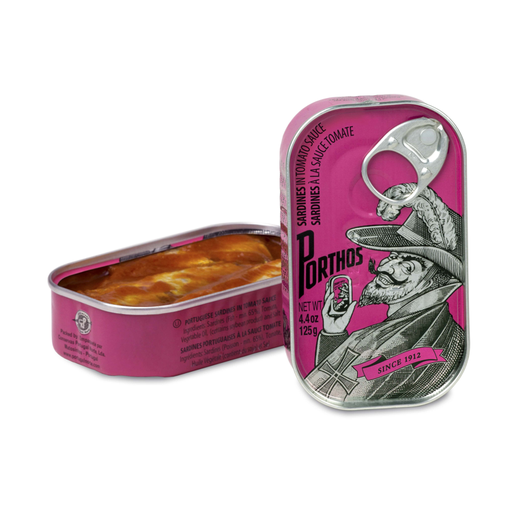 Image unavailable
Sardines in tomato to consider for a sandwich or toast topping that needs no cooking. If you’re looking for fillets or want to avoid bones, check the format on the packaging.
 Image unavailable
Another extra virgin olive oil option for a meal that needs no cooking, in a different size from the 135 g tin. If you’re looking for fillets or want to avoid bones, check the details for this product.
Carry the fresh fillets in an insulated bag and keep them chilled. Anses recommends storing fresh fish between 0 and 4 °C, so only choose this option if you can keep the fillets at this temperature before cooking and keep the meal cold until serving.
Preparing them the day before means keeping the fresh fish chilled before cooking, then keeping the cooked dish chilled until the meal. Anses recommends cooking fresh fish through. If you can’t keep the meal cold during the journey and at the park, choose a sealed tin instead.
For unprocessed fishery products sold in France, the DGCCRF says consumers should be able to find details including the commercial name, scientific name, production method, fishing area, category of fishing gear used and whether the fish has been defrosted. Check the information displayed at the fish counter or on the pack label to compare products.