Plain fresh pasta can work well for a hotel breakfast if your kitchen can store it correctly and cook it close to serving time. It also gives you the flexibility to put together a small plate with a topping of your choice. For filled pasta or gnocchi, check the ingredients in the recipe you plan to serve. A dried option suits a different way of working and is not a like-for-like substitute for fresh pasta. In every case, plan your portions, check the use-by date where applicable, and provide allergen information for the dish on display.
Which hotels are these options for?
The right type of pasta depends as much on how breakfast is served as on the recipe itself. Made-to-order cooking, a buffet and an offer for guests with a range of dietary needs all call for different checks.
Hotels with a busy breakfast service
When the team is short on time, choose a format that fits the steps involved in each top-up: cooking, pan-frying or assembling. Fresh pasta cooked close to serving time requires a different set-up from a dried product that can be stored before preparation.
Hotels welcoming guests with a range of dietary needs
These hotels need to identify the ingredients and allergens in each recipe, then clearly link that information to the dish on display. An option labelled gluten-free also requires a process that prevents ingredients from being mixed during preparation and service.
Hotels serving a small, savoury hot dish
Tagliatelle, gnocchi or filled pasta can provide the starting point for this kind of offer. However, their suitability depends on the portions guests actually request, how the chosen product needs to be prepared and how much space is available during service.
What should guide your choice?
Start by choosing the type of dish your kitchen can prepare and replenish. Then check the storage requirements, ingredients and pack size of each product.
Plain fresh pasta
Consider it: as a base to top when the kitchen can cook and serve small quantities close to where guests are being served.
Plan for: following the storage instructions and use-by date for the product you buy.
Filled pasta and gnocchi
Consider them: for a set hot dish planned in advance, rather than a base with a topping that changes according to demand.
Plan for: checking the ingredients in the exact recipe, particularly for filled pasta.
Dried alternatives
Consider them: if your set-up favours a dried product that cooks quickly, or you’re looking for a product specifically labelled gluten-free.
Plan for: these two features don’t necessarily go together. Check the product you choose and don’t present it as fresh pasta.
| Priority |
What to check |
Who it matters to |
| Storing fresh products |
Storage temperature shown on the packaging and use-by date; how much to take out for each service. |
If I serve fresh pasta, I need to be able to store and prepare it without losing control of the product. Around 33% of consumers concerned would put this precaution first. |
| Preparation time |
Cooking method and time shown for the product; whether small quantities can be replenished. |
When several guests arrive at once, I look for a preparation method the team can repeat without slowing down service. This would be the priority for around 27% of consumers concerned. |
| Ingredients and allergens |
The ingredients in each product and its toppings; clear information that is unambiguously linked to the dish being served. |
If guests have different dietary needs, I need to be able to tell them exactly what each plate contains. Around 20% of consumers concerned would put this clarity first. |
| Portions and leftovers |
Pack weight, suggested portions and the quantity actually served at each sitting. |
When guest numbers vary, I’d rather open an amount that suits demand than leave portions unused. Around 20% of consumers concerned would make this their main priority. |
What service pitfalls should you avoid?
-
Assuming a fresh product is suitable for extended display
Chilled fresh pasta needs to be stored correctly, and a cooked dish needs its own service arrangements. For food classed as highly perishable and sold directly or served in a catering setting, the DGCCRF specifies a maximum storage temperature of 4 °C. This condition alone does not set how long a hot dish can be displayed on a buffet.
Check the manufacturer’s instructions and the use-by date when the product arrives. Then plan preparation and top-ups in line with your establishment’s food hygiene plan.
Opening more product than you need can leave leftovers and add extra checks to manage.
-
Assuming a filled recipe suits every guest
The filling, sauce and toppings can all change which ingredients need to be declared. For non-prepacked food, Légifrance requires allergen information to appear on or near the food, with no ambiguity about which dish it refers to.
Check the ingredients in the exact product and link the information to the dish actually being served, including its accompaniments.
-
Choosing a large pack without planning portions
A larger pack is only useful for service if the amount opened matches demand and can be used in accordance with the product’s storage requirements.
Compare the weight and suggested portions of each product, then plan how much to prepare for each breakfast sitting.
-
Treating a dried gluten-free option as fresh pasta
A dried product labelled gluten-free is a different choice. Its label doesn’t describe fresh pasta or explain how it will be prepared alongside other dishes.
Check the ingredients and instructions for the product you buy, then organise preparation and service to prevent it coming into contact with products containing gluten.
Brands to consider
These ranges offer formats to compare for breakfast. Your final choice should be based on the exact product and how it needs to be prepared.
Panzani
Panzani offers fresh pasta, including tagliatelle and girasoli, as well as gnocchi for pan-frying and a dried pasta range called “Les 3 Minutes”.
- Lets you compare a fresh range with dried pasta advertised as cooking quickly.
- Check the preparation method and storage requirements for each product. The fresh range isn’t specifically designed for hotel breakfasts.
Barilla
Barilla offers a gluten-free dried pasta range made with white maize, yellow maize and rice.
- Worth considering if you’re looking for a product specifically labelled gluten-free.
- Don’t describe this dried range as equivalent to fresh pasta. Check the packaging and how it will fit into your service.
Carrefour
Carrefour’s fresh pasta range includes egg tagliatelle.
- Compare plain and filled products based on their recipes and available pack sizes.
- Check which products are available at your chosen shop and review their storage instructions.
Leclerc
E.Leclerc’s Marque Repère selection includes Turini fresh tagliatelle.
- The pack size shown helps you work out how much to allow for service.
- Check the exact product and its instructions with your chosen shop.
Auchan
Auchan’s range includes fresh tagliatelle in a 600 g pack, stated to serve six.
- The weight and suggested number of portions give you a starting point for planning a trial service.
- A suggested portion size doesn’t replace calculating the quantities actually served at your establishment.
A dried option on Joybuy
These rice vermicelli are a dried option for breakfast, rather than a fresh pasta choice. Check the product and its label before adding it to your buffet.
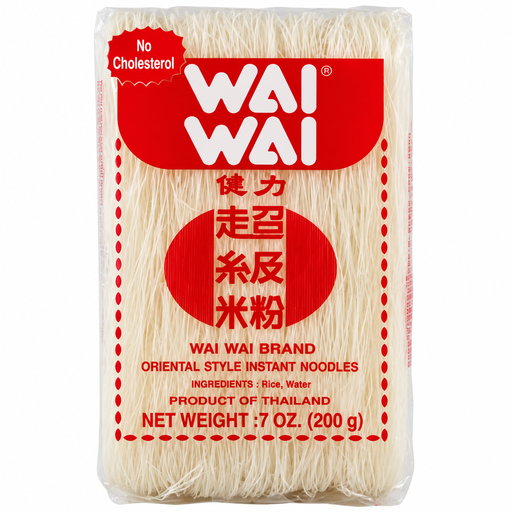 Image unavailable
Wai Wai Rice Vermicelli 200 g
Worth considering if the menu calls for a dried option rather than fresh pasta.
200 g pack. Before service, check the ingredients, allergens and preparation instructions on the packaging of the product you buy.
View on Joybuy
Frequently asked questions
Can fresh pasta be left on a buffet without any special checks?
No. Follow the manufacturer’s storage instructions before preparation and include the display of cooked dishes in your establishment’s food hygiene plan. The 4 °C limit specified by the DGCCRF applies to the storage of food classed as highly perishable in the circumstances it describes. It does not set an approved display time for a buffet.
Can fresh pasta be used after its use-by date if the packaging is intact?
No, if the product has a use-by date. Anses states that a packaged fresh food with a use-by date must not be eaten after the date shown, even if the packaging appears intact.
How should you provide allergen information for a pasta dish on a buffet?
For a non-prepacked dish, display allergen information on or near the food so that it’s clear which dish it refers to, in accordance with the provisions set out by Légifrance. Check the pasta as well as the filling, sauce and toppings actually being served.
Can a dried gluten-free option replace fresh pasta?
No, it’s a different type of product. Barilla offers a gluten-free dried range made with maize and rice. Before serving it on a buffet, check the label of the product you buy and organise its preparation to prevent it coming into contact with products containing gluten.


