What should you compare?
Start by comparing fat per 100 g. Then choose between plain and filled pasta based on the ingredients and how you plan to put your meal together.
| Criteria |
What to check |
Who is it for? |
| Fat |
Compare the “fat” line per 100 g for each product and check its ingredients. |
If I’m mainly looking for the lowest-fat product among the ones I’m considering, I need to compare them on the same basis. Around 36% of consumers concerned would put this criterion first. |
| Plain or filled |
Check whether the pasta has a filling and compare the nutritional values for that specific variety, rather than relying on the format alone. |
If I want a meal with the filling already included, I could consider filled pasta, as long as I’m prepared to compare the recipes. This convenience would come first for around 29% of consumers concerned. |
| Seasoning |
With plain pasta, also consider the sauce, cheese or oil you plan to add. |
When I put the dish together myself, I want to choose what goes with the pasta. Having control over the seasoning would be the priority for around 21% of consumers concerned. |
| Allergens and storage |
Read the allergen and storage information on the packaging of the product you choose. |
If certain ingredients are a problem for me, or I need to transport the product before refrigerating it, these checks come before comparing nutritional values. They would take priority for around 14% of consumers concerned. |
A fresh noodle option on Joybuy
This selection features fresh udon noodles to consider if you’d like to compare a different type of noodle. Udon aren’t fresh tagliatelle or fettuccine, so check their own nutritional information and choose an accompaniment to suit.
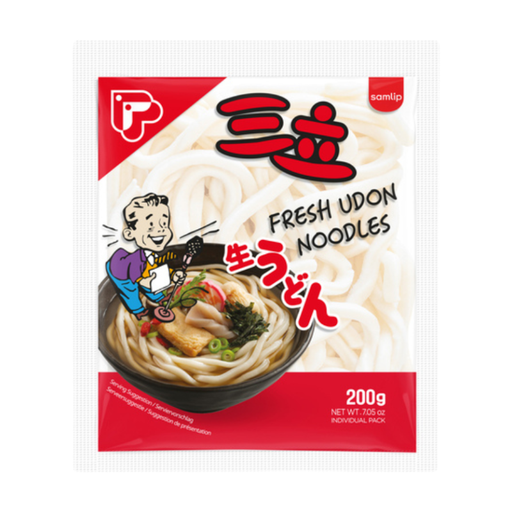 Image unavailable
Samlip Fresh Udon Noodles, 200 g
These fresh udon noodles could appeal if you’re looking for an alternative to classic fresh pasta. The pack contains 200 g. To compare them against your chosen criteria, check the fat per 100 g, ingredients and storage instructions on the packaging.
View on Joybuy
Frequently asked questions
How do you compare two fresh pasta products?
Compare their fat content per 100 g, then look at the ingredients and the seasoning you plan to use. The Directorate-General for Competition Policy, Consumer Affairs and Fraud Control (DGCCRF) states that prepacked foods carry a nutrition declaration, which is useful for comparing products on a like-for-like basis.
Does plain fresh pasta always contain less fat than filled pasta?
No, that isn’t true of every recipe. In the Carrefour product information considered here, Lustucru plain fettuccine contains 2.7 g of fat per 100 g, compared with 6.9 g, 7.2 g and 7.3 g for three filled varieties from the same brand. So compare the specific products you’re interested in.
Which allergens should you look for in fresh pasta?
Check the allergens listed on each pack, as they depend on the pasta and its filling. The examples considered include wheat and eggs; some filled recipes also contain dairy ingredients.
How should you store chilled fresh pasta?
Keep it chilled according to the instructions on the packaging and observe the date shown. Check the instructions for the pack you’ve bought, particularly if you need to transport it before putting it away.
Is Nutri-Score enough to choose pasta based on fat content?
No. If fat content is what you’re comparing, check the amount per 100 g in the nutrition information. You can also look at the saturated fat line if that distinction matters to you.


