
Same-day & Next-day Delivery

Quality Guaranteed

Unlock Your Welcome Offers: FREE Delivery | Up to 80% OFF | Free 30-day JoyPlus trial
Download the APP
Buying fresh drinks and everyday food products online may seem straightforward. However, formats, ingredients and storage requirements can vary widely. A fruity drink may contain very little juice, a water ice lolly may take up valuable freezer space, and a product marketed as convenient may prove cumbersome in everyday use.
To avoid disappointment, check three things before ordering: the ingredients, the format suited to your household and the storage requirements. This approach makes it easier to compare drinks, sweet snacks, frozen desserts and everyday accessories.
Descriptions such as “mango and passion fruit”, “peach” or “ginger” often refer to the flavour profile. They do not necessarily guarantee a high fruit content. Check the ingredients list and, where available, the percentage of juice, purée or concentrate.
For example, Jardin Cafe Real Peach iced tea contains 0.4% peach concentrate and 0.4% peach juice. It is therefore a peach-flavoured drink with a clearly stated fruit content, rather than a fruit juice.
A small container may give the impression that it is not particularly sugary, while nutritional values are generally stated per 100 ml or 100 g. When comparing two drinks multipacks, look at both the amount of sugars per 100 ml and the total volume.
JOMO organic mango and lemon lemonade contains 14 kcal and 3.3 g of sugars per 100 ml. By comparison, a POP POLO water ice lolly contains between 22 and 24 g of sugars per 100 g, depending on the flavour. These figures alone are not enough to make a decision, but they do allow you to compare products objectively.
Chilled and frozen products should not be stored in the same way. Water ice lollies, frozen mochi, frozen biscuits and other frozen desserts must be kept at –18 °C, in line with the instructions on the packaging. A break in the cold chain can affect their texture and quality.
For drinks, also check that you have enough space in the fridge once the bottle or can has been opened. Unopened containers can often be stored in a cool, dry place. Once opened, a drink should generally be refrigerated and consumed quickly.
The ingredients list deserves your full attention, particularly if you have an allergy or follow a specific diet. Look out especially for milk, soya, nuts, gluten, sulphites or peanuts. Frozen mochi can contain several allergens in a single recipe: La Compagnie du Mochi Dubai-style pistachio mochi, for example, lists soya, nuts, milk and gluten.
Claims such as “organic”, “vegan” or “preservative-free” should be confirmed on the product page and packaging. JOMO mango and lemon lemonade is described as made from organically farmed ingredients, vegan and preservative-free. When your order arrives, always check the labelling: this is the authoritative source for regulatory information.
A pack of 24 × 33 cl cans is better suited to a large family, a meeting or a household with plenty of storage space than to someone who only occasionally drinks chilled beverages. Conversely, a 230 ml format or a 35 cl bottle helps to limit waste when the drink is intended for individual consumption.
Compare the price per litre or kilogram, then consider the number of portions. A pack of 10 × 70 g water ice lollies provides individual portions, while a box of six frozen mochi is better suited to occasional sharing and is easier to store.
For coffee and cold-drink glasses, the material affects durability, care and ease of use. The 350 ml double-walled glasses are made from borosilicate glass and, according to the product page, can be used in the dishwasher and microwave. Although they are highly resistant to temperature changes, avoid exposing them to sudden, extreme changes in temperature.
For accessories designed to store breast milk, capacity, leak resistance, reusability and cleaning method are all crucial. The Medela kit includes 150 ml bottles, single-use bags, a reusable pouch, an insulated bag with a cooling pack and a microwave cleaning bag. Follow the recommendations for storing breast milk and never heat milk in its bag in the microwave.
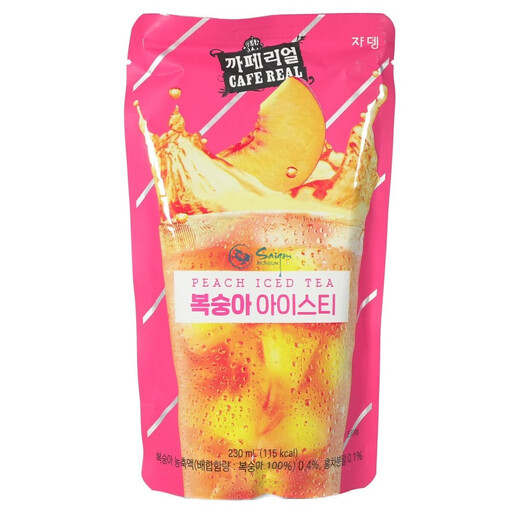
Why this product suits this profile: Its individual 230 ml format is ideal for a break at work or drinking on the go, without having to open a large bottle.
The product page specifies the volume, ingredients and nutritional values, making it easy to compare with other iced teas.
A ready-to-drink format, with no allergens declared on the product page, containing 50 kcal and 11.3 g of sugars per 100 ml.
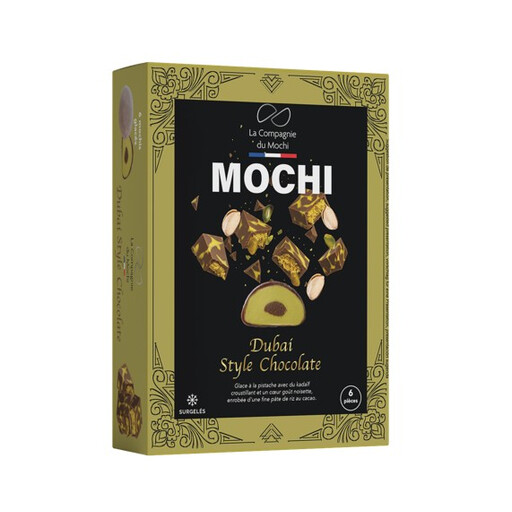
Why this product suits this profile: With its rice dough, pistachio, chocolate and kataifi pieces, this dessert is designed for fans of sophisticated textures and original recipes to share.
The ingredients and allergens are listed in detail, rather than the product being described only by its flavours.
A box of six pieces, with a net weight of 198 g, to be stored at –18 °C.
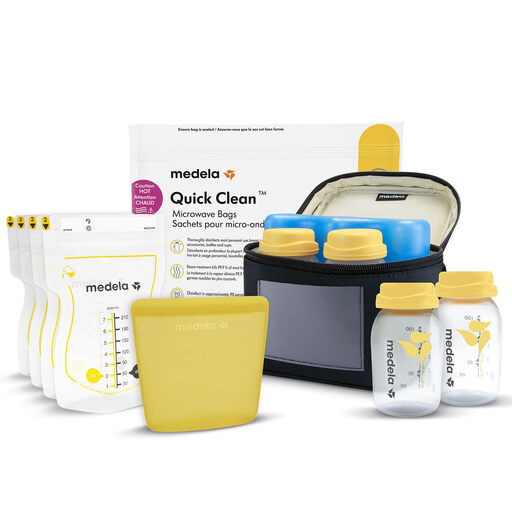
Why this product suits this profile: This kit brings together several useful accessories for parents who regularly store breast milk, both at home and when out and about.
The contents are clearly detailed: bottles, single-use bags, a reusable pouch, an insulated bag and a cooling pack.
150 ml BPA-free bottles, suitable for use in the dishwasher and microwave according to the product page.
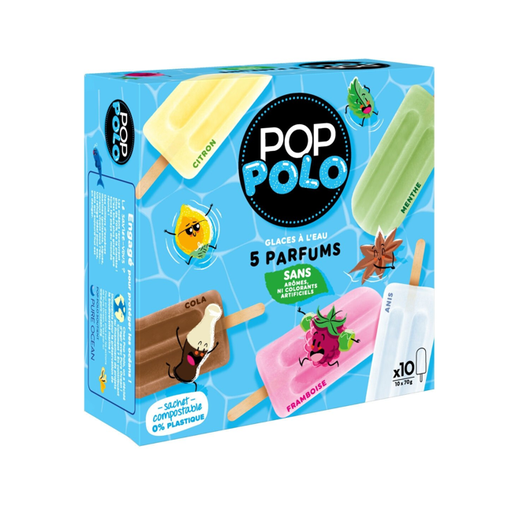
Why this product suits this profile: Individual portions and five flavours make serving easy at a children’s party, barbecue or family outing.
The total weight, number of lollies and flavours are specified, helping you plan portions and the freezer space required.
A pack of 10 × 70 g, with no allergens declared, to be kept in the freezer at –18 °C before opening.
We have compiled a complete, real-time updated list of products that meet these strict selection criteria and European safety requirements.
Estimate how much you drink each week and check the storage space available. A pack of 24 × 33 cl is suitable for sharing, while 35 cl bottles or 230 ml formats are easier to hand out individually. Also remember to compare the price per litre and the sugar content per 100 ml.
It depends on the information shown on the label. Several product pages recommend refrigerating the drink once opened and consuming it within two to three days. Close the container carefully and avoid leaving an opened drink at room temperature for too long.
Check the storage temperature, the condition of the packaging on delivery, the allergens and the instructions to follow after defrosting. A defrosted product should generally not be refrozen. For mochi, also consider its chewy texture and any age recommendations shown on the packaging.