Who is this a good choice for?

Parents of children who dislike strong flavours

If garlic, herbs or highly flavoured recipes are off the menu, a small plain pot is a simple place to start. Auchan and Carrefour, for example, offer plain varieties in individual 60 g pots, although every child has their own preferences.

Families preparing lunchboxes

Individual pots mean you don’t have to portion out a large container while preparing lunch. If the product needs to be kept in the fridge, you’ll also need to plan how it’s transported and stored until lunchtime, following the pack instructions. Anses stresses the importance of maintaining the cold chain.

Parents of a child with an allergy or an individual care plan

The ingredients and allergens in the specific product you buy matter, even if you know the brand well. According to France’s Ministry of National Education, an individual care plan (PAI) can set out dietary adjustments at school and arrangements for meals brought in by the family.

What should you look for first?

When choosing for a fussy child, start with what matters most to your family, then check the storage instructions and the label on the product you’ve chosen.

What to consider What to check Who it’s for
Individual portions Number of pots, weight of each pot and storage instructions until lunchtime. When I’m making a lunchbox, I’d rather pop in a sealed pot than portion out a larger pack. Around 38% of consumers say a ready-to-pack portion is their top priority.
Flavour and texture Plain or flavoured recipe; the texture stated for the product you’re considering. If my child dislikes strong flavours, I look for a recipe they already enjoy or one with a familiar flavour profile. Around 31% of consumers would put flavour and texture first.
Allergens and school meals Ingredients and allergens on the pack you buy; any arrangements set out in an individual care plan (PAI). If my child has an allergy or a school meal plan, I need to know whether this specific product meets the requirements. Around 23% of consumers would make this their main priority.
Ingredients Ingredients list and the “of which sugars” figure per 100 g, particularly when comparing plain and fruit varieties. If my child likes several flavours, I want to compare what’s in them as well as the number of pots. Around 8% of consumers would put ingredients first.

Common mix-ups to avoid

  • Mistaking a large pot for a multipack

    The 150 g and 500 g Philadelphia tubs listed by Carrefour and Courses U, like the 250 g pot of Galbani ricotta, don’t provide sealed individual portions.

    For a lunchbox, check the number of pots and the weight of each one first. Choose a larger format for occasions when you can portion it out and store it according to the label.

    Portioning out a large pot means using a suitable container and doing some extra preparation.

  • Assuming a fruit variety is the same as a plain one

    Pots in the same format can contain different recipes. The Auchan product listing for the NOVA fruit selection includes sugar in the ingredients, so you can’t compare the contents by format alone.

    If your child prefers fruit, compare the ingredients list and sugars per 100 g on each pack. Two pots of the same size aren’t necessarily equivalent.

  • Relying on the brand instead of checking the product’s allergens

    The fresh cheese products and spreadable cheese varieties described here contain milk. Bel Foodservice France also notes that the Boursin Ail & Fines Herbes variety may contain nuts.

    Check the label on the exact product every time you buy it. If your child has an individual care plan (PAI), follow its instructions and the school’s arrangements for meals.

  • Preparing a lunchbox without planning how to keep it chilled

    For products that need to be refrigerated, the time between leaving home and lunchtime matters too. Anses points out that low temperatures slow the growth of micro-organisms.

    Check the storage instructions before and after opening, the relevant use-by date, and how the product will be transported and stored at school.

Brands to know, by format

Auchan

Auchan offers small plain fresh cheese pots in a 6 × 60 g pack, as well as a plain organic variety in a 12 × 60 g pack. Both have individual pots to compare for lunchboxes.

  • Choosing between six and twelve pots lets you match the number of portions to the meals you’re planning.
  • These products contain milk; check their storage instructions and use-by dates too.

Carrefour

Carrefour Bio offers plain fresh cheese in six 60 g pots, a useful format when individual portions are your priority.

  • Carrefour’s product listing says this variety is made with organic pasteurised semi-skimmed milk and live cultures.
  • It contains milk, so if your child has an allergy, the format doesn’t replace checking the label and following the relevant instructions.

Philadelphia

The Philadelphia spreadable cheeses listed by Carrefour and Courses U come in 150 g and 500 g tubs, making them a different option from small individual pots.

  • This format can work well when you’re making sandwiches or portioning it out at home.
  • These tubs aren’t multipacks of sealed individual pots, and their ingredients include milk and cream.

Boursin

The Boursin Ail & Fines Herbes product described by Bel Foodservice France is a flavoured spread, not a small pot of plain fresh cheese.

  • Its garlic and fine herb flavour is a separate consideration if your child enjoys these tastes.
  • It contains milk and may contain nuts, so don’t swap it for a plain pot based on the format alone.

Galbani

The Galbani ricotta listed in a 250 g pot is better suited to family cooking than to anyone looking for small, sealed pots.

  • It offers a different texture to try in dishes served at home, if your child likes it.
  • This ricotta isn’t an individual multipack, and its ingredients include milk whey.

A product to consider on Joybuy

This plain fromage frais comes in individual pots, making it an option if you’re looking for portioned servings. However, its 90 g pots and age recommendation set it apart from the examples of plain fresh cheese in 60 g pots. Check the storage instructions before packing it in a lunchbox.
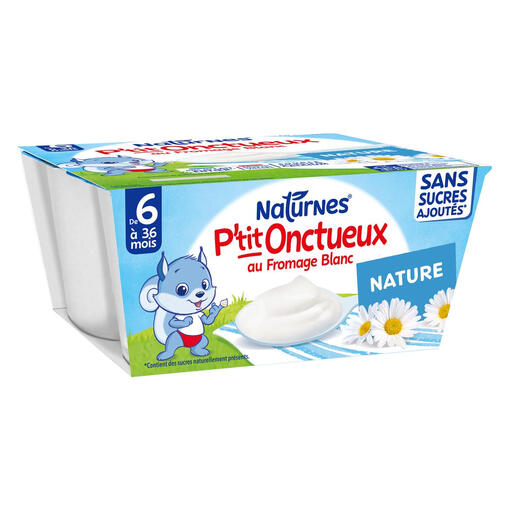
Nestlé P'Tit Smooth, plain fromage frais, four 90 g pots

Nestlé P'Tit Smooth, plain fromage frais, from 6 months, 4 × 90 g

This plain fromage frais in individual pots may suit you if you’re looking for separate portions and the product is appropriate for your child’s age. Each pot contains 90 g, compared with 60 g for the examples of small plain fresh cheese pots above. Check that this serving size is right for the meal you have planned.

If your child has an allergy or an individual care plan (PAI), check the ingredients on the exact pack and follow medical and school guidance. Also check the storage instructions before and after opening, as well as the arrangements for meals brought to school.

View on Joybuy

Frequently asked questions

Can you put a pot of fresh cheese in a school lunchbox?

Yes, as long as you can follow the product’s storage instructions until lunchtime and the school allows meals brought from home. If the product needs to be refrigerated, plan how you’ll transport and store it: Anses advises keeping the cold chain intact.

How can you check for milk or other allergens?

Read the ingredients list and allergen information on the pack you’re buying, rather than relying on another variety from the same brand. In France, the DGCCRF reminds consumers that allergens in prepacked foods must be highlighted in the ingredients list.

What should I do if my child has an individual care plan (PAI) for a food allergy?

Before choosing a product for school, follow the dietary adjustments and meal arrangements set out in your child’s individual care plan (PAI). According to France’s Ministry of National Education, this document can cover a special diet and, where applicable, a meal brought in under the family’s responsibility.

Should you choose plain or fruit pots?

Choose a flavour your child likes, then compare the ingredients in the products you’re considering. For two multipacks in the same format, the ingredients list and sugars per 100 g can help you tell a plain variety from a fruit one, without assuming they’re the same.