Hosts making pasta and antipasti
For a filling, sauce, bruschette or dessert, the cheese’s role in the recipe matters more than whether it’s easy to spread.


For a filling, sauce or dessert, choose ricotta. For toast, opt for a spreadable cheese: go for plain if you want to season it yourself, or flavoured if it already suits the menu. Ricotta isn’t the right choice if you’re after a stretchy or golden, bubbling finish. To work out how much you need, use your recipes, the number of guests and the net weight shown on the tubs, rather than relying on labels such as “4 pint” or “2-litre bottle”.
For a filling, sauce, bruschette or dessert, the cheese’s role in the recipe matters more than whether it’s easy to spread.
With bread, crackers or vegetables, a plain base lets you choose the seasoning, while a flavoured version brings its own distinct taste.
When you’re sharing dishes with guests, it’s worth checking the ingredients, allergens, storage instructions and use-by date on every product you buy.
| What to consider | What to check | Who is it for? |
|---|---|---|
| How you’ll use it in the recipe | Check the type of cheese and its intended use: a filling or sauce is one thing, while a stretchy or golden, bubbling finish is another. | For stuffed pasta or a sauce, I look for a cheese that works as a filling rather than one that melts into stretchy strands. Around 40% of consumers prioritise this kind of cooking use. |
| Flavour for nibbles | Choose between a plain spread to season yourself and a version that already includes garlic and herbs. | If I’m making toast in a hurry, I want to know whether the cheese’s seasoning will go with the rest of the menu. For around 30% of consumers, nibbles are the priority. |
| Ingredients | Read the ingredients and allergen information; compare nutritional values on a like-for-like basis, particularly per 100 g. | When I’m using the cheese in several dishes, I prefer to check the ingredients before choosing. Around 20% of consumers make reading the label a priority. |
| Quantity and storage | Work out how much you need based on your recipes and the number of guests, then check the net weight, use-by date and instructions for storing it after opening. | I want to have enough cheese for the evening without being left with a tub that’s too large for my needs. Getting the quantity right is the main concern for around 10% of consumers. |
A creamy filling and a topping that stretches when cooked call for different cheeses. Galbani distinguishes between these uses for ricotta and mozzarella.
Choose ricotta for a filling or sauce. If a stretchy or golden, bubbling finish is essential, opt for mozzarella.
Garlic and herbs in a spread bring their own flavour, which can overpower the other ingredients.
Choose a plain base if you want to control the seasoning yourself. Go for a flavoured version when that taste is already part of the menu.
Information varies by product. The Carrefour listing for 250 g of Boursin Garlic & Fine Herbs notes that it may contain traces of nuts.
Read the label on the product you actually buy, especially if one of your guests has an allergy.
Buying more than your recipes need can leave you with leftovers. For products with a use-by date, Anses advises that you should not eat them after the date shown.
Work out how much you need based on your recipes and the number of guests, then check the net weight, use-by date and storage instructions.
Galbani presents its 250 g Ricotta as suitable for savoury or sweet dishes, whether cooked or served uncooked.
The Garlic & Fine Herbs options mentioned include a 250 g spreadable cheese and a 240 g version for cooking.
Philadelphia Original in a 150 g tub is a spreadable fresh cheese that you can use as an unflavoured base.
The 250 g tub of Carrefour Classic’ ricotta is another option to consider for a savoury or sweet dish.
This 200 g tub of chilli ricotta cream suits spreading or adding to pasta when its spicy flavour works with your menu; it isn’t plain ricotta.
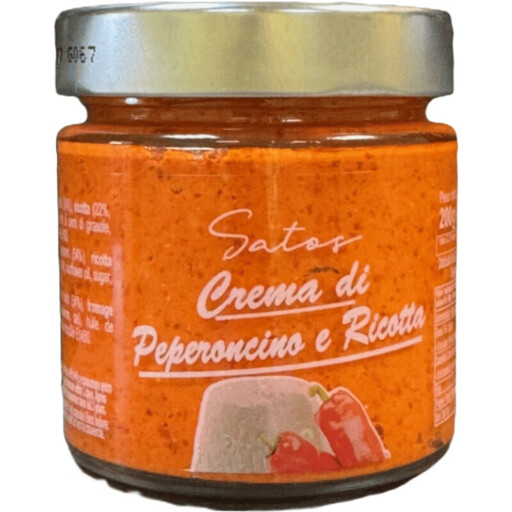 Image unavailable
Worth considering for a spread to serve with drinks or for pasta if you want the chilli flavour already mixed in.
200 g tub. If you’re looking for a plain base or need to take allergens into account, check the ingredients on the packaging.
Not if you’re mainly after a stretchy or golden, bubbling finish. Galbani distinguishes ricotta, which is suitable for fillings and sauces, from mozzarella, a stretched-curd cheese that gives you that result when cooked.
Check the ingredients and allergen information on the label of every pre-packed product you buy. The DGCCRF says allergenic ingredients must be highlighted; the Carrefour listing for 250 g of Boursin Garlic & Fine Herbs also notes that it may contain traces of nuts.
No. If the product has a use-by date, Anses advises that it shouldn’t be eaten after that date. You should also follow the storage instructions on the packaging.