
Livraison le jour même ou le lendemain

Qualité garantie

Débloquez vos offres de bienvenue: Livraison GRATUITE | Jusqu'à -80 % | 30 jours d'essai gratuits à JoyPlus
Téléchargez l'application
Buying French wine online can quickly become a bit of a minefield. Between appellations, grape varieties, vintages and sometimes overly flattering descriptions, it is not always easy to separate useful information from marketing spiel. The right bottle depends above all on the meal you are planning, your budget, the format you want and the flavour profile you are looking for.
An AOC or AOP wine follows geographical requirements and precise production rules. That does not mean, however, that every bottle from the same appellation will taste the same. The producer, vintage and storage conditions can also make a real difference.
A name such as Chardonnay, Sauvignon blanc or Pinot noir, on the other hand, mainly refers to a grape variety. On its own, it does not allow you to predict the wine’s acidity, body or sweetness accurately.
These descriptions convey a tasting impression, but are inevitably subjective. To compare several options, focus instead on the concrete information available: alcohol content, volume, appellation, grape variety, serving temperature and recommended food pairings.
A lively, taut French white wine will not pair with the same dishes as a fuller white, perhaps matured in oak. The aromatic description is only useful if it matches how you genuinely intend to drink the wine.
A 37.5 cl half bottle can be perfect for dinner for two or for a tasting, without requiring you to open a 75 cl bottle. It will, however, be too small for a large gathering. Remember to check the net volume and the condition of the packaging when it is delivered.
To preserve the wine’s qualities, keep the bottle away from heat, humidity and light. Once opened, reseal it and place it in the fridge, adjusting the storage time according to the type of wine.
Appellations provide an initial indication of the wine’s style and production framework, but they do not replace carefully reading the product description. Common options include Burgundy wine, Bordeaux wine, Languedoc wine, Loire wines and Alsace wines.
A designation such as AOC, AOP or IGP should therefore be considered alongside the region name and grape variety, where provided.
For a wine to accompany seafood, choose refreshing acidity and a clean finish. Depending on the dish and your tastes, a Chablis, Petit Chablis, Bourgogne Aligoté or Touraine Sauvignon can all work very well.
For a French red wine, pay attention to the tannic structure. A soft red will pair easily with charcuterie, pizza or mild cheeses. A fuller, more tannic red will be better suited to grilled meat, game or mature cheeses.
Sweet wines from Sauternes or Barsac offer a different experience, marked by notes of candied fruit, honey and citrus. They can accompany a lightly sweet dessert, foie gras or certain blue cheeses.
Alcohol content gives an indication of the warming sensation on the palate, but it is obviously not enough to judge a wine’s quality. Also check for the statement ‘contains sulphites’, which is mandatory when the level exceeds the regulatory threshold.
Product descriptions may also specify the ingredients, nutritional values per 100 ml, storage conditions and the identity of the responsible person within the European Union. This is valuable information for making an informed purchase.
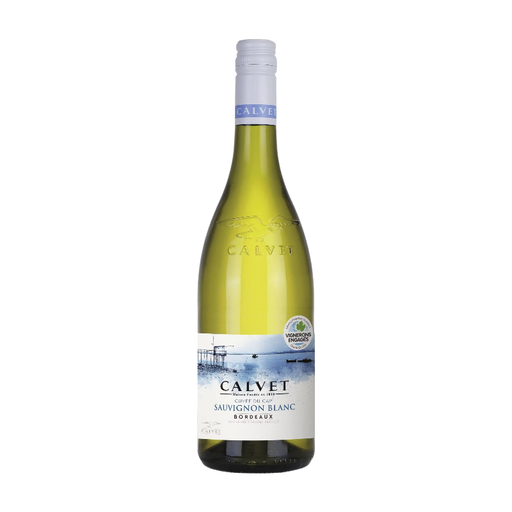
Why this choice suits this profile : With its 75 cl format and fresh Sauvignon blanc profile, this bottle can accompany everything from an aperitif to a seafood meal, without requiring you to buy several bottles.
The product description states the Bordeaux AOP appellation, Sauvignon blanc grape variety, vintage and alcohol content of 11,5 % vol. Your choice is therefore not based solely on vague promises.
A Sauvignon blanc to serve chilled, with stated notes of exotic fruit, citrus and white peach.
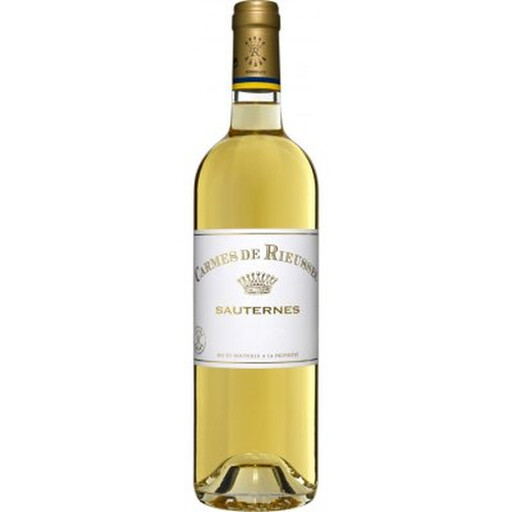
Why this choice suits this profile : Its 37,5 cl format is ideal for a focused tasting or an end-of-meal pairing, without requiring you to open a full bottle.
The product description clearly states the Sauternes AOC appellation, the blend and the serving temperature, between 8 and 10 °C.
A blend of Sémillon and Sauvignon blanc, with stated notes of candied fruit, honey and citrus.
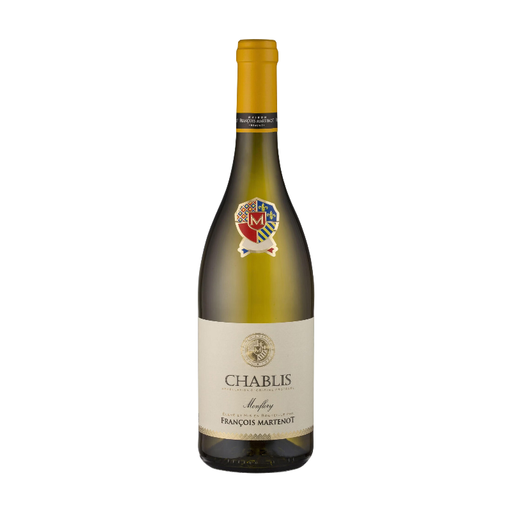
Why this choice suits this profile : This versatile bottle pairs easily with regular meals based on fish, seafood, sushi or poultry in sauce.
The product description specifies the AOP appellation, Chardonnay grape variety and recommended pairings, making it easier to choose according to your menu.
A profile described as fresh, citrusy and mineral, with a recommended serving temperature of between 10 and 11 °C.
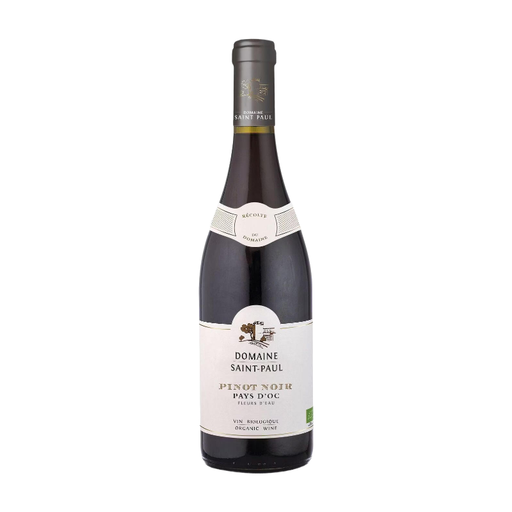
Why this choice suits this profile : This Pinot noir pairs with roast poultry, vegetable gratin, charcuterie or hard cheeses.
The product description details the grape variety’s style, the 75 cl format, the presence of sulphites and the organic and vegan credentials.
A Pinot noir with stated aromas of cherry and violet, and tannins described as soft and delicate.
We have brought together a complete selection, updated in real time, of products that meet these exacting criteria while complying with European safety regulations.
If you are looking for a fuller Burgundy white, Pouilly-Fuissé and Bourgogne Chardonnay pair readily with fish, pasta or white meat. Bourgogne Aligoté generally offers a livelier palate, making it ideal as an aperitif or with seafood dishes.
Sauvignon blanc fans can also turn to an AOC Touraine Sauvignon, often described with notes of citrus and flowers. It pairs particularly well with shellfish or goat’s cheese, especially Valençay.
For a more structured red, Saint-Chinian will pair effortlessly with grilled meats, game and mature cheeses. Keep an eye on the serving temperature: a red that is too warm will seem more alcoholic, while a white served ice-cold may lose some of its aromas.
Choose a dry white with pronounced acidity and a fresh finish. A Chablis, Petit Chablis, Bourgogne Aligoté or Touraine Sauvignon could all work well. For hot oysters, fish in sauce or sushi, refer to the pairings suggested on each bottle’s product description.
A dry white wine will generally keep for a few days in the fridge, provided it is resealed with a suitable stopper. A red wine can also remain enjoyable for a short time after opening, but its development depends on its structure. Sauternes or Barsac sweet wines often last longer if they are properly resealed and kept chilled.
The organic wine designation refers to a regulatory framework governing, among other things, production methods and permitted inputs. It does not directly indicate what the wine will taste like. To compare two bottles, also look at the appellation, grape variety, alcohol content, vintage and storage conditions. All alcoholic drinks are intended for adults only. Drink responsibly, and alcohol is not recommended during pregnancy.