
Livraison le jour même ou le lendemain

Qualité garantie

Débloquez vos offres de bienvenue: Livraison GRATUITE | Jusqu'à -80 % | 30 jours d'essai gratuits à JoyPlus
Téléchargez l'application
Buying French wines online allows you to compare cuvées from many different regions, but the label does not always tell the whole story. A prestigious appellation does not guarantee that the wine’s profile will suit your meal. As for the price, it may reflect a domaine’s reputation more than your personal tastes.
Before ordering a 75 cl bottle of wine, take the time to check three things: sweetness level, grape variety or blend, and serving conditions. This approach helps you avoid disappointing purchases and choose a French red wine, French white wine or French rosé wine that suits the occasion.
An AOP wine or AOC wine complies with specifications linked to a geographical area and precise production rules. This does not mean that every bottle from the same appellation will have the same intensity, balance or ageing potential.
A Bordeaux wine may be soft and fruity, or more structured. Similarly, a Burgundy wine may be a lively Bourgogne Aligoté, a fuller-bodied Chardonnay or a Pinot Noir with fine tannins. The appellation therefore provides a useful starting point, but you should also check the grape varieties, the vintage shown on the product page and the tasting notes.
A dark bottle, elegant label or mention of a grand cru cannot accurately predict how well a wine will pair with a dish. For a dinner, pay closer attention to the alcohol content, serving temperature and advertised profile: freshness, fruit, tannins, roundness or sweetness.
A Sauternes wine is generally appreciated for its balance between richness and freshness, while a Chablis wine is more likely to evoke a taut, refreshing white.
Wine does not cope well with heat, direct light or major temperature fluctuations. When a product page recommends storing it in a cool, dark place or at a constant temperature, it is best to follow that guidance.
The bottle size also matters. A 75 cl bottle is suitable for a meal shared by several people, while a 37.5 cl format, such as Carmes de Rieussec Sauternes Blanc, may be better suited to a tasting for two or pairing with a dessert.
France’s major wine-growing regions offer very different styles:
The organic wine designation should be checked directly on the label or product page. It cannot be inferred from terms such as ‘natural’, ‘authentic’ or ‘respectful of the terroir’.
For an aperitif or seafood, choose a fresh French white wine with clearly perceptible acidity. A Bordeaux or Touraine Sauvignon can be an excellent choice. With red meat, a more structured French red wine served at between 16 and 18 °C will generally be better suited.
French rosé wines are served chilled, but their style can vary considerably. Some are light and lemony, while others are more expressive and fruity. For dessert or blue cheese, a sweet white wine such as Sauternes can be a particularly good choice.
Alcohol content is given as a percentage by volume. It helps you anticipate the sensation on the palate and the type of meal the wine is intended for. The products featured here also indicate the presence of sulphites, an allergen to take into account.
Follow the temperatures stated on the product page:
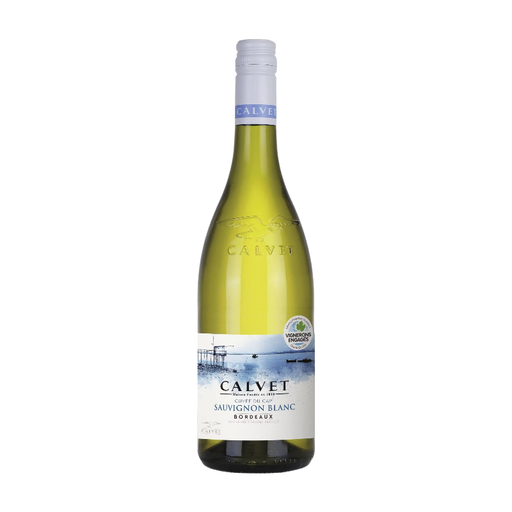
Why this choice suits this profile : This Bordeaux Sauvignon Blanc offers a fresh, fruity profile that is easy to pair with an aperitif, seafood or Asian dishes.
The product page specifies the grape variety, appellation, alcohol content and serving temperature, rather than relying on a vague promise.
AOP Bordeaux, 75 cl, 11.5% vol., with advertised notes of exotic fruit, citrus and white peach.
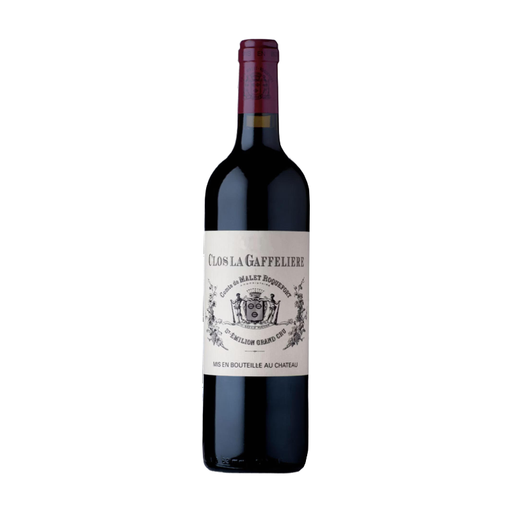
Why this choice suits this profile : Its Saint-Émilion Grand Cru appellation and profile defined by black fruit, spice and cocoa make it a suitable bottle for more elaborate meals or as a gift.
The product page details the colour, nose, palate, vintage and storage conditions. This gives you concrete information on which to base your decision.
Merlot–Cabernet Franc blend, 14% vol. and tannins described as elegant, with a lingering finish.
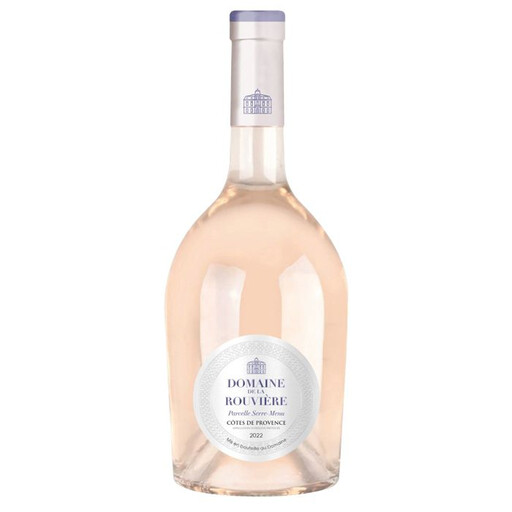
Why this choice suits this profile : This Provence rosé pairs easily with summer meals, leisurely aperitifs and tables where several dishes need to be served with a single bottle.
The appellation, grape varieties and serving temperature are specified. You therefore cannot choose this rosé based solely on its colour.
Cinsault–Grenache–Syrah blend, 75 cl, 13% vol. and a profile featuring citrus and red fruit.
Always drink alcohol responsibly. Alcoholic drinks are not recommended during pregnancy, even in small quantities. Sulphites should also be taken into account by anyone who is sensitive to them.
We have put together a complete, real-time updated selection of products that meet these demanding selection criteria and European safety regulations.
A French white wine made with Sauvignon, such as a Bordeaux white or Touraine Sauvignon, makes it easy to identify freshness and fruity aromas. For a red, a Pinot Noir-based Burgundy or a Bordeaux Supérieur offers two interesting styles to compare.
A white or rosé wine will generally keep for a few days in the fridge, provided it is properly resealed. For a red, reseal the bottle and keep it somewhere cool. The actual storage time depends on the wine, how much oxygen it has been exposed to and how much remains in the bottle.
The AOP and AOC designations are official indications linked to origin and production conditions. They do not replace checking the grape variety, flavour profile, alcohol content and intended pairing. Compare all these factors before ordering, rather than relying on the appellation alone.