
Livraison le jour même ou le lendemain

Qualité garantie

Débloquez vos offres de bienvenue: Livraison GRATUITE | Jusqu'à -80 % | 30 jours d'essai gratuits à JoyPlus
Téléchargez l'application
Buying French wines online gives you access to wines from Bordeaux, Burgundy and Sauternes without having to visit every wine merchant. However, an appealing product listing does not always make the right choice obvious. The label, vintage, format and storage conditions can all affect your experience — and your budget.
Before you check out, here are the main pitfalls to avoid and the criteria to consider when comparing bottles methodically.
A Bordeaux wine can be soft and fruity, powerful, oaky or made for ageing. Similarly, a Burgundy wine may be made from Chardonnay, Aligoté, Pinot Noir or Gamay, depending on the appellation.
The name of a region is therefore not enough to predict how a wine will taste. Check the grape variety, colour, sweetness level and serving recommendations.
Terms such as ‘grand cru’, ‘selection’ or ‘special cuvée’ need to be considered in context. An appellation d’origine contrôlée follows precise production requirements, but it does not guarantee that the wine’s profile will suit your tastes.
A Saint-Émilion Grand Cru, for example, is generally associated with a structured style, while a white Bordeaux made with Sauvignon is more likely to focus on freshness. This information is far more useful when choosing a bottle than generic marketing language.
A 37.5 cl half-bottle can suit two people with dessert or for arranging a tasting. A 75 cl bottle is better suited to a shared meal. Once delivered, store the wine away from heat, humidity and light, following the recommendations shown on the product listing or label.
Start by thinking about how you plan to enjoy the wine:
The alcohol content is shown on the product listing or label. Depending on the wine, bottles offered here generally range from 11.5 to 14.5% vol. This can affect the warming sensation on the palate and how well the wine balances with your meal.
Serving temperature also deserves your attention: around 8 to 10°C for sweet wines, 10 to 12°C for some whites, and 16 to 18°C for many red wines. Where indicated, the recommended ageing period relates to the product and its storage conditions; it is not a guarantee of the result.
Product listings generally mention grape must, the grape varieties used and the presence of sulphites, an allergen to take into account. Some nutritional information is also provided per 100 ml. The purchase and consumption of alcohol are restricted to people aged 18 and over. Alcohol is not recommended during pregnancy, and you should not drive after drinking.
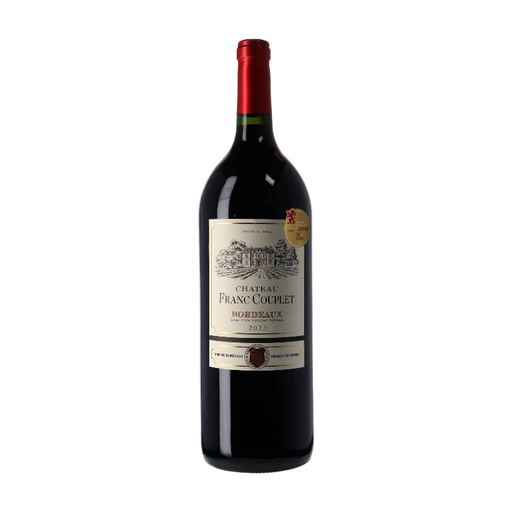
Why this choice suits this profile : This 75 cl bottle from the Bordeaux appellation, made with Sauvignon, offers a fresh, fruity and aromatic profile, suited to an aperitif or a light meal.
The listing specifies the appellation, grape variety, volume, alcohol content and presence of sulphites, rather than relying solely on general sales language.
Sauvignon specified, 75 cl, 13.5% vol. and notes of exotic fruit, citrus and white fruit.
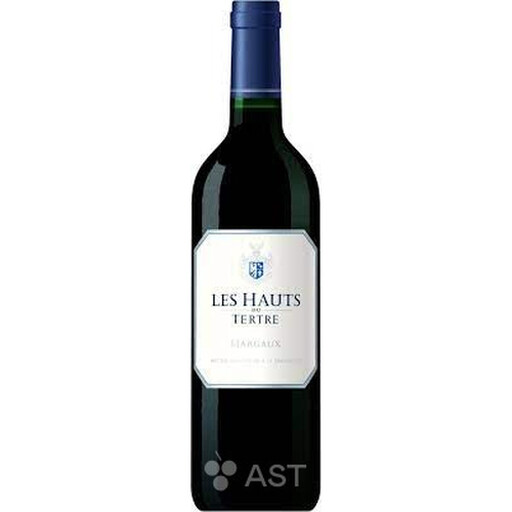
Why this choice suits this profile : This second wine from Château du Tertre is aimed at Margaux enthusiasts looking for an elegant red defined by red fruit, spice and a lingering finish.
The listing clearly states that this is a second wine, and specifies its Margaux appellation, blend and serving temperature.
75 cl, 13% vol., a blend dominated by Cabernet Sauvignon and Merlot, with a recommended serving temperature of between 16 and 18°C.
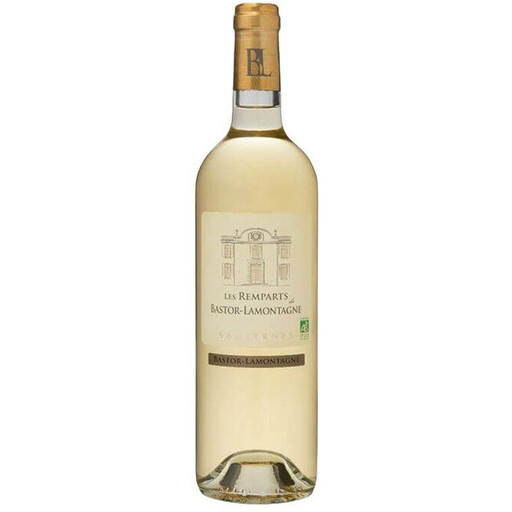
Why this choice suits this profile : Its 37.5 cl format is ideal for specific pairings, meals featuring several wines or occasions when a full bottle would be unnecessary.
The format is stated in the product name, while the listing specifies the Sauternes appellation, its claimed organic credentials and serving temperature.
37.5 cl, 13.5% vol., 80% Sémillon, 20% Sauvignon, with a recommended serving temperature of between 8 and 10°C.
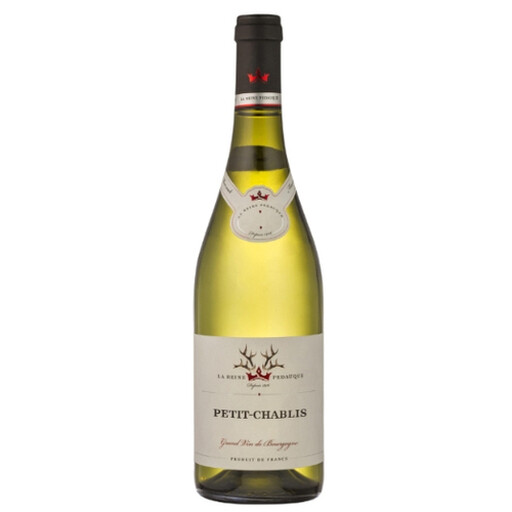
Why this choice suits this profile : This Chardonnay-based Burgundy white offers notes of white fruit, lemony freshness and minerality that pair beautifully with fish and seafood.
The listing provides the grape variety, the stated Petit Chablis AOC appellation, the volume and the recommended drinking period.
Chardonnay, 75 cl, 13% vol., served between 10 and 11°C, with an indicated energy content of 70 kcal per 100 ml.
On delivery, check the condition of the cork, capsule and label. A bottle exposed to intense heat may have suffered a loss of quality. Store it in a cool, dark and stable place, rather than near a radiator or window.
To accompany a meal, serve the wine gradually so you can follow how its aromas develop. A Bordeaux red such as a Médoc, a Margaux or a Castillon Côtes de Bordeaux can accompany meat and is best served at around 16 to 18°C. A Loire or Bordeaux white is generally enjoyed cooler. For a celebratory occasion, a brut Crémant de Bourgogne is an excellent match for an aperitif, shellfish or poultry.
Start with a few complementary profiles: a red Bordeaux, a fresh Sauvignon-based white, a white Burgundy and a brut sparkling wine. This variety makes it possible to pair your bottles with different meals without tying up a significant part of your budget in a single appellation.
Keep the bottle away from light, heat and humidity, in an environment that is as stable as possible. Always check the information on the product listing and label. Sweet wines and certain reds may have specific recommendations regarding temperature or ageing.
They can be a good choice for someone who already appreciates wines from Bordeaux, but the recipient’s tastes should be taken into account. An elegant Margaux, a more structured Saint-Émilion Grand Cru or a sweet Sauternes are suited to different occasions. To reduce the risk of choosing incorrectly, opt for a listing that clearly presents the appellation, format, flavour profile and serving conditions.