
Livraison le jour même ou le lendemain

Qualité garantie

Débloquez vos offres de bienvenue: Livraison GRATUITE | Jusqu'à -80 % | 30 jours d'essai gratuits à JoyPlus
Téléchargez l'application
Buying wine online makes it easy to compare appellations, grape varieties and bottle sizes. But an appealing product page is not always enough to make the right choice. Between prestigious labels, flattering descriptions and vintages presented without context, some bottles may disappoint once opened.
This selection of French wines available online also includes a few European options, with practical guidance to help you choose according to the meal, your budget and how often you drink wine.
An AOP or AOC regulates the wine’s origin, permitted grape varieties and certain production methods. These official designations provide a useful framework for comparing bottles, but they are not enough to predict a wine’s aromatic profile or strength. A Margaux, a Saint-Émilion Grand Cru and a Bordeaux red can have very different structures depending on the blend, producer and vintage.
Terms such as “elegant”, “refined” and “generous” remain subjective. To interpret them, it is better to check the practical details: grape variety, alcohol content, bottle size, serving temperature and the stated storage potential. A precise description is often more useful than a general promise.
A 75 cl bottle of wine should be kept away from light, excessive humidity and significant temperature fluctuations. Once it arrives, leave it to rest for a few hours before serving. For red wines, the recommended temperature is generally between 13 and 18 °C, depending on the style. Rosé and white wines are best served cooler.
The grape variety gives an initial indication of the wine’s texture and aromas, although it is not an absolute rule. Merlot often brings a round, fruity feel, while Cabernet Sauvignon contributes more structure. Pinot Noir is associated with finer, fruitier profiles, as found in some Burgundy wines.
For a crisp white, a Bourgogne Aligoté can accompany seafood, fish and light dishes. The Sauvignon from Château Franc Couplet AOP Bordeaux is described as having exotic fruit notes, pronounced freshness and a lingering finish.
Alcohol content alone cannot be used to judge a wine’s quality. However, it does help you anticipate how it will feel on the palate and how well it will pair with a meal. The wines featured range from 8 % vol. for Lambrusco Signore Giuseppe to 14 % vol. for certain structured Bordeaux reds. A higher-alcohol wine will generally pair better with a hearty dish than with a delicate starter.
Always check the conditions specified by the producer. Lambrusco Signore Giuseppe should be served between 8 and 10 °C and is best enjoyed while young. A Margaux such as Confidences Prieuré-Lichine should be served between 16 and 18 °C. Porto Tawny Sandeman should be stored upright, away from light, and served between 12 and 16 °C.
The presence of sulphites should also be checked on the label or product page. Alcoholic drinks are for adults only and drinking alcohol is not recommended during pregnancy. Follow the French drinking guidelines and do not drive after drinking.
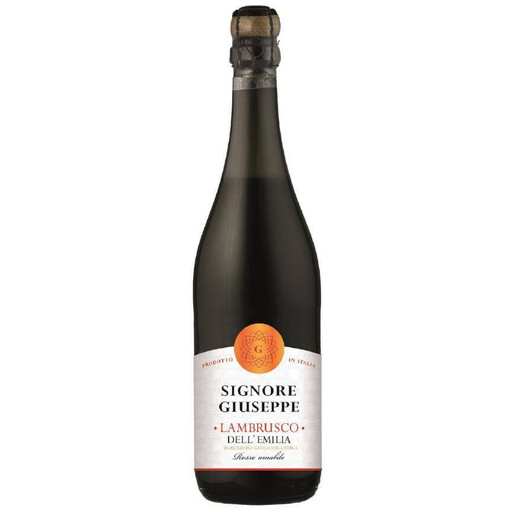
Why this choice suits this profile : With its 8 % vol. alcohol content, serving temperature of between 8 and 10 °C and fruity profile, this Italian Lambrusco is ideal for a first, fuss-free introduction to wine or for serving as an aperitif.
The product page specifies the grape variety, alcohol content, 750 ml size and serving temperature, rather than relying solely on flattering descriptions.
A blend of Lambrusco Salamino, Maestri and Marani ; red fruit notes and a sweet finish.
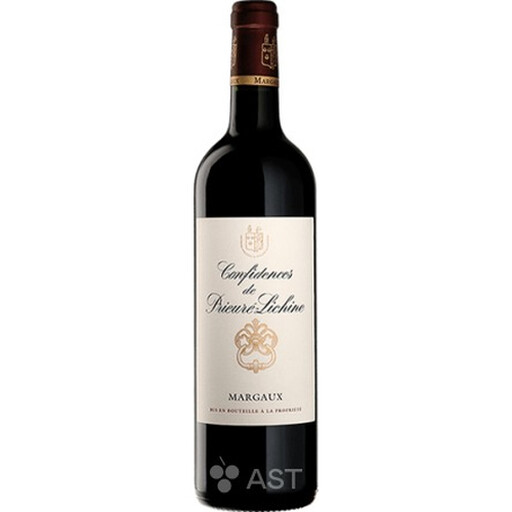
Why this choice suits this profile : This second wine from a Margaux Grand Cru Classé is ideal for enthusiasts looking for a well-crafted Bordeaux red with excellent structure that remains approachable.
The appellation, Margaux origin, Merlot–Cabernet Sauvignon blend and serving temperature of between 16 and 18 °C are all clearly stated.
Advertised aromas of cherry, blueberry and violet ; soft tannins and an alcohol content of 13 % vol.
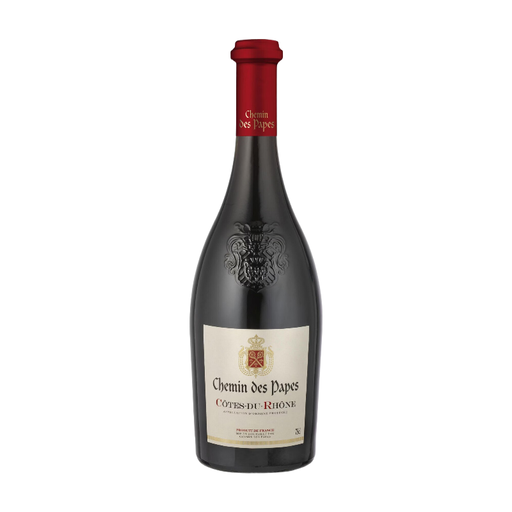
Why this choice suits this profile : Its Syrah and Grenache-based blend, fruity profile and pairings with meat and spicy dishes make it an easy choice for everyday meals.
The product page details the grape varieties, food pairings and storage conditions. This helps you make a well-informed purchase instead of choosing based solely on the label.
Notes of dark berries, aromatic herbs and spices ; tannins described as round.
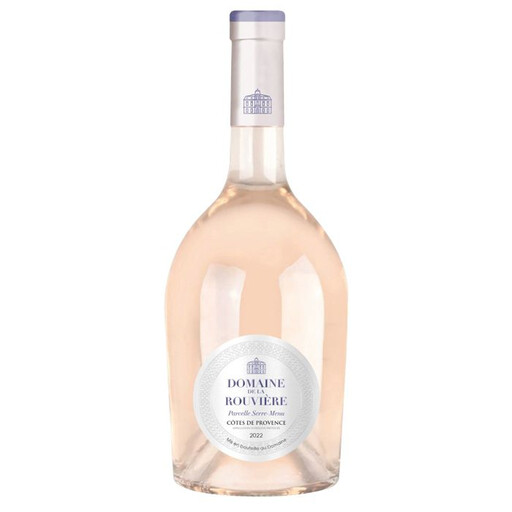
Why this choice suits this profile : Served between 6 and 8 °C, this Provence rosé is an easy match for summer meals, mixed salads and aperitifs.
The product page specifies the Cinsault, Grenache and Syrah grape varieties, the A.O.C. Côtes de Provence appellation and the serving temperature.
Pale pink colour ; silky texture with citrus and red fruit notes, according to the product description.
We have brought together a complete, real-time updated selection of products that meet these demanding criteria, in line with European safety regulations.
Your choice of vintage should also take into account when you plan to drink the bottle. Some wines are intended to be enjoyed young, while others have clearly stated ageing potential. In all cases, check the recommendations on the product page and avoid storing your wine in a hot room or somewhere exposed to sunlight.
Start by identifying the type of wine, then look at the grape variety, alcohol content, aromatic notes and suggested pairings. Descriptions such as “dry”, “fruity”, “structured” or “sweet” provide an initial indication, but should be considered alongside the detailed information on the product page.
It depends on the appellation, vintage, producer and storage conditions. A bottle intended to be drunk young will not offer the same experience after several years as a wine with explicitly stated ageing potential. Always store bottles away from light and temperature fluctuations.
AOP and AOC wines comply with precise specifications concerning their origin and production. However, these designations do not guarantee a profile that everyone will enjoy. Before confirming your purchase, focus on comparing the appellation, grape varieties, stated style, serving temperature and pairing with the meal you have planned.