
Livraison le jour même ou le lendemain

Qualité garantie

Débloquez vos offres de bienvenue: Livraison GRATUITE | Jusqu'à -80 % | 30 jours d'essai gratuits à JoyPlus
Téléchargez l'application
Buying French wines online lets you quickly compare regions, appellations, vintages and formats. But a well-presented product page isn't always enough to make the right choice. Between prestigious labels, flattering descriptions and sometimes subtle differences in style, some bottles may not suit your meal or your taste.
This Joybuy selection guide helps you spot the truly useful information before buying a Bordeaux wine, a Burgundy wine, a French white wine or a sparkling wine.
An AOP or AOC guarantees an origin and production rules, but it doesn't mean every bottle will have the same aromatic profile. A bottle with AOP Bordeaux can be soft and fruity, while a Médoc or Saint-Émilion Grand Cru will often be more structured. The vintage, blend and ageing process make all the difference.
So the appellation is a good starting point, but it doesn't tell you everything about the taste experience.
A recent vintage can be perfect for drinking straight away, while a bottle intended for ageing needs more consideration. Also remember to check the volume: Sauternes and Barsac wines are often sold in 37.5 cl bottles. This size is ideal for a dessert for two or a tasting, but it's not the same as a standard 75 cl bottle.
These descriptions can give you a first impression, but they're still subjective. To compare bottles on more concrete grounds, check instead:
French red wine from Bordeaux is often based on blends of merlot, cabernet sauvignon, cabernet franc and, occasionally, petit verdot. Wines from the right bank, such as those from Saint-Émilion or Castillon Côtes de Bordeaux, often give a prominent role to merlot and offer a full texture. Médoc and Margaux are generally associated with blends dominated by cabernet sauvignon, with a structure that pairs well with red meats.
In Burgundy, the grape variety can be a particularly useful guide. Chardonnay is used in white wines, while aligoté produces fresh, lively cuvées. For a French white wine intended for seafood, fish or an aperitif, look for descriptions that mention freshness, citrus or minerality.
In this selection, the alcohol content generally ranges between 12 and 14.5% vol. It influences the sensation of warmth and the weight on the palate. A wine at 14% vol. can work very well with a rich dish, but may feel heavier with lighter cuisine. However, alcohol content shouldn't be considered in isolation: acidity, tannins and residual sugar all contribute to the overall balance.
Store your bottles in a cool, dark place, away from temperature fluctuations. The temperatures shown on the product page are good guidelines:
Bottles containing sulphites must be labelled as such. The sale and consumption of alcohol are reserved for people aged 18 and over. Consumption should be moderate. Alcohol is not recommended during pregnancy and it is best not to drive after drinking.
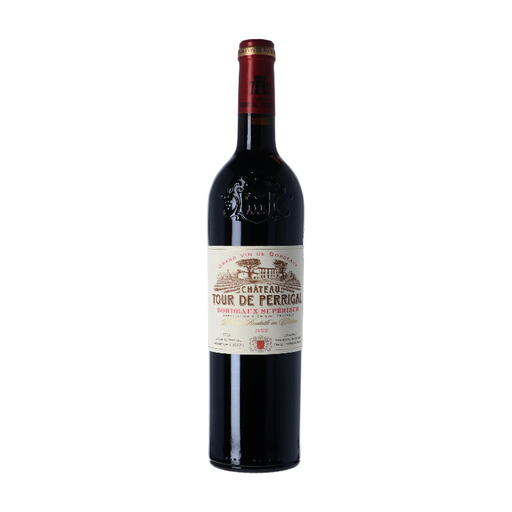
Why this choice suits you: Its blend of merlot, cabernet sauvignon and cabernet franc pairs easily with everyday meals, from red meat to cheese.
The product page clearly states the Bordeaux Supérieur appellation, the 13.5% vol. alcohol content and a serving temperature between 16 and 18 °C.
75 cl format, fruity profile with notes of blackcurrant and plum, tannins described as supple, and sulphites clearly indicated.
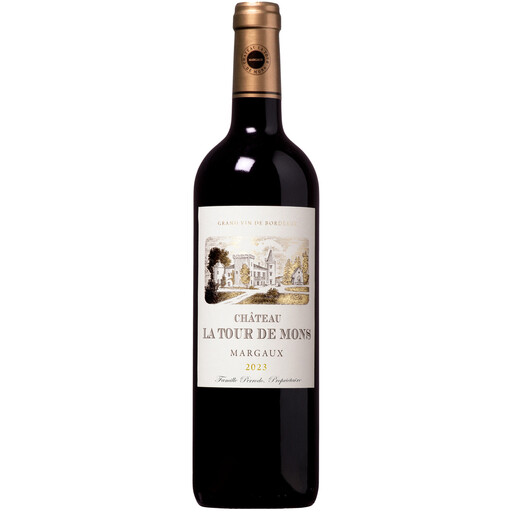
Why this choice suits you: This Bordeaux appellation belongs on a celebratory table, especially with a cut of beef, game or aged cheeses.
The 2023 vintage, the blend and the serving temperature of 17 °C are all clearly stated, making it easy to compare with other bottles.
Margaux, 13% vol., woody, spicy and fruity notes, with an announced ageing potential of up to 10 years.
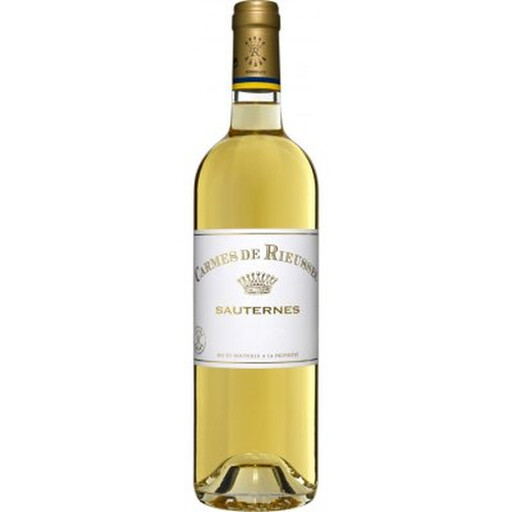
Why this choice suits you: This small format is ideal for a tasting for two, with a fruity dessert, foie gras or a cheese board.
The volume, the Sauternes appellation and the serving temperature between 8 and 10 °C are all visible before purchase.
Blend of sémillon, sauvignon blanc and muscadelle, 13.5% vol., notes of candied apricot and citrus.
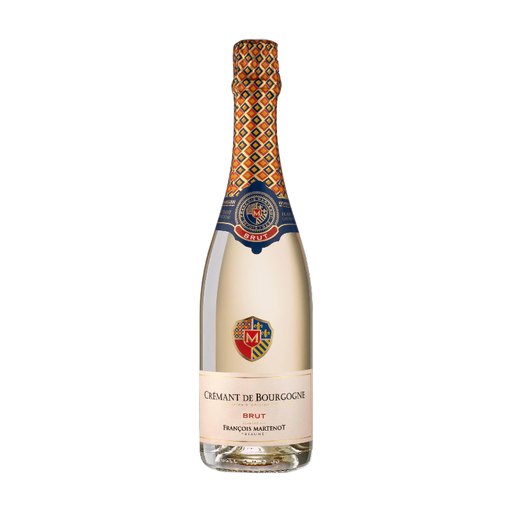
Why this choice suits you: This sparkling rosé is perfect for an aperitif, a brunch or a gathering where you want a fresh, easy-to-share bottle.
The AOP Crémant de Bourgogne label and the 75 cl format clearly distinguish this cuvée from a simple sparkling wine.
Bubbles described as fine and persistent, notes of citrus and red fruits, product stated as suitable for vegetarian and vegan diets.
For a lively white wine, the Château Franc Couplet AOP Bordeaux 2022 highlights sauvignon with notes of exotic fruit. The François Martenot L'Or de la Terre Bourgogne Aligoté offers a fresh profile, well suited to fish and seafood.
Fans of a softer red might turn to the Domaine Saint-Paul IGP Pays d'Oc Fleurs d'eau Organic Vegan, a pinot noir with delicate tannins. The "organic vegan" label should, however, be checked on the product page and on the label of each reference, as clarification methods can vary.
For a more structured bottle, the Clos La Gaffeliere AOC Saint-Émilion Grand Cru 2020 or the CHÂTEAU D'AIGUILHE Castillon Côtes de Bordeaux 2022 pair better with hearty dishes. The product pages list their grape varieties, alcohol content and storage conditions.
Start with the meal you have planned, rather than the most prestigious name. A fruity Bordeaux Supérieur, a fresh Touraine Sauvignon or a crémant de Bourgogne let you discover different styles without getting lost in an endless list of criteria.
Keep it away from light, heat and excessive humidity. For a bottle intended to be drunk soon, a stable temperature is generally more important than specialised equipment.
Yes, especially for Sauternes and Barsac. A 37.5 cl bottle avoids waste when the wine only accompanies dessert or a tasting for two. Always check the volume and the number of guests before you finalise your basket.