
Livraison le jour même ou le lendemain

Qualité garantie

Débloquez vos offres de bienvenue: Livraison GRATUITE | Jusqu'à -80 % | 30 jours d'essai gratuits à JoyPlus
Téléchargez l'application
Buying French wine online lets you compare appellations, formats and flavour profiles in just a few clicks. But a well-presented product page doesn't always guarantee a smart choice. Between prestigious appellations, uneven vintages and rather vague food-pairing suggestions, disappointment can quickly find its way to your table.
Here are the key criteria to consider before ordering a selection of French wines, whether you're looking for a bottle for everyday drinking, a special meal or a gift.
Bordeaux, Burgundy, Provence or Alsace cover a wide range of styles. A red Bordeaux can be soft and fruity, or conversely more full-bodied, depending on the appellation, the blend and the producer. The same goes for Burgundy: a white wine can be made from Chardonnay or Aligoté, with a round, mineral or particularly crisp profile.
The appellation is therefore a useful starting point, but it should be considered alongside the grape variety, the vintage, the alcohol content and the tasting notes.
A renowned appellation such as Margaux, Saint-Émilion Grand Cru or Sauternes can make an impression on a special occasion. But that doesn't necessarily mean it will suit the menu you have planned. A sweet wine, for example, will pair more naturally with dessert, foie gras or certain cheeses than with a light starter.
The best choice depends on the balance you're looking for between acidity, sweetness, tannins, power and texture.
Before placing your order, take a moment to check:
Wines should be consumed in moderation. The sale and consumption of alcohol are reserved for adults. Alcohol consumption is not recommended during pregnancy.
The grape variety gives you a first idea of the wine's style. Sauvignon often suggests fresh, citrus or herbaceous notes, while Chardonnay can offer a more floral, fruity or slightly buttery profile. In Bordeaux, Merlot generally brings softness and fruit, whereas Cabernet Sauvignon contributes more to the structure.
To accompany seafood, a crisp white such as a Sauvignon de Touraine is a solid choice. With roast meat, a red blend from Bordeaux or the Rhône Valley will often be more at home.
The standard 75 cl format suits most meals. A half-bottle of Sauternes lets you discover a sweet wine without opening a large quantity, which is handy for dessert or a tasting for two.
For a gathering, also think about comparing the number of guests and the number of bottles you'll need. The format shouldn't be chosen based solely on the price displayed.
Follow the temperatures recommended by the producer:
Store bottles away from light, heat and excessive humidity. Once opened, a resealed bottle should be consumed quickly to preserve its flavour as much as possible.
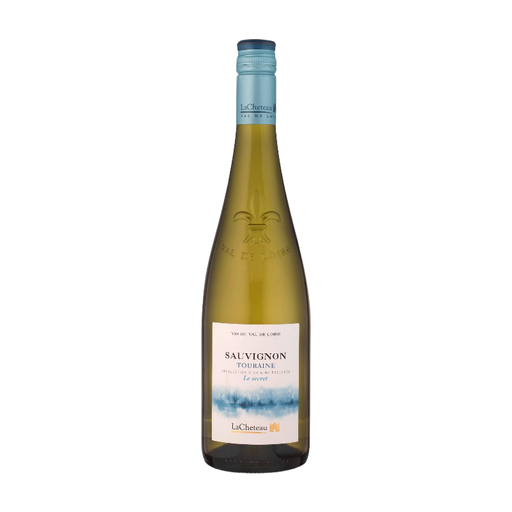
Why this choice suits this profile: Its fresh, citrusy white profile pairs easily with aperitifs, seafood or goat's cheese.
The product page specifies the appellation, the Sauvignon grape variety, the 75 cl volume and the storage conditions.
A fresh profile, clear serving instructions and pairings with shellfish, aperitifs and Valençay cheese.
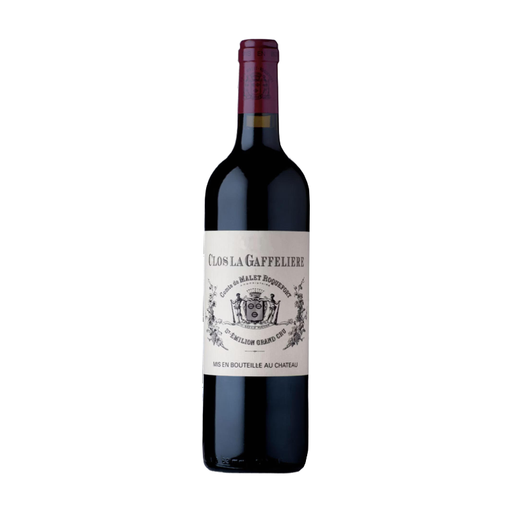
Why this choice suits this profile: This Bordeaux appellation will accompany a fine meal, a beautiful cut of red meat or make a gift for a lover of structured wines.
The product page clearly distinguishes the Saint-Émilion Grand Cru appellation, the format and the serving temperature.
A blend of Merlot and Cabernet Franc, concentrated dark fruit, elegant tannins and a persistent finish.
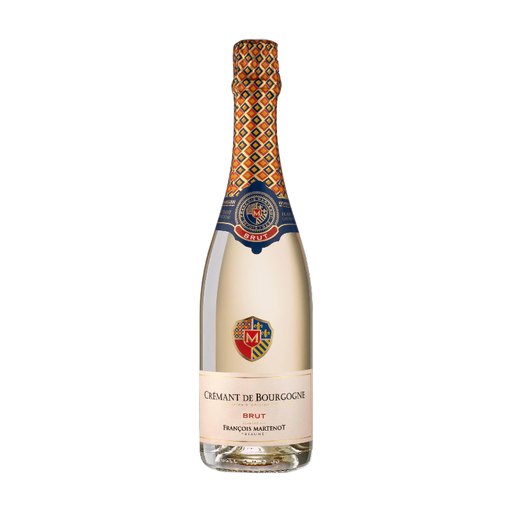
Why this choice suits this profile: Its standard format and bubbles make it an easy bottle to bring out for aperitifs, festive meals or celebrations.
The product page details the volume, approximate alcohol content, presence of sulphites and storage away from heat.
Fine bubbles, notes of citrus and red fruit, plus detailed information on ingredients.
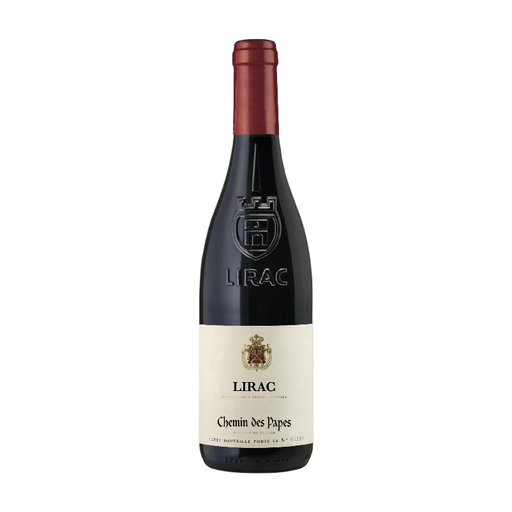
Why this choice suits this profile: This red from the Rhône Valley is aimed at those who want to discover a lesser-known appellation with a bottle designed for hearty meals.
The product page indicates the Syrah and Grenache grape varieties, the aromatic notes and the pairings with lamb, duck and charcuterie.
An intense red colour, round tannins and notes of dark fruit, sweet spices and aromatic herbs.
For a meal without a precisely defined menu, go for a versatile wine with clear information. A soft red Bordeaux, a Sauvignon de Touraine or a Bourgogne Aligoté can work with different dishes. However, do check the acidity, alcohol content and suggested pairings on the product page.
Sauternes is a sweet white wine, generally richer and sweeter than a dry white wine. It pairs well with dessert, foie gras or a blue cheese. For a tasting with a few people, a half-bottle of 37.5 cl is often enough.
Keep it in a cool, stable place away from light. White, rosé and sparkling wines should be chilled before serving. As for reds, avoid serving them too warm: the temperature stated on the label remains the best guide.