
Livraison le jour même ou le lendemain

Qualité garantie

Débloquez vos offres de bienvenue: Livraison GRATUITE | Jusqu'à -80 % | 30 jours d'essai gratuits à JoyPlus
Téléchargez l'application
Buying French wines online makes it easy to compare appellations, colours and bottle sizes. But a well-presented product page isn't always enough to help you make the right choice. Between flattering descriptions, variations between vintages and storage conditions that are sometimes glossed over, some orders can come with unwelcome surprises.
This guide from Joybuy's product recommendations manager will help you spot the truly useful information before ordering a wine from Bordeaux, Burgundy or Beaujolais.
An appellation such as Bordeaux, Burgundy or Juliénas defines a production framework, but it doesn't fully describe what you'll experience on the palate. A Bordeaux Supérieur can be fruity and supple, while a Médoc will often offer more structure. In Burgundy, a Chardonnay and an Aligoté don't share the same freshness or the same food pairings.
Before you decide, check the grape variety, the region, the wine's colour and the tasting notes. The name of the appellation alone isn't everything.
The vintage influences a wine's style and its ability to evolve. A bottle intended for drinking in the next few months isn't chosen the same way as a cuvée destined for the cellar. Some product pages also indicate a recommended drinking window, particularly for certain Beaujolais crus.
Match this information to your goal: accompanying a meal soon, building a cellar, or giving a bottle as a gift.
Heat, excessive humidity and direct light can all harm a wine's preservation. Upon delivery, store your bottles in a cool, dry place away from light. For sparkling wines, also avoid strong temperature fluctuations before serving.
Finally, remember to check for the presence of sulphites, the alcohol content, the volume and any legal warnings. The sale and consumption of alcohol are reserved for those aged 18 or over. Alcohol is not recommended during pregnancy and should be consumed in moderation.
To choose a French red wine, start by looking at the stated structure, the grape varieties used and the suggested food pairings. Merlot, Cabernet Sauvignon and Cabernet Franc go into many Bordeaux wines, while Pinot Noir is emblematic of numerous Burgundy cuvées. Gamay, for its part, is inseparable from Beaujolais wine, particularly in the Brouilly, Morgon, Régnié and Juliénas appellations.
On the white wine side, a Chardonnay from a Bourgogne Chardonnay generally offers a different profile from an Aligoté or a Sauvignon from Bordeaux. A Petit Chablis is often appreciated for its freshness and mineral notes. A Barsac wine, which is sweeter, will suit a completely different occasion.
Serving temperature is a genuine benchmark, not just a decorative detail:
Also think about pairing the wine with the dish: red meat and Médoc, seafood and Petit Chablis, poultry and Pinot Noir, aperitif and Crémant de Bourgogne.
The 75 cl bottle remains the most common format. However, a Barsac wine may be sold in a half-bottle, a handy size for accompanying a dessert or organising a tasting with several people. The product page should also state the alcohol content, allergens and storage conditions.
The presence of sulphites must be indicated when they are present. Some cuvées may also mention stabilising or fining agents. This information doesn't allow you to judge the wine's taste quality: it's primarily there to inform you at the time of purchase.
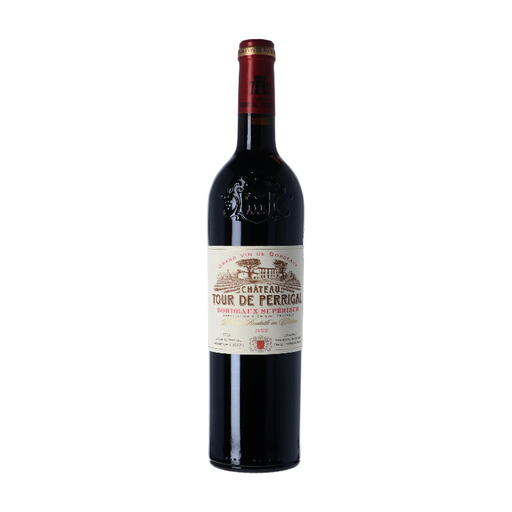
Why this choice suits this profile: The product page specifies the Bordeaux grape varieties, the palate profile and the food pairings, making it easier to choose a first bottle for an everyday meal.
The appellation, deep colour, stated aromas and serving temperature are all listed. The page doesn't rely on a vague promise.
Blend of Merlot, Cabernet Sauvignon and Cabernet Franc ; 13.5 % vol. ; 75 cl bottle.
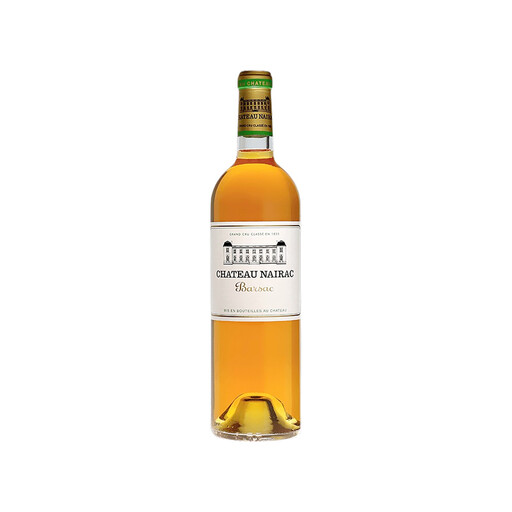
Why this choice suits this profile: This Barsac lends itself to a more refined tasting experience, particularly with dessert, foie gras or certain cheeses.
The 37.5 cl format avoids opening a large bottle when the wine is reserved for an occasional tasting.
Profile marked by candied fruit, honey and acacia ; recommended serving temperature between 8 and 10 °C.
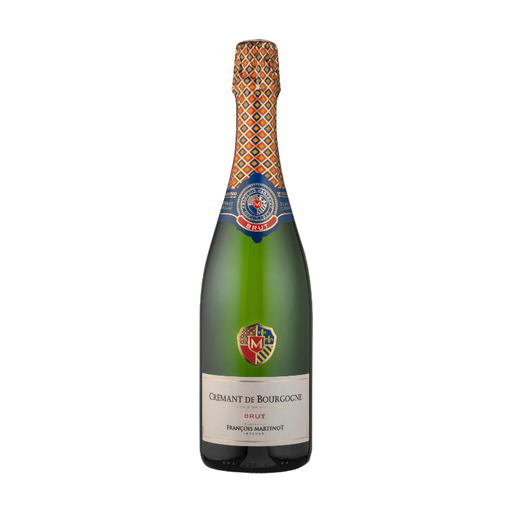
Why this choice suits this profile: Its standard format and sparkling profile mean it can be served equally well as an aperitif, with a meal or at a reception.
The page details the ingredients, sulphites, alcohol content and storage conditions, rather than relying solely on the presence of bubbles.
Pale yellow colour, notes of citrus and flowers, fine bubbles stated, approximately 12 % vol. and 70 kcal per 100 ml.
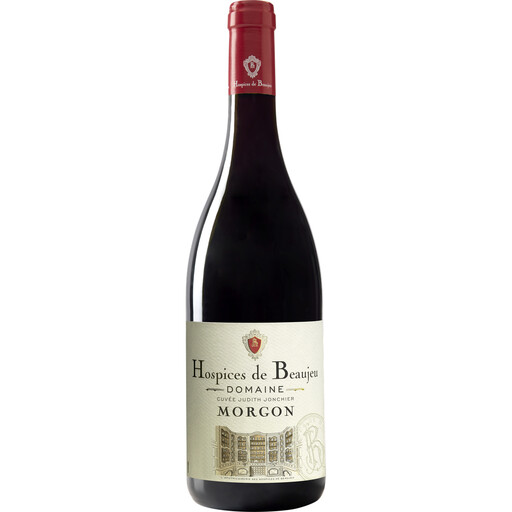
Why this choice suits this profile: This Beaujolais cru pairs easily with poultry, charcuterie, a stewed dish or a cheese board.
The page specifies the Gamay grape variety, a serving temperature of 14 to 15 °C and the ageing potential, helping you choose the right moment to open it.
Aromas of cherry, peach, plum and spice ; 13.5 % vol. ; fruity profile supported by well-integrated tannins.
We've put together a comprehensive selection, updated in real time, of products that meet these exacting criteria and European safety regulations.
Start with the main course, then compare the wine's colour, grape variety and serving temperature. A Petit Chablis or a Bourgogne Aligoté will pair well with seafood, while a red Bordeaux will naturally suit red meat. For a light starter or an aperitif, a rosé or a Crémant de Bourgogne will do the job nicely.
It all depends on the appellation, the vintage, the wine's style and the producer's recommendations. Sparkling wines and some fresh whites are generally intended to be drunk relatively soon, while certain red cuvées can continue to evolve in the bottle. In any case, store your wine away from light, heat and significant temperature fluctuations.
Check the volume, alcohol content, appellation, grape variety, food pairings, serving temperature and the possible presence of sulphites. Also make sure the purchase is reserved for someone of legal age and that delivery is possible to your address in France.