
Livraison le jour même ou le lendemain

Qualité garantie

Débloquez vos offres de bienvenue: Livraison GRATUITE | Jusqu'à -80 % | 30 jours d'essai gratuits à JoyPlus
Téléchargez l'application
Buying French wines online gives you access to wines from Bordeaux, Burgundy and the Rhône Valley without having to travel. But an appealing product page is not always enough to make the right choice. Between flattering descriptions, different bottle sizes and sometimes vague food-pairing suggestions, certain pitfalls can lead you to order a bottle that suits neither your meal nor your taste.
A Bordeaux wine, Burgundy wine or Rhône Valley wine can offer very different profiles depending on the appellation, grape varieties and winemaking method. A red Bordeaux Supérieur is not enjoyed in the same way as a Sauternes, while a Chablis does not have the same character as a Pouilly-Fuissé.
Before placing your order, check:
Price alone does not tell you whether a bottle will suit your palate. A lively French white wine will often pair better with oysters than a richer white, even if the latter is more expensive. Similarly, a structured red may be perfect with roast meat but seem too powerful with a light dish.
To compare bottles using practical criteria, look for the vintage when stated, volume, appellation, grape variety, tasting notes and food-pairing suggestions.
The 75 cl wine bottle remains the standard size for a meal shared by several people. However, a 37.5 cl bottle can be more convenient with dessert, for a tasting for two or to avoid opening a large bottle when dining alone. Storage also deserves your attention: most wines should be protected from heat, humidity and light, and kept in a cool place.
All products shown contain sulphites. The sale and consumption of alcohol are restricted to people aged 18 and over. Alcohol consumption is not recommended during pregnancy or before driving.
For an aperitif or a seafood platter, a fresh and lively French white wine is usually an excellent choice. A red made with Merlot, Cabernet or Pinot Noir is more suited to meat, charcuterie or cheese. For a celebration, a sparkling rosé wine or crémant brings bubbles and freshness, and is not limited to aperitifs.
AOP labels identify a geographical area and a precise set of production requirements. They obviously do not guarantee that every bottle will appeal to every palate, but they provide a valuable reference when choosing.
Temperature plays a major role in how wine is perceived. Structured reds are generally served at around 16 to 18 °C, while fresh whites are best enjoyed between 8 and 12 °C. Crémants, meanwhile, are best served well chilled.
Always check the product page: it may specify recommended pairings with seafood, white meats, spicy dishes, desserts or cheeses.
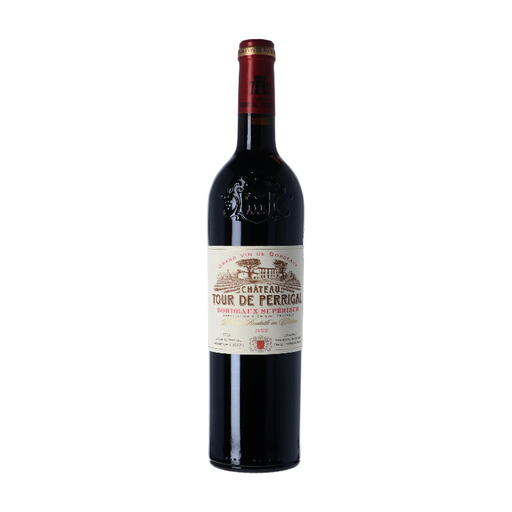
Why this choice suits this profile : This red Bordeaux is an accessible starting point for discovering a Bordeaux blend, with notes of blackcurrant, plum and spice. It pairs easily with home-cooked food.
The appellation, size and alcohol content are clearly stated. You are not choosing solely on the basis of the château’s name.
75 cl, fruity and structured red profile, recommended serving temperature between 16 and 18 °C.
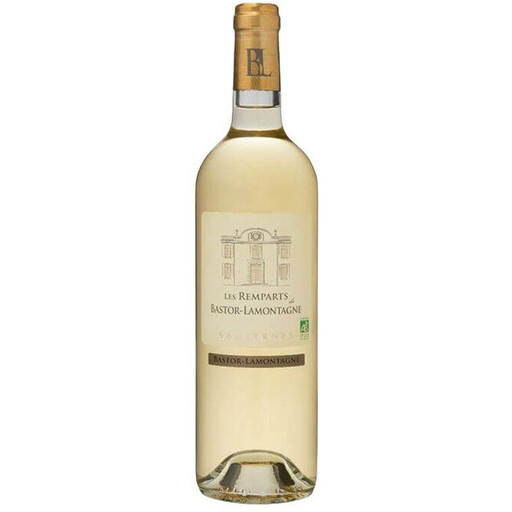
Why this choice suits this profile : This half-bottle of Sauternes is ideal for a more focused tasting, with aromas of candied fruit, honey, citrus and exotic fruit.
The smaller format helps prevent waste when sweet wine is served in small quantities, with dessert or cheese.
Sauternes AOC, 37,5 cl, recommended serving temperature between 8 and 10 °C.
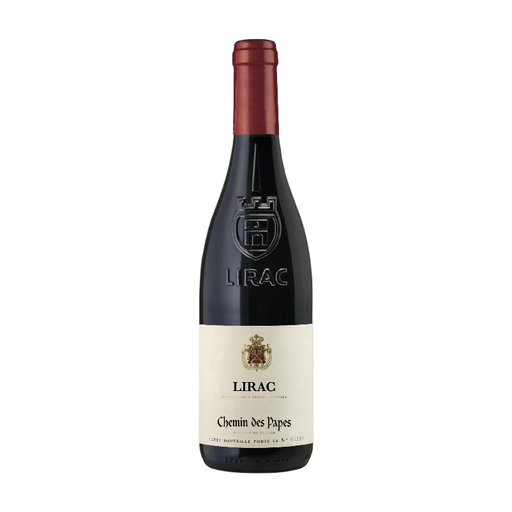
Why this choice suits this profile : This Rhône Valley wine, made from Syrah and Grenache, pairs with hearty dishes such as roast lamb, duck breast or a charcuterie board.
The product page details the grape varieties, terroir and food pairings. This allows you to anticipate its intensity rather than ordering at random.
Lirac AOP, Syrah-Grenache blend, full-bodied palate and rounded tannins, according to the description.
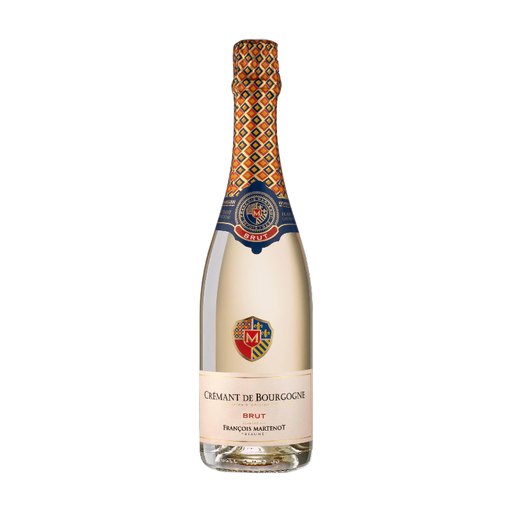
Why this choice suits this profile : This rosé crémant offers fine bubbles with notes of citrus and red fruit. It is perfect for an aperitif, brunch or a lightly sweet dessert.
The Crémant de Bourgogne appellation and brut style clearly distinguish this sparkling wine from a still rosé.
75 cl, brut profile, notes of grapefruit, raspberry and redcurrant, suitable for vegetarians and vegans according to the product page.
A fresh and lively French white wine will generally pair best with oysters, fish and shellfish. Depending on the style you are looking for, you could choose a Chablis or Bourgogne Aligoté. Remember to check the serving temperature and recommended pairings on the product page.
They come from two different regions and each follows its own set of production requirements. The choice mainly depends on the aromatic profile, sweetness level — brut or demi-sec — and the occasion. In both cases, the standard size is a 75 cl bottle.
Keep it in a cool, dark place, away from significant temperature fluctuations. Serve white and sparkling wines well chilled. Once opened, reseal sparkling wines and keep them in the fridge to help minimise the loss of bubbles.