
Livraison le jour même ou le lendemain

Qualité garantie

Débloquez vos offres de bienvenue: Livraison GRATUITE | Jusqu'à -80 % | 30 jours d'essai gratuits à JoyPlus
Téléchargez l'application
Buying French wines online gives you access to an impressive range of appellations. But faced with dozens of options, the choice can quickly become overwhelming. Between prestigious names, sometimes overly flattering aromatic descriptions and the formats on offer, some essential criteria can easily be overlooked.
Before ordering a French red wine, a French white wine, a rosé or a sparkling wine, take the time to check three things: the appellation, the flavour profile and the storage conditions. This approach reduces the risk of unpleasant surprises and helps you build a varied, well-balanced cellar.
A Bordeaux, Burgundy or Rhône Valley wine can display very different styles. The grape variety, vintage, ageing process and appellation all play a decisive role in the final taste.
A white Bordeaux made from Sauvignon can be lively and fruity, while a Burgundy Chardonnay will often be rounder, with floral or vanilla notes. The region's name provides a first point of reference, but it isn't enough on its own to make an informed choice.
A renowned appellation isn't necessarily suitable for every occasion. A Sauternes or a Barsac sweet wine will naturally find its place with dessert, foie gras or certain cheeses. A fresh, mineral Chablis will pair more readily with oysters, fish and sushi.
The right approach is to start with the intended use: aperitif, everyday dinner, gastronomic meal, gift or cellar storage.
The 75 cl bottle remains the standard format for a meal with several people. At 37.5 cl, half-bottles are better suited to a tasting for two or when you'd prefer not to open a large bottle.
Also consider the storage conditions. Most wines need to be protected from heat, excessive humidity and direct light. A poorly chosen serving temperature can also significantly alter the perception of the aromas.
The AOC or AOP defines a geographical area and a set of production rules. It doesn't guarantee an identical taste from one bottle to another, but it does help you better understand the wine's style.
Some useful reference points:
A dry, off-dry or sweet white wine isn't served with the same dishes. A dry Riesling will pair well with seafood, sauerkraut or fish. An off-dry Gewürztraminer will lend itself more to spicy cuisine or certain cheeses.
For reds, look at the described structure: supple tannins, full-bodied mouthfeel, freshness or power. A French red wine with pronounced tannins generally goes well with red meats, game or aged cheeses. More fruity and approachable, a Beaujolais will often be easy to serve with charcuterie or poultry.
The label and product sheet should indicate the alcohol content, net volume and the presence of sulphites, allergens commonly declared in wine. Some products also mention nutritional information.
Respect the recommended temperature: around 8 to 10 °C for a sweet white or rosé, 10 to 12 °C for most dry whites, and 14 to 18 °C depending on the style of red wine. Alcohol consumption is for adults only and is not recommended during pregnancy.
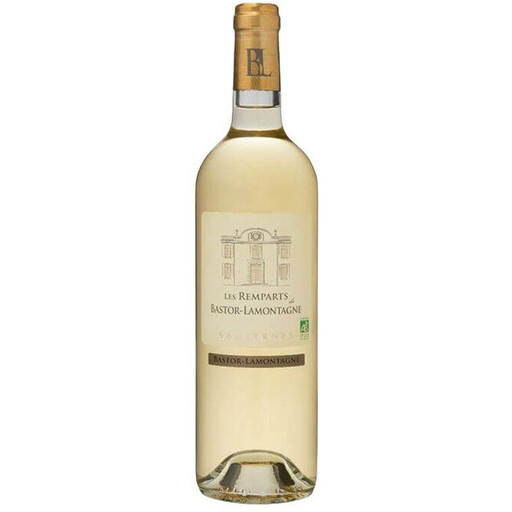
Why this choice suits this profile: With its 37.5 cl format, this bottle lets you discover a Sauternes without opening a 75 cl bottle. Serve it well chilled with a dessert or cheese.
The product sheet clearly states the Sauternes appellation, format, main grape variety and serving temperature, rather than relying solely on the prestige of the name.
Organic white wine described as made from Sémillon and Sauvignon Blanc, 13.5 % vol., with a recommended serving temperature of 8 to 10 °C.
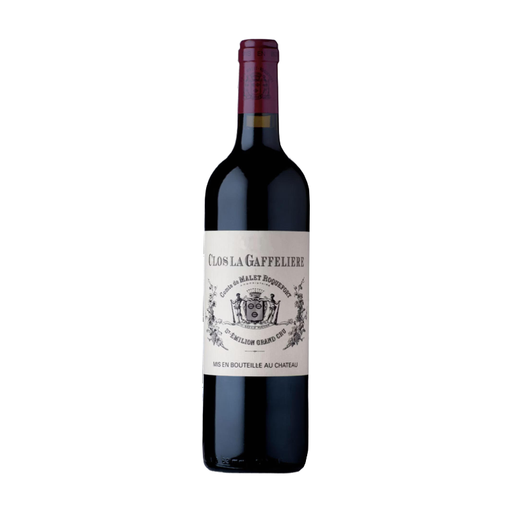
Why this choice suits this profile: This Saint-Émilion Grand Cru bottle is ideal for special meals and cellars that favour structured Bordeaux appellations.
The appellation, volume and vintage are clearly stated, making it easy to compare with other Bordeaux wines.
A profile built around black fruits, spices and cocoa, with a deep purple colour and declared presence of sulphites.
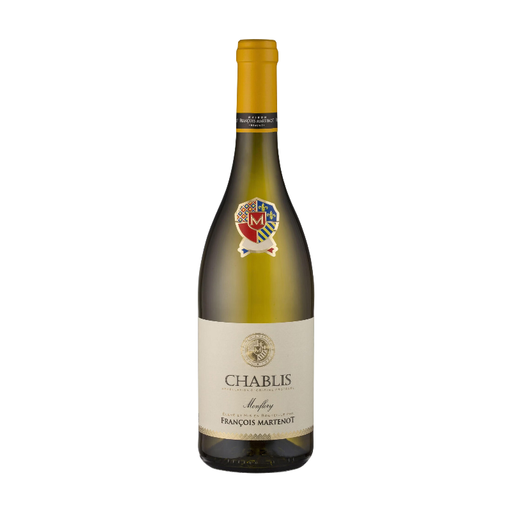
Why this choice suits this profile: Its fresh, citrusy profile pairs equally well with seafood and fish as it does with poultry in sauce or sushi.
The food pairings, colour and aromatic profile are detailed, which avoids choosing a white wine based solely on its appellation.
Chardonnay at 12.5 % vol., to be served between 10 and 11 °C, with declared presence of sulphites.
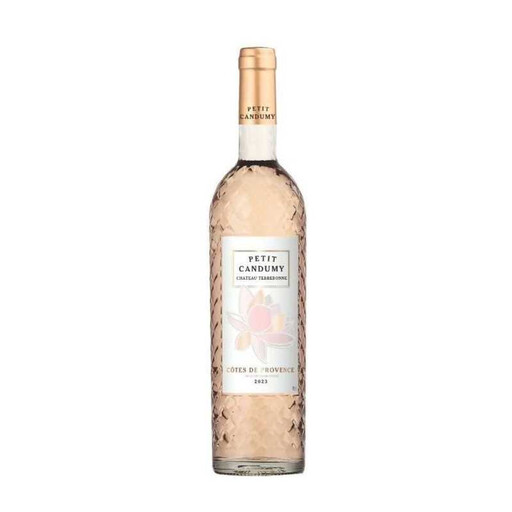
Why this choice suits this profile: Served well chilled, this French rosé pairs effortlessly with salads, barbecues, Mediterranean dishes and aperitifs.
The product sheet specifies the Grenache, Cinsault and Syrah grape varieties, the 75 cl format, the appellation and the serving temperature.
A pale pink colour, 12.5 % vol. and a profile marked by red fruits and citrus.
We've put together a comprehensive, real-time updated selection of products that meet these demanding selection criteria and European safety regulations.
Start with a style that's easy to pair with a dish you know. A Burgundy Aligoté, a Chablis or a Côtes de Provence rosé lets you discover fresh, approachable wines. For reds, a Beaujolais or a Bordeaux Supérieur makes a good starting point, depending on whether you prefer fruit or more structure.
Seal it with its cork or a suitable stopper, then place it in the fridge. White wines and rosés generally appreciate this cool storage. For a sparkling wine like a Crémant de Bordeaux, use a special stopper to preserve the bubbles and drink the bottle promptly.
For a gift, choose a clearly identifiable appellation, a suitable format and a style that matches the recipient's tastes. To build a cellar, vary your selection: French red wine, dry whites, sweet wines, rosés and sparkling wines. Note the purchase date, storage conditions and recommended drinking window from the product sheet.