
Livraison le jour même ou le lendemain

Qualité garantie

Débloquez vos offres de bienvenue: Livraison GRATUITE | Jusqu'à -80 % | 30 jours d'essai gratuits à JoyPlus
Téléchargez l'application
Buying French wines from Bordeaux and Burgundy can quickly become a headache. With all the appellations, grape varieties, vintages, formats and tasting notes, the label alone isn't always enough to tell you whether the bottle will really complement your meal or earn a place in your cellar.
Certain mistakes crop up time and again:
In Bordeaux, red wines are often based on blends of Merlot, Cabernet Sauvignon, Cabernet Franc and Petit Verdot. The result can range from a soft, fruity style, as in some Bordeaux Supérieur, to a more structured character in Médoc or Castillon Côtes de Bordeaux.
A red Bordeaux wine from Margaux is often described with fruity, floral, spicy or woody notes. Saint-Émilion Grand Cru wines can offer more body and tannins, but their profile varies depending on the estate, the blend and the vintage.
In Burgundy, the grape variety generally gives a more direct indication of the style:
Don't rely solely on the colour of the wine. A white can be dry, off-dry or sweet. The Sauternes and Barsac appellations are associated with sweet white wines, with aromas of candied fruit, honey, citrus or even flowers.
A sweet wine is generally served chilled. It can accompany a lightly sweet dessert, foie gras or certain cheeses. For a light aperitif or a seafood platter, a dry Sauvignon, such as a Bordeaux blanc or a Touraine Sauvignon, will suit those who enjoy freshness.
The 75 cl format is ideal for a standard meal, while the 37.5 cl format lets you serve a sweet wine to two or three people without opening a full bottle. Also check the alcohol percentage on the label: the references shown here are typically between 13 and 14.5% ABV.
To preserve the aromas:
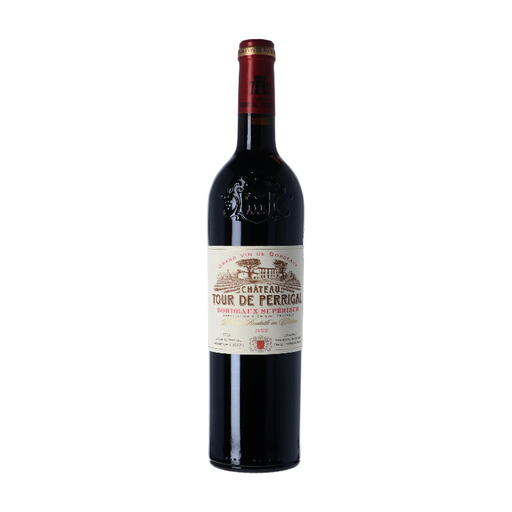
Why this choice suits this profile: Its blend of Bordeaux red grape varieties and its 75 cl format make it a straightforward option for a first purchase, an everyday meal or a dinner invitation.
The product page clearly states the appellation, volume, alcohol content and storage conditions, without relying solely on a prestige-driven description.
Promised notes of blackcurrant, plum, cedar and spices, with supple tannins and a fruity finish.
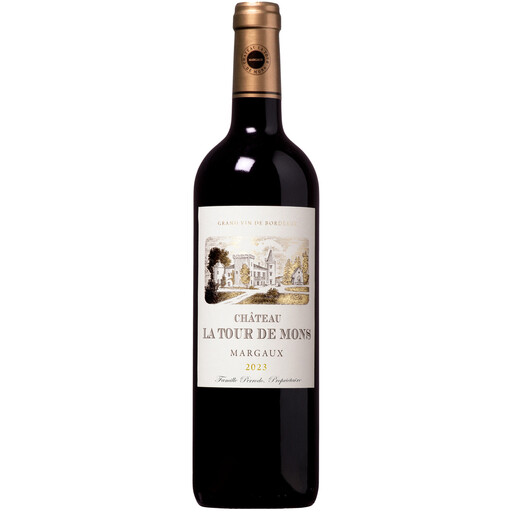
Why this choice suits this profile: This Margaux reference is aimed at those looking for a structured Bordeaux bottle to accompany a special meal or to give as a gift.
The blend is precisely stated: Merlot, Cabernet Sauvignon, Cabernet Franc and Petit Verdot. The profile therefore doesn't rely solely on the appellation name.
A nose marked by wood, spices and fruit, followed by a fresh and elegant palate; serving is recommended at 17 °C.
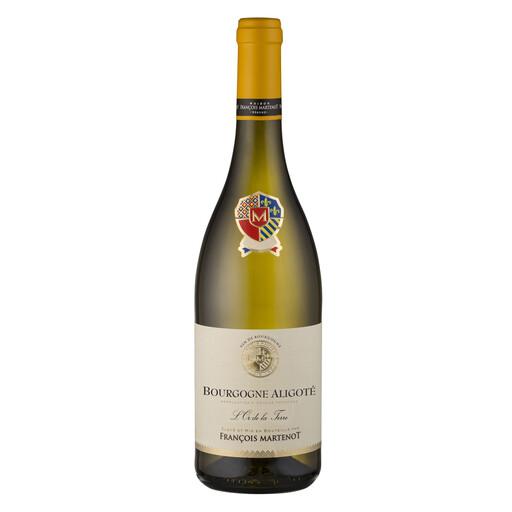
Why this choice suits this profile: Its promised freshness pairs well with frequent meals, seafood, fish and aperitifs where a crisp white is desired.
The Aligoté grape variety is clearly mentioned, which allows you to distinguish it from a rounder or fuller Bourgogne Chardonnay.
A 75 cl bottle at 13% ABV, to be served between 10 and 12 °C, in a crisp and refreshing style.
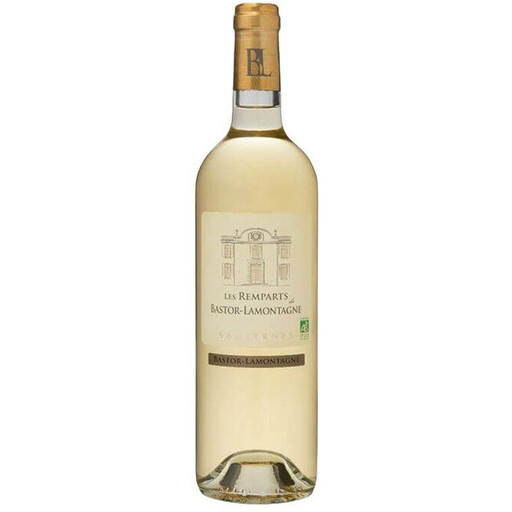
Why this choice suits this profile: Its small format and Sauternes style are ideal for occasional tasting, with a dessert or as a gift to share.
The 37.5 cl volume is clearly stated: you're not buying a 75 cl bottle for a single pairing or a small group.
A stated blend of Sémillon and Sauvignon Blanc, to be served between 8 and 10 °C, with aromas of candied fruit, mango, honey and citrus.
We've listed the products that meet these demanding selection criteria and European safety regulations, in a complete list updated in real time.
Start by identifying your tastes. A red Bordeaux Supérieur will easily accompany meat or a cheese board, while a Bourgogne Aligoté or a Bourgogne Chardonnay will pair more naturally with fish, seafood and vegetable dishes. To compare styles, go for bottles where the grape variety, appellation and serving temperature are clearly stated.
It all depends on the type of wine, how much is left and how the bottle is stored. Seal it, put it in the fridge and drink a white or sweet wine quickly. For a red, the evolution may be different, but the aromas start to change as soon as it's opened. For occasional tasting, a small-format bottle also helps to limit leftovers.
No. The organic label tells you about certain production practices, but says nothing about sweetness level, acidity or aromatic intensity. Always check the appellation, grape variety, alcohol content, volume and suggested pairings. Like other wines, organic bottles generally contain sulphites: this information should be checked on the label.