
Livraison le jour même ou le lendemain

Qualité garantie

Débloquez vos offres de bienvenue: Livraison GRATUITE | Jusqu'à -80 % | 30 jours d'essai gratuits à JoyPlus
Téléchargez l'application
Buying French wine online lets you compare regions, appellations and bottle sizes in just a few clicks. But even a well-written product page does not always make it easy to choose correctly. Between descriptions promising the earth, appellations that can be difficult to decipher and storage information that is not always easy to find, a purchase made for enjoyment can quickly turn into a disappointment.
Here are the key points to check before making any French wine purchase, with a selection chosen for different types of consumers.
Terms such as “exceptional”, “rare” or “great tradition” rarely tell you much about the wine’s actual style. To compare two bottles objectively, it is better to look at the appellation, grape variety, vintage shown on the product page, alcohol content, bottle size and serving recommendations.
An AOC, AOP or IGP designation indicates a geographical framework and production rules. However, it does not guarantee that the wine will suit your tastes. An AOP Bordeaux, a Margaux and a Chablis do not have the same profile or the same uses at the table.
Bordeaux wines are often blends based on Merlot and Cabernet, while red Burgundy wines are generally made with Pinot Noir. In the Rhône Valley, Syrah and Grenache play a central role. In Provence, rosé wines frequently combine Cinsault, Grenache and Syrah.
However, the appellation alone cannot tell you everything about the tasting experience. The producer, vintage, ageing and winemaking also influence the texture, acidity and aromas.
A 75 cl bottle of wine is generally suitable for a meal shared by several people. At 37.5 cl, it is more practical for dinner for two, dessert or an occasional tasting. Once delivered, store bottles away from light and heat, in a place with low humidity and as stable a temperature as possible.
The alcohol content, presence of sulphites and storage recommendations are normally shown on the product page or label. Alcohol is for adults only. It is not recommended during pregnancy and should be consumed in moderation.
Start by deciding what style you are looking for:
The grape variety is also a useful guide. Sauvignon is often appreciated for its aromatic freshness, Chardonnay for its roundness and fruity notes, Pinot Noir for its finesse, while Gamay generally delivers highly expressive fruit flavours.
Compare bottle sizes before comparing prices. A bottle may seem cheaper, but the formats are not always the same. Also check the alcohol content and recommended serving temperature : white and rosé wines are generally served chilled, while reds are often served between 14 and 18 °C, depending on their structure.
Product pages generally state the grape must, the grape varieties used and the possible presence of sulphites, which are among the allergens that must be declared. Some also provide the energy value per 100 ml. This information allows you to compare bottles on a practical basis, rather than treating a marketing promise as a guarantee of flavour.
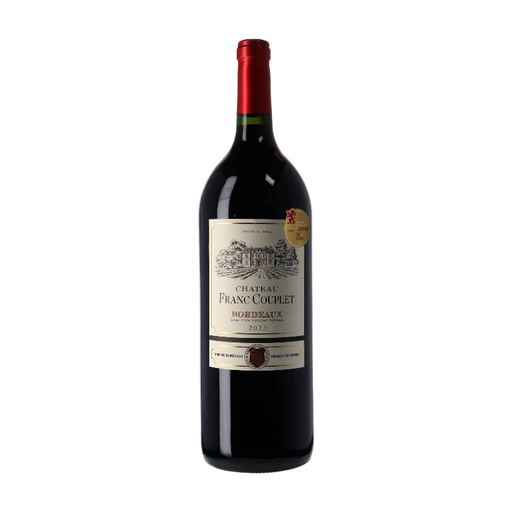
Why this choice suits this profile : with its 75 cl format, Bordeaux appellation and white profile dominated by Sauvignon, this bottle offers straightforward reference points for a first online purchase.
The product page states the grape variety, bottle size, appellation and storage conditions. That makes it easier to avoid choosing a bottle based solely on a rather vague promise.
A white wine with a yellow-green colour, marked by exotic fruit notes and a fresh finish. Contains sulphites.
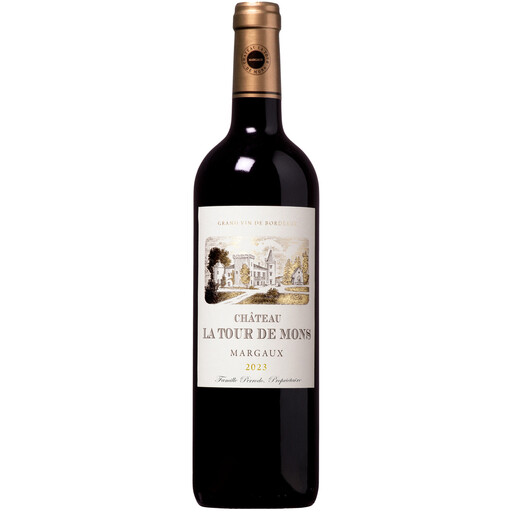
Why this choice suits this profile : this Bordeaux appellation is ideal for anyone looking to give or serve a bottle associated with a clearly identified terroir.
The product page details the blend of Merlot, Cabernet Sauvignon, Cabernet Franc and Petit Verdot, along with the recommended serving temperature of 17 °C.
A profile described as fruity, oaky and spicy, with 13 % vol. and storage recommended away from light.
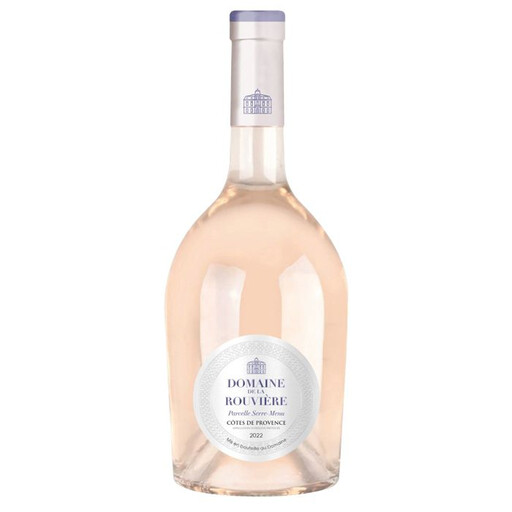
Why this choice suits this profile : its rosé style and best served well chilled, making it a suitable option for summer meals, aperitifs and orders intended for several guests.
The product page specifies the appellation, grape varieties and serving temperature of 6 to 8 °C. There is no need to interpret the description to know how to serve it.
A blend of Cinsault, Grenache and Syrah, with a pale pink colour and notes of citrus and red fruit.
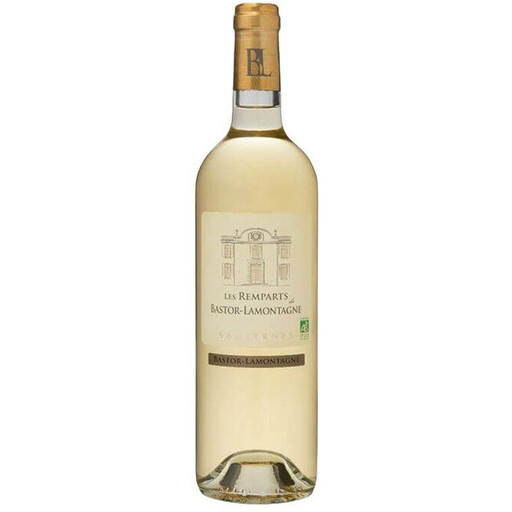
Why this choice suits this profile : its 37.5 cl format is ideal with dessert, as a gift or for discovering Sauternes without opening a 75 cl bottle.
The bottle size is clearly stated, while the serving temperature, between 8 and 10 °C, helps avoid unpleasant surprises related to the format or serving.
An AOC Sauternes made, according to the product page, from a blend of Sémillon and Sauvignon Blanc, with 13.5 % vol. and presented as organic.
Use the appellation, grape variety, type of wine, alcohol content, tasting notes and suggested pairings as your guide. Also check the bottle size and serving temperature. This information cannot predict your preferences perfectly, but it reduces the risk of choosing a bottle that is unsuitable for the occasion.
It depends entirely on the wine, vintage and the producer’s guidance. A bottle intended for drinking soon should be stored away from light and heat. Wines with ageing potential require more stable conditions, with as few temperature fluctuations as possible.
The organic designation refers to a method of production and certification, not to a specific flavour profile. An organic wine can be red, white, rosé or sweet, with very different styles depending on the region, grape variety and producer. It is therefore better to consult the product page as a whole rather than relying on this designation alone.