
Livraison le jour même ou le lendemain

Qualité garantie

Débloquez vos offres de bienvenue: Livraison GRATUITE | Jusqu'à -80 % | 30 jours d'essai gratuits à JoyPlus
Téléchargez l'application
Buying French wine can quickly become a headache when you have to navigate appellations, regions and sometimes overly flattering descriptions. An attractive label, a high price or terms such as “grand cru” and “selection” do not always tell you what you will actually find in the glass.
Three mistakes come up time and again:
To choose without being guided by marketing alone, start by decoding the label, then match the wine’s style to the occasion.
An AOC or AOP wine comes from a defined geographical area and complies with precise production specifications. Bordeaux, Burgundy, Provence and South-West wines therefore have very different profiles, even when they share the same colour.
An IGP wine, such as an IGP Pays d’Oc or an IGP Côtes de Gascogne, generally allows greater freedom when choosing grape varieties and creating blends. That does not make it any less appealing: this category can be an excellent choice for anyone looking for a fruity, approachable wine that is easy to pair with food.
The grape variety gives you an initial idea of the wine’s profile. Chardonnay is widely used in French white wines, particularly in Burgundy, Chablis and Languedoc. Sauvignon Blanc often brings fresh, vegetal notes, while Gros Manseng produces supple, aromatic whites that can be slightly sweet.
For a French red wine, look at the structure described: velvety tannins, dark fruit, spices or a woody finish. A Bordeaux such as Margaux, Saint-Émilion or Saint-Estèphe will be more at home with meat or a dish with a rich sauce than at aperitif time.
For a French white wine, consider the balance between freshness, roundness and sweetness. A Chablis or Petit Chablis is a natural match for oysters, fish and seafood. Sauternes pairs better with a fruity dessert, foie gras or certain cheeses.
The vintage helps place the bottle in context, but it should not be considered on its own. The appellation, storage conditions and how the wine has been kept also play an important role.
The alcohol content is shown on the label. It gives you an indication of the sensation on the palate and helps you choose a bottle that suits the meal. Nutritional information may also be provided per 100 ml.
The bottle size is worth checking too:
Keep your bottles away from heat, humidity and light. The serving temperature depends on the style: a Provence rosé is generally best served well chilled, while a red wine is better enjoyed at a slightly higher temperature. The products shown contain sulphites. Drinking alcohol is not recommended during pregnancy, even in small quantities.
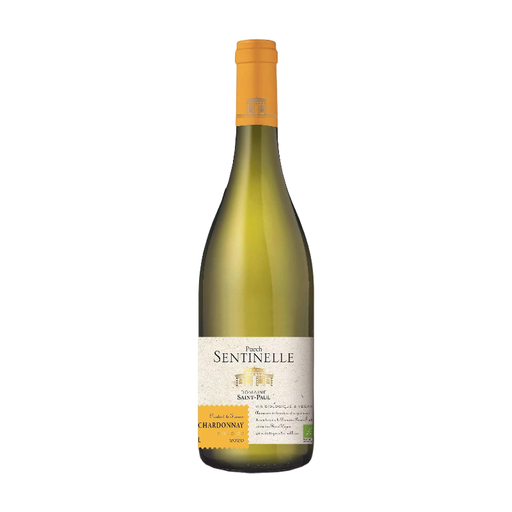
Why it suits this profile : This Languedoc Chardonnay is a good introduction to French white wines. Its 75 cl size is the classic format, and its description suggests notes of white flowers, candied lemon and a lightly brioche-like finish.
The IGP Pays d’Oc designation clearly indicates the origin and stated style, without presenting the appellation as a universal guarantee of taste.
Chardonnay, 75 cl bottle, clearly stated sulphite content and a detailed aromatic profile.
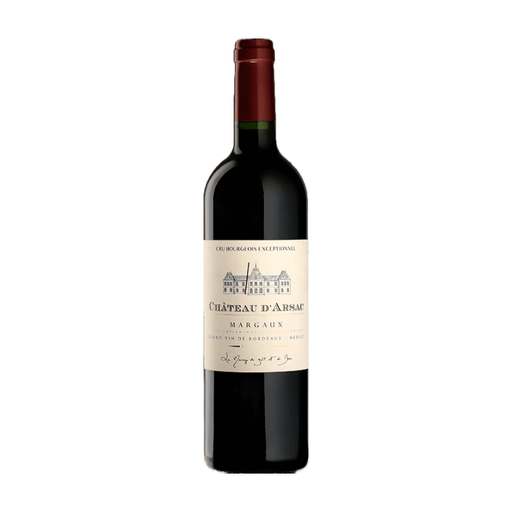
Why it suits this profile : This Margaux appellation Bordeaux is aimed at enthusiasts who want to serve a structured French red at an elegant meal, or give a characterful bottle as a gift.
The appellation, volume and alcohol content are stated. You can therefore compare the bottle using concrete criteria rather than a vague promise.
AOC Margaux, an advertised garnet colour, notes of dark fruit and tannins described as velvety.
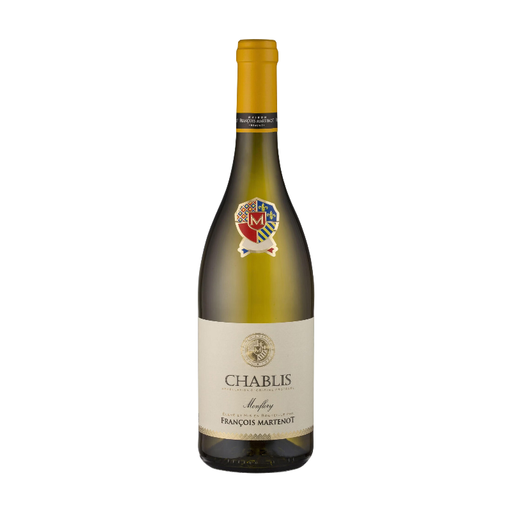
Why it suits this profile : Its lively, lemony profile makes it an easy match for oysters, fish, sushi, poultry in a sauce or cheese.
The suggested pairings let you check how it can be used before buying, rather than relying solely on the name of the region.
AOP Chablis, Chardonnay, 75 cl, with a recommended serving temperature of between 10 and 11 °C according to the product information.
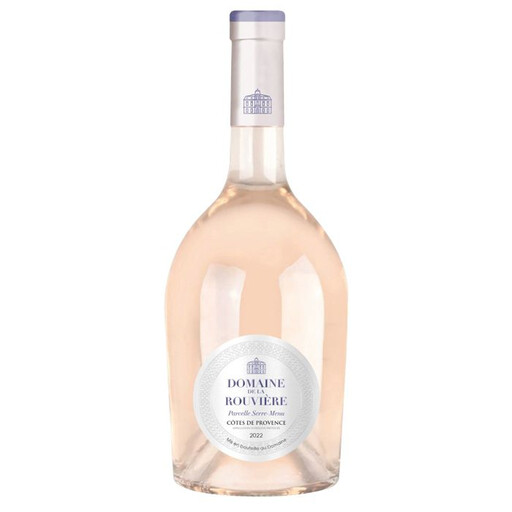
Why it suits this profile : This Provence rosé is a natural choice for aperitifs, salads, barbecued food and meals enjoyed outdoors when temperatures rise.
The serving temperature of 6 to 8 °C and the stated style give you a clear idea of how to enjoy it, rather than reducing it to its pale colour alone.
AOP Côtes de Provence, a blend of Cinsault, Grenache and Syrah, in a 75 cl format.
We have brought together a comprehensive, real-time selection of products that meet these selection criteria and the requirements of European safety regulations.
Start with a style that is easy to pair with food and has a clearly described profile. A white Chardonnay, a Provence rosé or a fruity IGP wine can be a good starting point. For a red, look for references to soft tannins and pairings with dishes you already know.
AOC or AOP is based on a specific geographical area and precise production rules. IGP also indicates a geographical origin, but generally offers greater freedom in the choice of grape varieties and blends. It is better to compare the label information and stated profile than to assume an automatic hierarchy between the two categories.
An opened white or rosé wine will generally keep in the fridge for a short period if it is properly resealed, helping to preserve its freshness. A red can develop more quickly after opening. To avoid waste, choose a 37.5 cl format if you rarely drink wine, particularly for Sauternes or another sweet wine.