
Livraison le jour même ou le lendemain

Qualité garantie

Débloquez vos offres de bienvenue: Livraison GRATUITE | Jusqu'à -80 % | 30 jours d'essai gratuits à JoyPlus
Téléchargez l'application
Buying French wine and champagne online makes it easy to compare appellations without having to make multiple trips. But with inconsistent product descriptions, marketing claims and sometimes overly vague food pairing suggestions, it is not always obvious what you will actually find in your glass.
To avoid disappointment, it is best to focus on practical criteria: the style you are looking for, the origin, the format, the serving temperature and the information shown on the label. This approach works equally well for an aperitif, a meal, a celebration or a gift.
An appellation such as Burgundy, Bordeaux, Provence or the Rhône Valley indicates a production area and a set of rules. However, it is not enough to predict how the wine will taste. The grape variety, vintage, ageing and sweetness level also play a decisive role.
A white Burgundy made from Chardonnay will not have the same profile as a Bourgogne Aligoté. Similarly, a red Bordeaux will generally be more structured than a Provence rosé, while a Rhône Valley wine made with Syrah and Grenache is more likely to suggest ripe fruit and spicy notes.
Descriptions such as ‘elegant’, ‘prestigious’ or ‘generous’ remain subjective. To know what to expect, also check the practical details: 75 cl volume, alcohol content, appellation, grape varieties, allergens, storage conditions and serving temperature.
If the bottle is intended as a gift, also consider the format. A half-bottle of 37.5 cl may be perfectly suitable for a tasting for two, but it will be a little short for accompanying a meal shared by several guests.
Even a well-chosen wine can disappoint if it is served too warm or too cold. The bottle should be stored away from light, excessive humidity and sudden changes in temperature.
A few useful guidelines:
For an aperitif, a fresh white, fruity rosé or brut sparkling wine pairs easily with simple appetisers. With seafood, a Touraine Sauvignon, Aligoté or white Burgundy can work very well. Red meat, game and certain cheeses are better suited to a full-bodied, structured red, such as a Moulin-à-Vent, Saint-Émilion or Lirac.
For dessert, a sweet Sauternes or Barsac provides a welcome touch of sweetness. Prosecco is better suited to a relaxed, sociable occasion, while brut champagne naturally has its place at a reception, a celebratory meal or as a gift.
The presence of sulphites must be clearly stated. Some product descriptions also list authorised additives used during winemaking or stabilisation. These details obviously cannot be used to draw any medical conclusion, but they may help people who need to manage certain food sensitivities.
Also remember to check the alcohol content, net quantity and storage recommendations. Alcohol may only be consumed by adults aged 18 and over and should be enjoyed in moderation. Alcoholic drinks are not recommended during pregnancy and must never be consumed before driving.
A 75 cl bottle will generally serve several glasses, depending on the amount poured. For a reception, estimate the number of guests and take the other drinks being served into account. Conversely, for a small dinner, a smaller format can help avoid waste, particularly with a sweet wine or white port that may not necessarily be finished in one sitting.
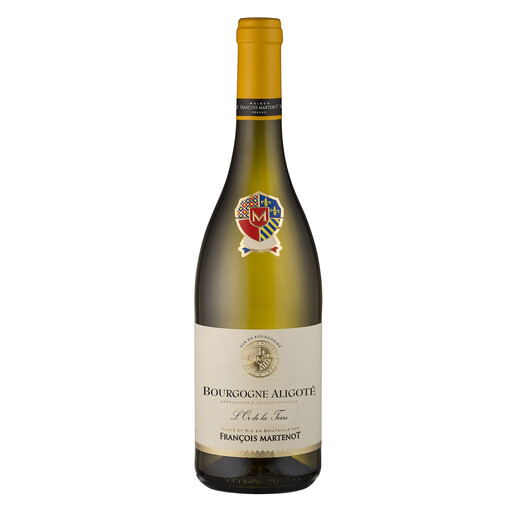
Why this choice suits this profile : Fresh and lively, this white wine pairs just as well with an aperitif as it does with fish and seafood. Its product description is quick to understand, without having to decode endless jargon.
The product description clearly states the Aligoté grape variety, the 75 cl format, the 13% vol. alcohol content and a serving temperature of between 10 and 12 °C.
A fresh profile, clearly stated Burgundy origins and nutritional information provided per 100 ml.
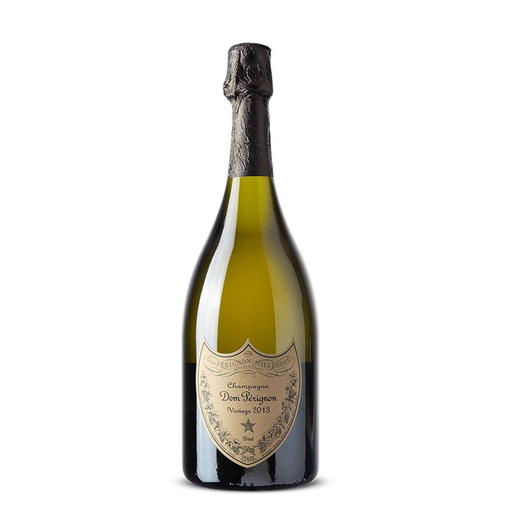
Why this choice suits this profile : This Champagne cuvée embraces its status as a celebratory bottle, focusing on depth, balance and the expression of a single vintage.
The product description clearly states the format, brut style and Champagne origin, rather than relying solely on a promise of prestige.
A 75 cl Champagne cuvée in a brut style, with a presentation that makes it particularly well suited to gifting.
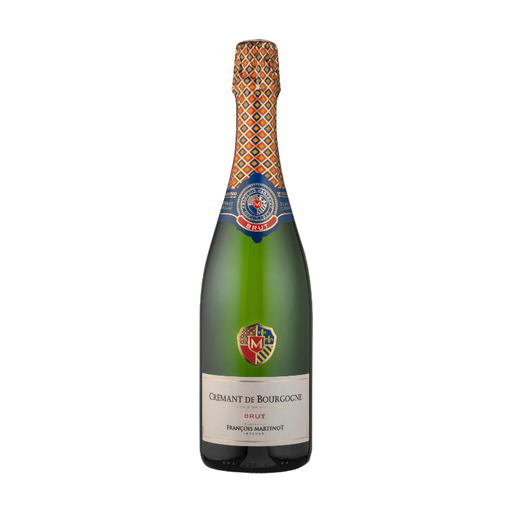
Why this choice suits this profile : Crémant de Bourgogne works just as well with an aperitif as it does with a meal or a get-together with friends. It offers a distinctive sparkling style without trying to imitate champagne.
The AOP appellation, 75 cl format, presence of sulphites and storage conditions are all stated clearly.
Fine bubbles, citrus and floral notes, plus a vegetarian and vegan option mentioned in the product description.
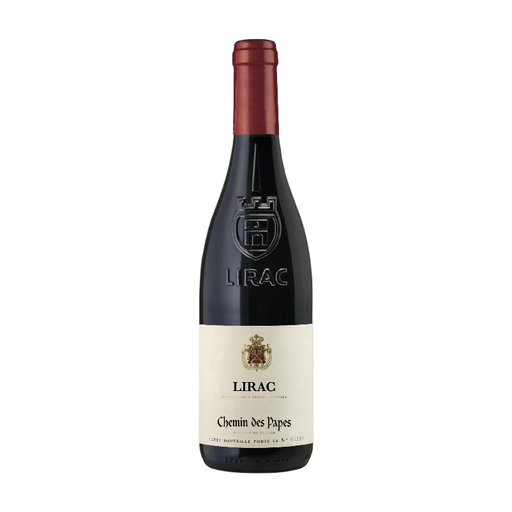
Why this choice suits this profile : Its blend of Syrah and Grenache develops notes of red fruit, spices and herbs. It pairs particularly well with roast lamb, duck or charcuterie.
The product description pairs the wine with specific dishes and details its structure, tannins and aromas, rather than simply making an absolute quality claim.
An AOP Lirac appellation, a Syrah-Grenache blend and detailed pairings for hearty dishes.
We have put together a complete, real-time updated selection of products that meet these selection criteria and European safety requirements.
A fresh white, light rosé or brut sparkling wine is an easy introduction. Start by focusing on the grape variety, appellation, alcohol content and serving temperature. Bourgogne Aligoté, Provence rosé or Crémant de Bourgogne are good ways to discover several styles without limiting yourself to the best-known options.
Champagne is produced in the Champagne region according to precise production rules. Crémant de Bourgogne is a French sparkling wine with its own appellation. Prosecco comes from Italy and is mainly made from the Glera grape variety. These three categories are therefore not interchangeable, even though they can all be served with an aperitif.
A still wine will generally keep for a few days in the fridge, provided it is properly resealed. However, its profile may change quickly. Sparkling wines lose their bubbles faster and are best consumed soon after opening. For white port, the product description may sometimes state a longer storage period, provided it is kept cool and away from light.