
Livraison le jour même ou le lendemain

Qualité garantie

Débloquez vos offres de bienvenue: Livraison GRATUITE | Jusqu'à -80 % | 30 jours d'essai gratuits à JoyPlus
Téléchargez l'application
Buying a 75 cl bottle of French wine may seem straightforward. However, the label does not always tell you everything. Between a renowned appellation, a highlighted grape variety and promises of “good ageing potential”, some bottles may simply push up the price without really matching your tastes or the occasion.
Three mistakes come up time and again:
The appellation is a useful starting point. AOP Bordeaux, AOP Burgundy, Moulin-à-Vent, Pouilly-Fuissé, Margaux, Haut-Médoc and Rhône Valley wine all refer to distinct territories and production rules.
The region generally provides a good indication of the style you can expect:
So do not stop at the name of the region: consider the appellation alongside the grape variety, alcohol content and stated style.
A standard bottle contains 75 cl, or 750 ml. This size is generally suitable for a meal shared by several people, but it does not always correspond to six identical glasses: it all depends on the type of glass and the amount served.
Before making your purchase, check in particular:
Nutritional values are sometimes expressed per 100 ml. They provide a useful indication for comparing several products, but do not replace a careful reading of the label.
Temperature significantly affects how you perceive the fruit, acidity and tannins. A full-bodied red may benefit from being served slightly chilled, while a white is best enjoyed cool, but not ice-cold.
A few easy pairings to remember:
If you are buying wine to build a collection, also check that the temperature is stable, that there is no direct light and that humidity levels are reasonable. For a bottle you plan to drink soon, focus mainly on the style and how well it pairs with your menu.
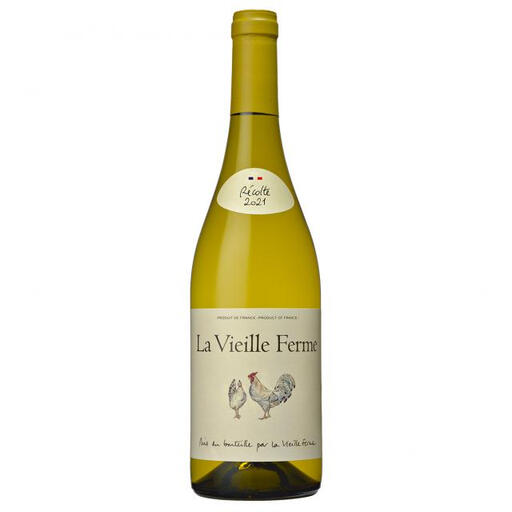
Why this choice suits this profile : This fresh, fruity white works just as well as an aperitif as it does with a simple meal, without requiring specialist knowledge of appellations.
The description clearly mentions white peach, floral and citrus aromas. This gives you an idea of the style before you decide, rather than choosing solely on the basis of price.
75 cl bottle, peach and nectarine notes, pronounced freshness and declared sulphites.
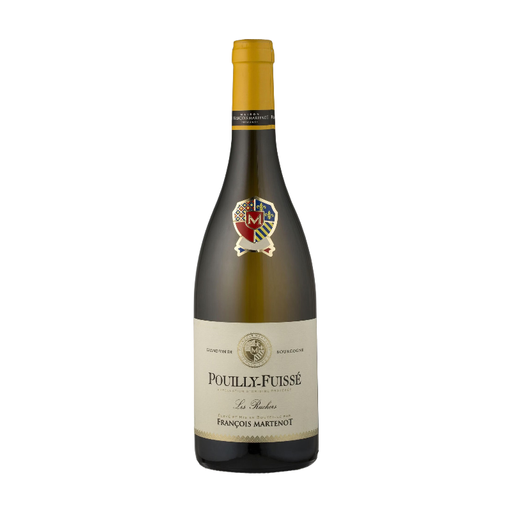
Why this choice suits this profile : This Burgundy appellation is aimed at lovers of rich, lively and persistent whites that can complement a more elaborate meal.
The appellation, the vintage shown on the product page and the recommended pairings are all provided. You are therefore not relying solely on the region’s reputation.
AOP Pouilly-Fuissé, slightly golden colour, fruity and almond notes, with pairings suited to fish, seafood, pasta and white meat.
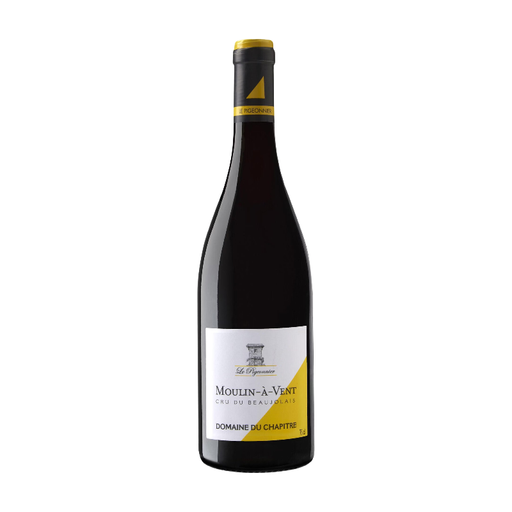
Why this choice suits this profile : Its structured red profile and pairings with red meat, game and cheese make it suitable for hearty meals and a small wine collection.
The product page details the colour, aromas, tannins and storage conditions. This allows you to check that it suits both your collection and your menu.
AOP Moulin-à-Vent, fine tannins, velvety texture and declared sulphites and stabilising agents.
We have brought together a complete selection, updated in real time, of products that meet these exacting criteria as well as European safety requirements.
If you plan to drink your 750 ml bottle of wine soon, store it in a cool, dry place away from light. Keep it away from sources of heat, vibrations and significant temperature fluctuations.
Adapt the serving method to the red’s structure: a soft, easy-drinking wine can be served slightly chilled, while a tannic red will benefit from a few minutes of aeration. Whites should remain cool, but a temperature that is too low may mask their aromas.
An opened bottle will keep for less time. Reseal it carefully and place it in the fridge, including when it is a partially finished white. For a red, take it out a little before serving again so that it can gradually regain its aromas.
Depending on the amount poured, you can generally expect five to six tasting glasses. If you serve more generous measures, this number will naturally decrease. For a larger dinner, plan on several bottles rather than filling the glasses to the brim.
An AOP wine complies with specifications linked to a geographical area and defined production practices. A French wine without an appellation can offer a wide variety of styles, but its label may provide less information about the territory or production methods. In both cases, the grape variety, alcohol content and food pairings remain useful indicators.
It all depends on the wine, vintage, closure and storage conditions. Wines designed to be drunk young are generally best enjoyed without waiting. More structured wines may sometimes develop over several years, provided they are kept in a stable environment and according to the information on the product page. Alcohol consumption is reserved for adults and is not recommended during pregnancy.