
Livraison le jour même ou le lendemain

Qualité garantie

Débloquez vos offres de bienvenue: Livraison GRATUITE | Jusqu'à -80 % | 30 jours d'essai gratuits à JoyPlus
Téléchargez l'application
Choosing a French white wine seems simple enough… until you have to decide between an appellation, a grape variety, a vintage, a bottle size and a food pairing. Product descriptions often talk about freshness, minerality or richness, without always explaining what these terms actually mean in the glass.
To avoid picking the wrong bottle, three common mistakes keep cropping up:
A dry white wine contains little perceptible residual sugar. It typically goes well with seafood, fish, poultry and goat’s cheese. Profiles dominated by Sauvignon Blanc or by a lightly oaked Chardonnay often bring citrus, white flowers and a pleasant sense of freshness to mind.
A sweet white wine stands out for its more noticeable sweetness on the palate. Sauternes and Barsac, made mainly from Sémillon, Sauvignon Blanc and Muscadelle, are a natural match for foie gras, certain blue cheeses or a lightly sweet dessert. Their richness comes through best when served chilled.
Crémant de Bourgogne, on the other hand, is all about bubbles and versatility, especially as an aperitif. You don’t choose it the same way as a still wine: the pressure, the liveliness and the dosage make a real difference to how it feels in the mouth.
The appellation sets a geographical framework and production rules. However, it doesn’t tell you everything about a bottle’s character.
The label also shows the volume, alcohol content, allergens and storage conditions. The bottles featured here indicate the presence of sulphites: anyone affected should take note.
A 75 cl bottle is usually right for a shared meal. The 37.5 cl format, meanwhile, lets you serve a sweet wine without opening a large bottle. To preserve its aromas, keep the wine away from heat, humidity and light.
Serving temperature depends on the style: dry whites and sparkling wines are best enjoyed chilled, but a wine served too cold can taste closed and less aromatic.
When buying online, also check the seller, the product description, the origin, the volume supplied and any delivery conditions. Alcohol consumption is for adults only and is not recommended during pregnancy, even in small amounts.
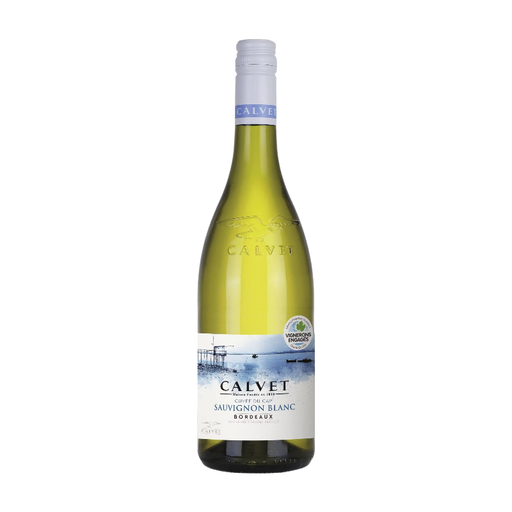
Why this choice suits this profile: Its 100% Sauvignon Blanc composition and fresh profile offer an accessible first step into white Bordeaux, with easy-to-identify aromatic markers.
The product page clearly states the grape variety, the 75 cl volume and the 11.5% alcohol content, rather than relying solely on a prestigious appellation.
Sauvignon Blanc, floral and fruity notes, ideal as an aperitif, with seafood or certain Asian dishes.
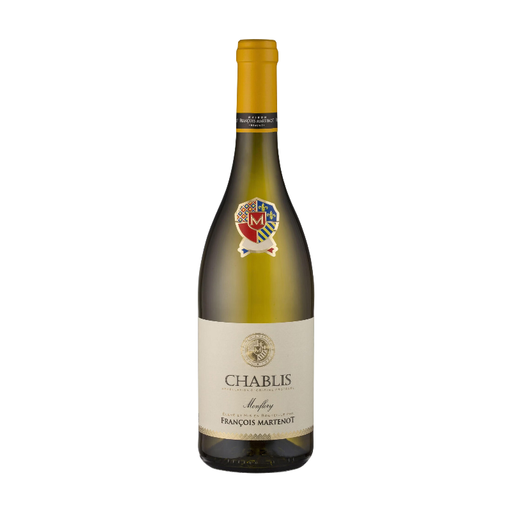
Why this choice suits this profile: Its tension and lemony finish work particularly well when the wine needs to accompany several fish courses, seafood or white meats.
The appellation, volume, serving advice between 10 and 11°C and food pairings are all clearly indicated.
Mineral profile, white fruit nose, fresh finish and suggested pairings with warm oysters, fish in sauce, sushi and Comté cheese.
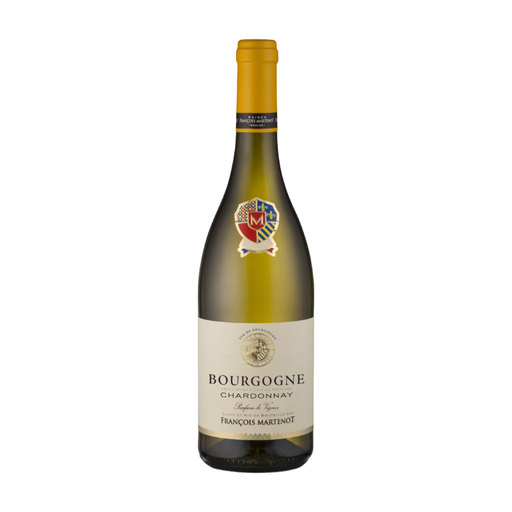
Why this choice suits this profile: Its floral, fruity and slightly buttery profile works just as well as an aperitif as it does with white meats and vegetarian dishes.
The product page details the colour, aromas and tasting occasions. That helps you tell a supple Chardonnay apart from a white with sharper minerality.
AOP Bourgogne, Chardonnay, notes of peach, white flowers and almond, with a supple texture.
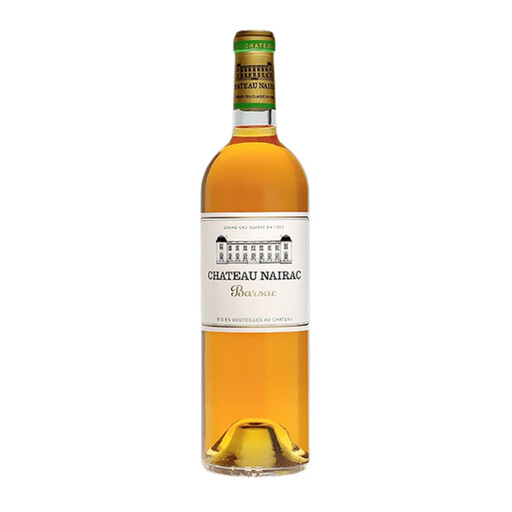
Why this choice suits this profile: This half-bottle of Barsac is ideal for a dedicated tasting, as a gift, or paired with a dessert and a blue cheese.
The sweet style, the 37.5 cl format, the 14% alcohol content and the serving temperature of 8 to 10°C are all clearly stated.
Promised notes of candied fruit, honey, acacia and vanilla, backed by a round and fresh palate.
We’ve put together a comprehensive, real-time updated selection of products that meet these exacting criteria, in line with European safety regulations.
A Sauvignon Blanc from Bordeaux or a Bourgogne Chardonnay makes a good starting point. Still, do check the style indicated on the product page: the grape variety alone won’t tell you everything about the wine’s texture.
A still white wine can generally be kept for a few days in the fridge, as long as you use a suitable stopper. A Crémant will lose its bubbles more quickly. The length of time depends on the wine’s style, how full the bottle is and how effective the closure is.
The price varies depending on the appellation, the producer, the bottle size and the vintage. Compare the concrete details — volume, alcohol content, appellation, grape variety and storage conditions — rather than relying solely on a flattering mention on the label.