
Livraison le jour même ou le lendemain

Qualité garantie

Débloquez vos offres de bienvenue: Livraison GRATUITE | Jusqu'à -80 % | 30 jours d'essai gratuits à JoyPlus
Téléchargez l'application
Buying a French white wine sounds simple… until you have to weigh up appellations, grape varieties, sweetness levels and bottle sizes. A Chablis is in a different category from a Sauternes, while a Languedoc Chardonnay is often rounder and more aromatic.
To avoid disappointment when buying white wine online, it is best not to rely solely on an attractive label or claims such as “fruity”, “premium” or “exceptionally fresh”. Here are the criteria that really matter, followed by a selection suited to different preferences and occasions.
A white wine can suggest peach, mango or citrus while remaining completely dry. Fruity aromas do not necessarily mean that the wine contains a high level of residual sugar.
To help you choose, look for a clear indication of the style:
An appellation such as Chablis, Pouilly-Fuissé or Mâcon-Villages provides information about the wine’s origin and production rules, but it cannot, by itself, tell you exactly how it will taste. The vintage, producer, maturation and serving temperature can also change the experience.
Take the time to read the product description. Mentions of citrus, white flowers, buttery notes, minerality or candied fruit will help you find a bottle that genuinely matches your tastes.
The standard size of a 75 cl white wine is generally suitable for a meal or several guests. For dinner for two or an occasional tasting, a 37.5 cl half-bottle can help you avoid waste.
When your bottle arrives, store it away from light, heat and humidity, somewhere with a relatively stable temperature. White wine should be served chilled, but not ice-cold: a temperature that is too low can mask its aromas.
The grape variety gives you an initial indication of the wine’s character:
A Touraine or Bordeaux Sauvignon blanc will work well as an aperitif or with seafood. A Pays d’Oc Chardonnay or a Pouilly-Fuissé is more naturally suited to fish in sauce, poultry and creamy dishes.
An AOP or AOC is governed by precise geographical and winemaking specifications. An IGP generally allows more freedom when it comes to grape varieties and style. These categories do not represent a universal quality ranking: they primarily help you understand the wine’s origin and production framework.
Also check the mandatory information: net volume, alcohol content, allergens and storage conditions. The products featured here indicate the presence of sulphites whenever this information appears in their product description.
To create a successful food and wine pairing, try to match the intensity of the dish with that of the wine:
The temperature shown in the product description remains the best guide. As a general rule, a dry white should be served chilled, while a sweet wine should not be too cold, so that it retains its full range of aromas.
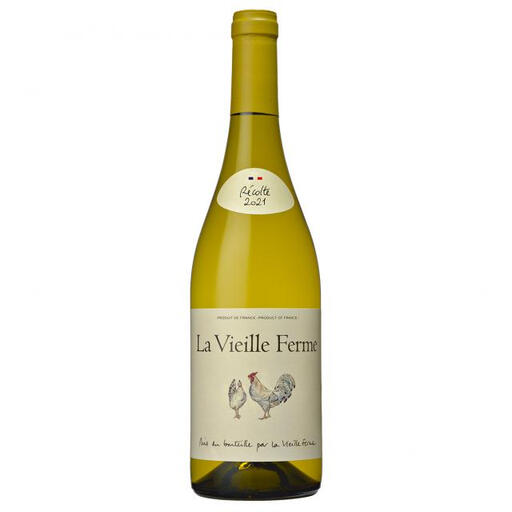
Why this choice suits this profile : With its 75 cl format and fresh, floral profile, marked by white peach, this bottle is just as suitable for an aperitif as it is for an everyday meal.
The product description details the aromas and highlights the presence of sulphites, rather than relying solely on vague claims of elegance.
75 cl, white peach and floral notes, with a fresh, saline finish.
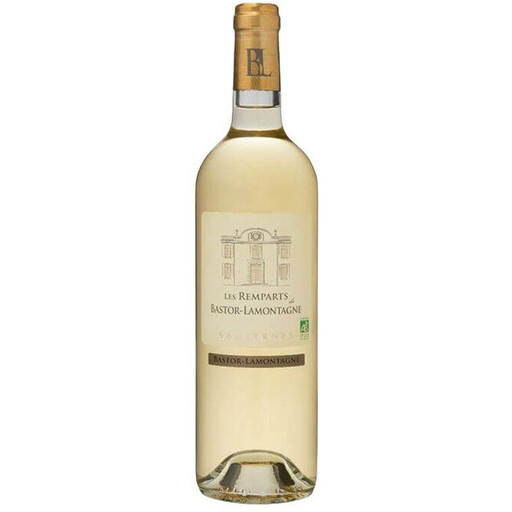
Why this choice suits this profile : Presented in a half-bottle, this Sauternes is ideal for a special occasion, a gift or a fruity dessert.
The 37.5 cl format means you do not have to open a full-size bottle when you only want to serve a few glasses.
AOC Sauternes, organic designation shown, blend of Sémillon and Sauvignon blanc, with serving recommended between 8 and 10 °C.
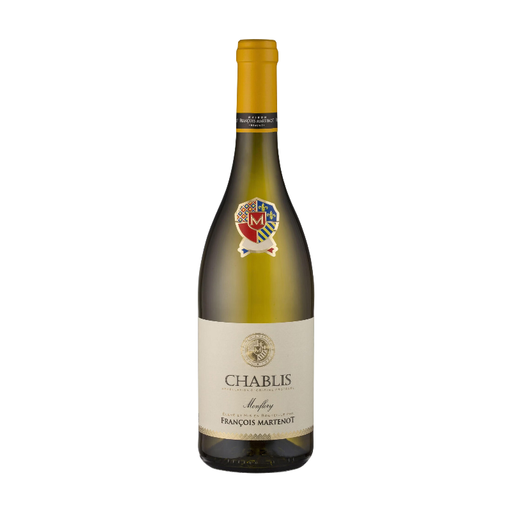
Why this choice suits this profile : Dry, lemony and mineral, this Chablis pairs well with seafood, fish, sushi and poultry in sauce.
The description specifies recommended dishes, the aromatic profile, the volume and the serving temperature.
AOP Chablis, Chardonnay grape variety, fresh, lemony finish, energy value listed at 73 kcal per 100 ml.
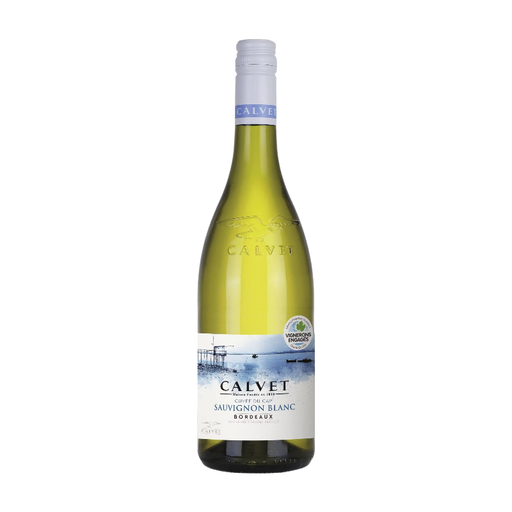
Why this choice suits this profile : Made from Sauvignon blanc, this Bordeaux white is enjoyable as an aperitif, with seafood or alongside Asian-inspired dishes.
The appellation, grape variety, 75 cl format and strength of 11.5 % vol. are clearly shown in the product description.
Exotic fruit and citrus aromas, fresh finish, allergens clearly stated.
A Sauvignon blanc, Bordeaux white or a smooth, fruity white wine is often a good place to start. If you enjoy fresh wines, look for profiles marked by citrus and white flowers. For a rounder palate, look for descriptions such as “full-bodied”, “velvety” or “yellow fruit”.
These Burgundian appellations are based primarily on Chardonnay, but their profiles can vary considerably. Chablis is often associated with a fresh, mineral expression. Mâcon-Villages works well as an aperitif, with fish and poultry. Pouilly-Fuissé is generally sought after for its fuller texture and fruity range, sometimes lifted by almond notes.
Reseal the bottle with a suitable stopper and place it in the fridge. To preserve its aromas as well as possible, it is best to drink it within the following few days. Always follow the storage instructions shown on the label.
The sale of alcohol is restricted to adults. Excessive alcohol consumption is harmful to health. Drinking alcohol during pregnancy can have serious consequences for the child’s health. Drink responsibly.