
Livraison le jour même ou le lendemain

Qualité garantie

Débloquez vos offres de bienvenue: Livraison GRATUITE | Jusqu'à -80 % | 30 jours d'essai gratuits à JoyPlus
Téléchargez l'application
French whisky is no longer a curiosity; it's a category in its own right, captivating an ever-growing number of enthusiasts. Thanks to a historic expertise in distillation and privileged access to exceptional casks, France is producing spirits with a distinct character. But this boom also comes with its share of clever marketing and vague labelling. To help you navigate this landscape and make the right choice, here are the pitfalls to avoid and the essential criteria to check before you buy.
With a rapidly expanding market, finding your way can quickly become a challenge. Here are three common pitfalls that can lead to disappointment or an unwise purchase.
To guide you toward a bottle that lives up to its promise, focus on these three fundamental aspects.
Unlike Scotland with its very strict regulations, France offers distillers great freedom, paving the way for innovation. One of the most remarkable signatures is the French triple malt. Be aware, this is not a blend in the Scottish sense, but rather an assembly of Single Malt whiskies from three different French distilleries. This unique method creates a complex and balanced aromatic profile—a true tour of France's diverse expertise. The house of Bellevoye, for example, has made this its emblem, selecting distillates from regions like Alsace, Lorraine, the North, and Charente.
Maturation is the stage that forges a whisky's character. In France, the quintessential land of wine, distilleries enjoy privileged access to an incredible array of casks. A whisky finished in a Sauternes cask will develop honeyed, apricot notes with a beautiful roundness, while time in a Bordeaux Grand Cru cask will impart structure, red fruit notes, and silky tannins. Pay close attention to the information about the cask type and the length of the finishing period?: they are the key to anticipating the bottle's aromatic profile.
No, peat is not exclusive to Scotland! Peated French whisky is gaining popularity, with smoky expressions that are often more delicate and better integrated than their Islay cousins. Sourced from local deposits, French peat can impart more vegetal or ashy smoke notes, which are highly distinctive. Whether you're a fan of smoke or prefer a purely fruity and cereal-driven profile, this criterion is obviously decisive.
To illustrate these criteria, here are a few recommended gems, each suited to a different type of enthusiast.
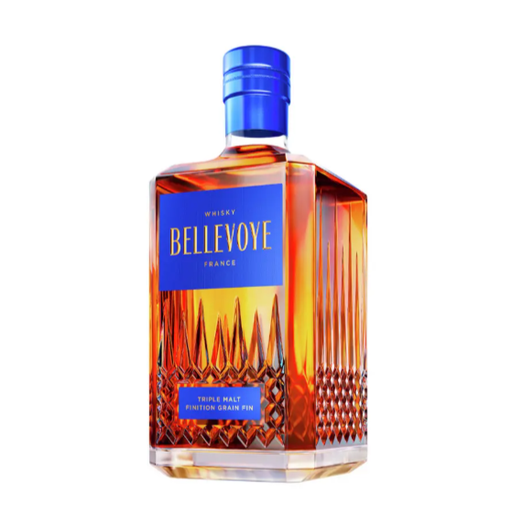
Why this choice? The ideal gateway into the world of French whisky. It embodies balance and elegance, without the power of peat, making it perfect for discovering the finesse of the triple malt.
The "100% French" claim is more than just a label. This is the first whisky to be marketed as a Triple Malt, blended from single malts from three distinct regions. A guarantee of authenticity.
An unpeated, elegant, and harmonious profile. A very accessible synthesis of French craftsmanship.
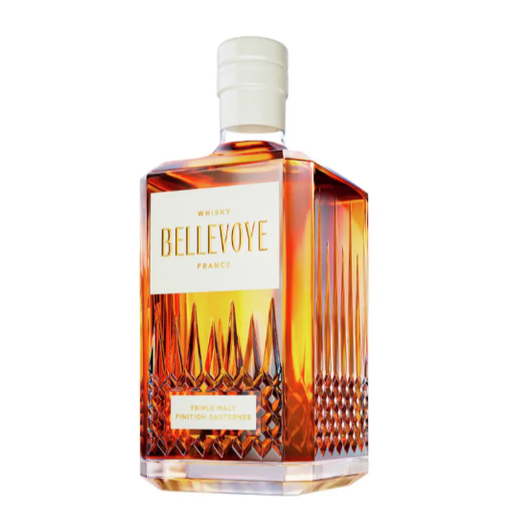
Why this choice? For those who appreciate the complexity of great sweet wines. This whisky is a fascinating bridge between the world of wine and the world of spirits, with an unapologetically indulgent character.
The finish is much more than a marketing ploy. The mention of a "several month" maturation in Sauternes casks indicates a controlled process aimed at imparting a true aromatic signature.
Remarkable roundness and aromatic elegance. The honeyed, luscious signature of Sauternes is perfectly recognisable.
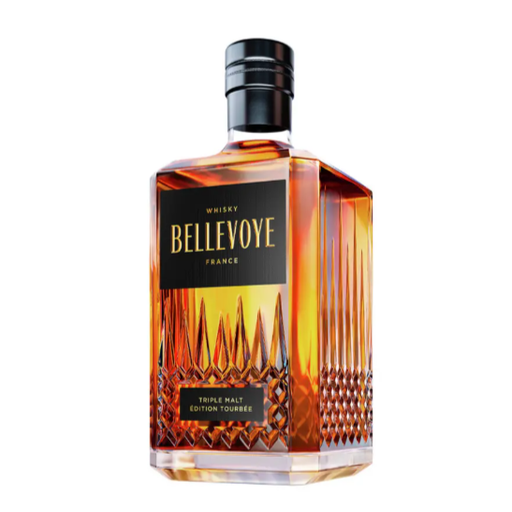
Why this choice? For fans of intense flavours and smoky profiles who are curious to discover the French interpretation of peat. A characterful whisky that leaves no one indifferent.
The house plays the transparency card. It is clearly stated that this is a blend of three peated single malts (from Lorraine, Alsace, and the North). The intention is not to ride a trend, but to create a great peated whisky.
A powerful and charismatic peated expression. Proof that French craftsmanship also excels in this demanding category.
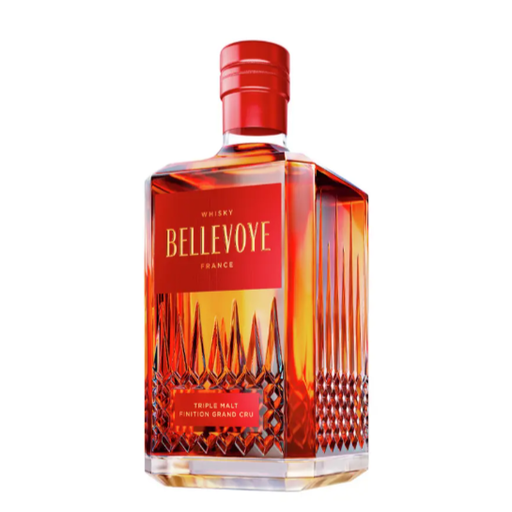
Why this choice? More than just a bottle, this is a gift that tells a story: the meeting of whisky and France's greatest wine terroirs. Its complex profile and prestigious finish make it a particularly refined choice.
The mention of "Bordeaux Grand Cru Classé casks" is a precise marker of quality, light-years away from a vague "red wine cask" finish. This demonstrates a true pursuit of excellence.
A unique aromatic depth, marked by wine-like notes, a powerful structure, and great elegance. The light touch of peat adds a welcome complexity.
The world of French spirits is vast and exciting. To delve deeper, discover our selection of products that all meet strict criteria for quality and authenticity.
The biggest difference is freedom! While Scotch whisky is governed by very strict rules (the famous Scotch Whisky Act), French producers are not constrained by such a rigid set of specifications. The result is unbridled creativity. This includes the use of various grains (barley, wheat, rye, buckwheat...), stills of all shapes and sizes, and above all, a unique signature achieved through maturation in an incredible array of French wine and spirit casks (Cognac, Armagnac, Calvados, etc.). This allows for the creation of absolutely unique aromatic profiles.
Not necessarily. The price depends on many factors: the age of the whisky, the rarity of the casks, the production volume, and also the brand's marketing. To find a true gem, rely on the criteria we've listed (origin, maturation, profile) rather than on the price tag alone.
For an optimal tasting experience, use a tulip-shaped glass, which concentrates the aromas towards the nose. Start by nosing it, then taste it neat. Next, don't hesitate to add a drop or two of still spring water. This simple step helps to "open up" the whisky: it releases the aromas and can soften the alcohol sensation, revealing new facets. What about ice? It's a matter of personal taste, but keep in mind that intense cold can numb the taste buds and mask much of the aromatic complexity. Use it sparingly.