
Livraison le jour même ou le lendemain

Qualité garantie

Débloquez vos offres de bienvenue: Livraison GRATUITE | Jusqu'à -80 % | 30 jours d'essai gratuits à JoyPlus
Téléchargez l'application
Buying French spirits online gives you access to a vast selection of liqueurs, gins, cognacs, wines and beers. But a pretty label or the simple mention of "premium" isn't enough to make the right choice. The alcohol content, bottle size, origin and intended use will all have a direct impact on your satisfaction.
This selection is intended exclusively for adults aged 18 and over. Alcohol consumption should be enjoyed in moderation. Alcohol is not recommended during pregnancy and should never be combined with driving.
A French brand doesn't necessarily mean that every stage of production takes place in France. Read the product description carefully and check the country of origin, the region, the manufacturer and the address of the EU responsible party. A cognac must come from the Cognac region, while a Normandy calvados is tied to Normandy and made by distilling ciders or perries.
A high alcohol content doesn't guarantee a richer or more interesting drinking experience. A pastis at 45% ABV, a cognac at 40% ABV and a liqueur at 20% ABV all serve different purposes. The strength should be considered alongside how you plan to serve it: neat, on ice, diluted with water or mixed into cocktail ideas.
A 50cl bottle can be ideal for discovering a French liqueur, while a 70cl or one-litre format is more practical for entertaining. After opening, seal the bottle tightly and store it away from heat and light. The information on the label should always take priority, especially regarding the best-before date and allergens.
Start by deciding which family of drinks interests you:
The ingredients list also helps you identify added sugar, sulphites or certain allergens, such as the gluten found in many beers.
The alcohol content is shown as a percentage by volume. A strawberry liqueur at 20% ABV will be softer and fruitier than a gin at 44% ABV. A cognac at 40% ABV can be enjoyed neat, on ice or in a cocktail. Ricard at 45% ABV is typically served diluted with cold water, according to personal preference.
For a gift or occasional tasting, a 50cl or 70cl bottle reduces the risk of leaving it open for too long. If you regularly make cocktails or need to accompany a large meal, a one-litre bottle or a multipack of beers may be more practical. Always compare the actual volume before comparing prices.
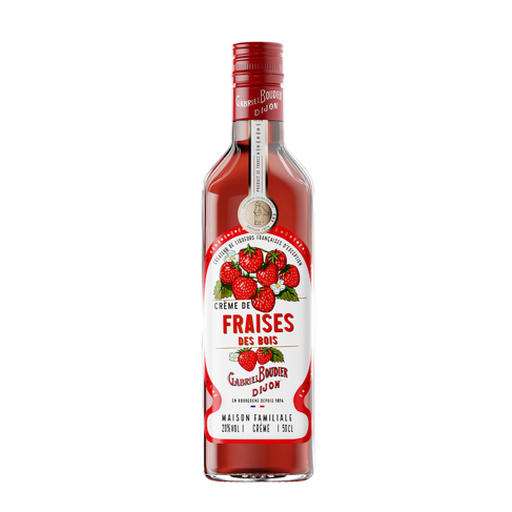
Why this suits this profile: Its fruity character and 20% ABV make it a gentle introduction to French liqueur without starting with a high-strength spirit. It can be served chilled, on ice or used in a simple cocktail.
The product page clearly states the 700ml volume, 20% ABV and French origin – all details that prevent you from choosing based on appearance alone.
Strawberry maceration, ruby red colour, floral and indulgent notes, with no declared allergens.
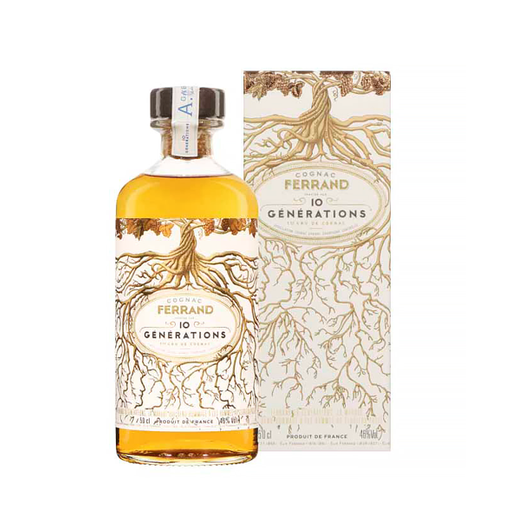
Why this suits this profile: This Grande Champagne cognac is aimed at connoisseurs who want a tasting experience to savour, with notes of candied fruit, nuts and white flowers.
The origin, cru, 46% ABV and 50cl volume are all clearly stated. The choice isn't based on a vague promise of prestige.
100% Ugni Blanc, aged in French oak barrels and featuring Sauternes casks according to the product description.
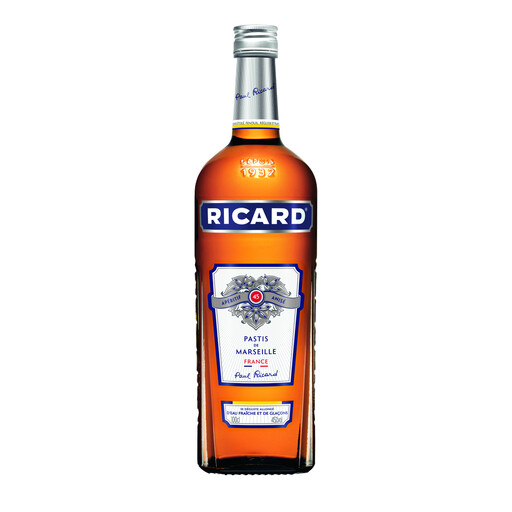
Why this suits this profile: The one-litre format is ideal for households that regularly serve an aniseed aperitif and want to enjoy a familiar serving ritual.
The product page details the ABV, volume, ingredients, allergens and storage conditions both before and after opening.
A blend of star anise, liquorice and aromatic plants, with origin stated as Provence.
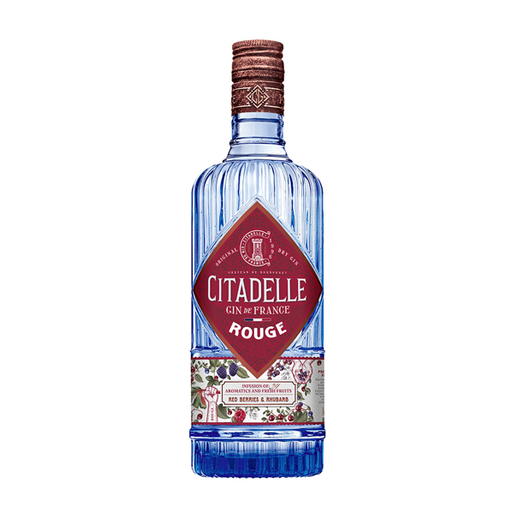
Why this suits this profile: Its botanicals and red berries make it perfect for a gin and tonic or a cocktail with real aromatic character.
The stated composition mentions 24 botanicals and confirms no added colourings or sugar, giving you concrete reference points when choosing.
Rhubarb, cranberry, raspberry, blackcurrant and blackberry, with a finish described as fresh and tangy.
We've put together a comprehensive, real-time updated list of products that meet these strict selection criteria and comply with European safety regulations.
An orange liqueur, a fruit liqueur or a French gin are often good starting points, as they work in many recipes. It all depends on the flavour profile you're after: citrus with Cointreau, red berries with Citadelle Rouge or floral notes with an elderflower liqueur.
Read the product description, then check the label when it arrives. Verify the manufacturer, country of origin, volume, alcohol content, ingredients, allergens and the contact details of the EU responsible party. For appellations like cognac or calvados, the geographical origin is a key factor.
The shelf life depends on the category and the recommendations on the packaging. Spirits and liqueurs should be tightly sealed, stored upright and kept away from heat and sunlight. An opened wine or beer generally evolves more quickly. Always follow the manufacturer's instructions and enjoy responsibly.