
Livraison le jour même ou le lendemain

Qualité garantie

Débloquez vos offres de bienvenue: Livraison GRATUITE | Jusqu'à -80 % | 30 jours d'essai gratuits à JoyPlus
Téléchargez l'application
Buying French spirits online makes it easy to compare a wide range of products. But with appealing claims, so-called traditional recipes and various formats to choose from, finding the right bottle is not always straightforward.
Three common pitfalls to avoid:
The percentage shown in % vol. is a simple, practical guide. Unsweetened spirits, such as cognac or French gin, are often around 40° or higher. French liqueurs generally have a more moderate strength, with a smoother texture and more pronounced sweetness.
As a guide:
Alcohol content alone is not enough to judge a bottle’s quality or aromatic complexity. It should be considered alongside how you intend to use it.
The best place to start is by defining the profile you are looking for: aniseed, fruity, floral, woody, spicy or citrusy.
Pastis de Marseille is generally based on notes of anise and liquorice. Crème de cassis or blackberry liqueur brings more fruit and sweetness. An orange liqueur can form the basis of a Margarita, Sidecar or another classic cocktail. When choosing a gin, check the botanicals used: juniper, citrus, spices, flowers or red berries.
The ingredients list can also provide useful information:
These details are often more informative than a vague claim such as “authentic recipe”, which says little about how the drink will actually taste once poured.
The volume should match how often you plan to drink it. Bottles of 50 to 70 cl are well suited to trying a product or occasional use. A one-litre format is better for family drinks or preparing cocktails regularly.
Once opened, store the bottle upright, tightly sealed, in a dry place away from light. For fruit liqueurs, carefully follow the storage recommendations shown on the packaging. Beer sold in multipacks, such as Kronenbourg 1664 Blonde, also requires enough storage space and is generally best served well chilled.
All alcoholic drinks presented here are intended for people aged 18 and over only. Alcohol should be consumed in moderation. It is not recommended during pregnancy and must not be offered to anyone under 18.
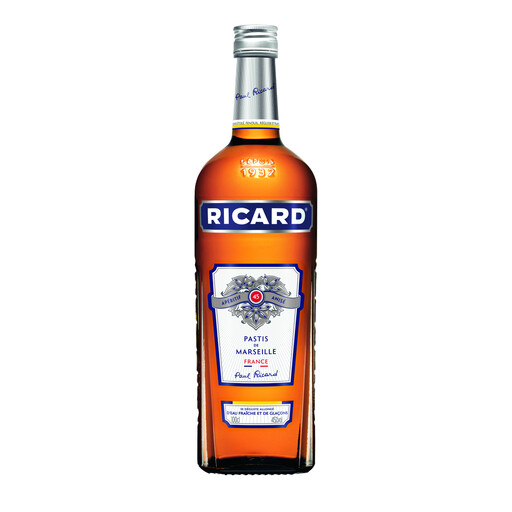
Why it suits this profile : Its one-litre format is ideal for an aperitif. Its aniseed and liquorice profile also makes it easy to identify the classic style of a pastis de Marseille.
The alcohol content, volume, origin and storage conditions are clearly stated. Your choice therefore does not rely solely on marketing claims.
45 % vol., 1 L bottle, made in France, with notes of anise, liquorice and aromatic herbs.
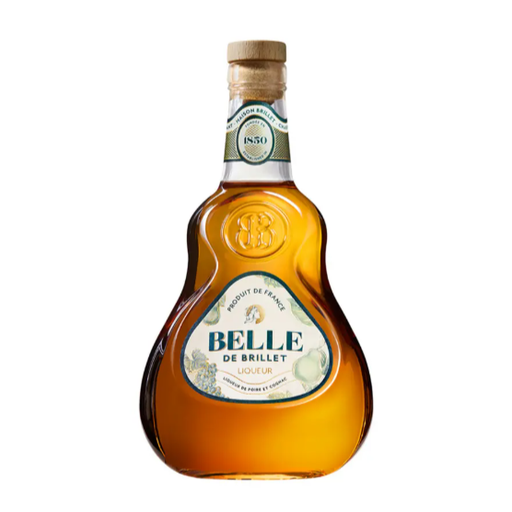
Why it suits this profile : This liqueur combines Williams pear eau-de-vie with cognac, in a presentation equally suited to careful tasting and sophisticated cocktails.
The product details specify the proportion of pear and cognac, the 30 % vol. strength, and the stated absence of flavourings, caramel, colourings and neutral alcohol.
70 cl, Williams pears from Anjou according to the product details, pear-and-cognac combination and fresh vanilla notes.
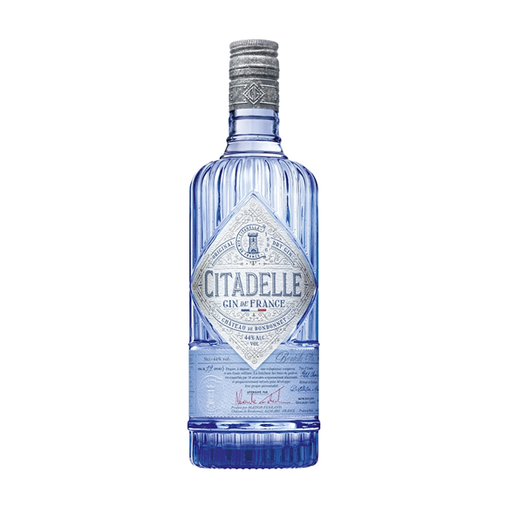
Why it suits this profile : Its notes of juniper, citrus, flowers and spices work equally well in a gin and tonic or a wide range of cocktails.
The product details list 19 botanicals, a France/Poitou-Charentes origin, 44 % vol. and precise serving suggestions with tonic, cucumber or lemon.
Detailed recipe, versatile flavour profile and 70 cl format suited to regular use.
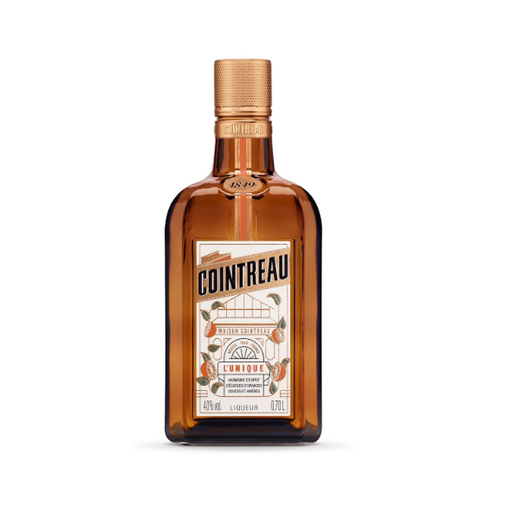
Why it suits this profile : Its sweet and bitter orange peel notes are a natural fit for a Cointreau Fizz, Margarita, Cosmopolitan or many other cocktails.
The ingredients list includes alcohol, sugar and orange peel. The strength and format are also clearly stated.
40 % vol., 70 cl bottle, made in Angers according to the product details, with a citrus profile perfectly suited to mixology.
We have put together a complete, real-time updated list of products that meet these demanding selection criteria and European safety regulations.
An 18 or 20° liqueur is often an accessible way to discover fruity or floral profiles. Pastis is better suited to those who enjoy anise and liquorice. For making cocktails, an orange liqueur or French gin offers more possibilities.
Shelf life depends on the type of drink, its sugar content, alcohol strength and storage conditions. Always reseal the bottle carefully and keep it upright, at a stable temperature, in a dark, dry place. Check the label for the storage recommendations specific to each product.
Flavours may change after opening. It is therefore best not to leave an opened bottle sitting around for years if you do not plan to drink it.
French cognac is a wine-based eau-de-vie produced in a regulated area around Cognac. Normandy calvados is made from cider or perry, with a profile often dominated by apple, pear and spices.
A liqueur generally combines alcohol, sugar and flavouring ingredients such as fruit, flowers or citrus. Your choice therefore depends as much on the profile you are looking for as on the occasion and how you intend to enjoy it.