
Livraison le jour même ou le lendemain

Qualité garantie

Débloquez vos offres de bienvenue: Livraison GRATUITE | Jusqu'à -80 % | 30 jours d'essai gratuits à JoyPlus
Téléchargez l'application
A French rosé wine can accompany an aperitif, a barbecue, a light meal or a special occasion. But buying online is not always as straightforward as it seems: a pale colour does not guarantee a particular style, the term “fruity” remains fairly vague and the bottle size alone says nothing about its quality.
Here are the key criteria to consider before ordering, along with a selection of bottles suited to different preferences and occasions.
A very pale rosé often brings Provence rosé to mind, but its colour depends on the winemaking process, the grape varieties used and the vintage. On its own, it therefore cannot tell you how acidic, rounded or aromatic the wine will be.
To get a better idea of what you will find in the glass, look instead at the tasting notes provided: citrus, red fruit, floral notes, freshness or even the mouthfeel.
A bottle bearing the Côtes de Provence appellation meets specifications relating to its origin and production. This does not mean that all wines from the appellation have the same profile. Blends of Grenache, Cinsault, Syrah or Rolle can produce very different results.
The appellation is therefore a useful reference point, but it should be considered alongside the alcohol content, stated aromas and the occasion for which you plan to serve the wine.
A rosé with an alcohol content of 12.5 or 13% vol. is not drunk like a 0% sparkling drink. Before ordering, check the label, the ingredients list and whether sulphites are present, as this must be stated when the product contains them.
If you are looking for an alcohol-free alternative, always check for the 0% vol. statement: some sparkling or flavoured rosé drinks still contain a small amount of alcohol.
To recreate a Provençal style, blends based on Grenache, Cinsault and Syrah are very common. A Côtes de Provence AOP can be a good choice if you enjoy fresh, delicate rosés with citrus or small red-fruit notes.
Bordeaux and Burgundy wines offer different profiles. A Bordeaux rosé can be light and fruity, while a Burgundy rosé Crémant brings bubbles and a distinctly different structure.
A still rosé naturally fits the bill for an aperitif, with a salad, grilled dishes or summer food. A sparkling rosé wine is better suited to a reception, brunch or a fruit dessert.
To distinguish between the main categories of sparkling wine, remember that:
Your choice therefore depends on the origin, of course, but also on your budget and the occasion.
A 75 cl bottle of rosé wine provides approximately six 12.5 cl glasses. For a dinner with several guests, adjust the quantity according to the number of people and the other drinks being served.
The serving temperature shown on the product page is a useful guide: several still rosés in this selection are best enjoyed at around 6 to 10 °C, while some sparkling wines are recommended between 8 and 12 °C. Keep bottles away from heat, humidity and light, then refer to the label for information specific to the batch.
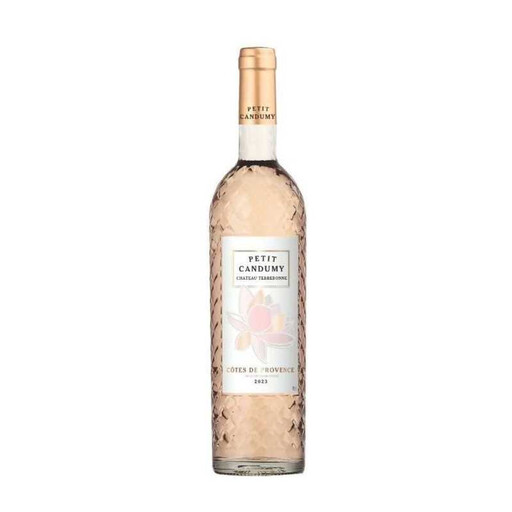
Why this choice suits this profile : With its 75 cl format and Provençal style, this bottle makes it easy to discover a fresh rosé without getting lost in a long list of technical criteria. It works equally well with an aperitif or a summer meal.
The product page clearly states the Côtes de Provence appellation, the Grenache, Cinsault and Syrah grape varieties, and an alcohol content of 12.5 % vol.
A pale colour, stated red-fruit and citrus notes, a fresh finish and a 75 cl format.
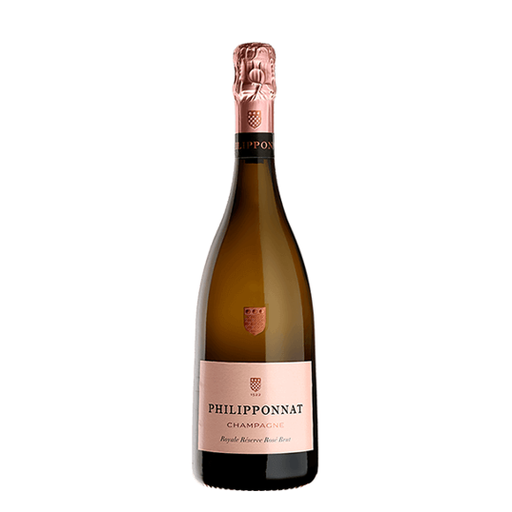
Why this choice suits this profile : This bottle is ideal for those looking for a rosé Champagne with fine bubbles and red-fruit aromas for a celebration or as a gift for adults.
The product page details the stated grape varieties: 75 % Pinot Noir, 20 % Chardonnay and 5 % Pinot Meunier.
A salmon-pink colour and a fine, persistent mousse, with notes of cherry, wild strawberry and citrus.
Why this choice suits this profile : Its stated 0 % vol. makes it an appealing option for serving an alcohol-free rosé at an aperitif, reception or as part of an alcohol-free lifestyle.
The product page specifies that it contains no alcohol, is of French origin and should be served at 8 to 10 °C. Always check the labelling when the product arrives.
A French sparkling wine made from a stated blend of Grenache Noir, Syrah and Rolle, with lemon and red-fruit aromas.
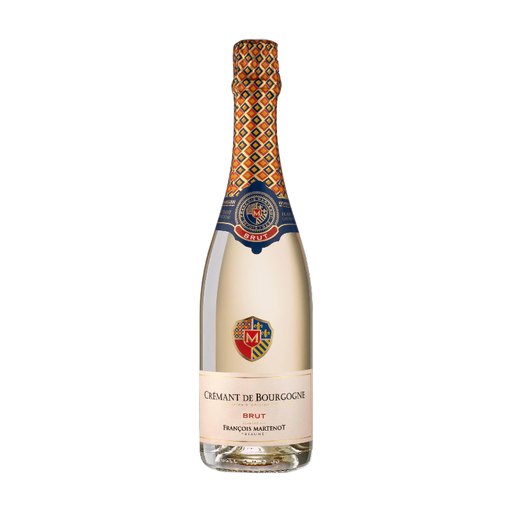
Why this choice suits this profile : Its dry, sparkling character is ideal for rosé lovers who enjoy it with an aperitif, savoury nibbles or a fruit dessert.
The product page mentions the Crémant de Bourgogne appellation, the presence of sulphites and an alcohol content of approximately 12 % vol. The information on the label should still be checked.
Bubbles described as fine and persistent, with notes of citrus, raspberry and redcurrant, plus a stated option suitable for vegetarian and vegan diets.
We have put together a complete, real-time-updated list of products that meet these demanding selection criteria and European safety regulations.
A 75 cl bottle will generally serve around six 12.5 cl glasses. This may vary depending on the amount poured and the type of glass used. For a reception, allow a little extra if rosé is the main drink.
Most still rosés are served chilled, generally between 6 and 10 °C, depending on the recommendations on the product page. Sparkling wines can be served at around 8 to 12 °C. However, avoid leaving them at room temperature for too long, as this could affect the freshness of the aromas and the perception of the bubbles.
No. Not all drinks presented as alternatives to wine necessarily have the same alcohol content. To choose an alcohol-free rosé, check the stated figure on the product page and the packaging. In the selection featured here, FLEURS DE PRAIRIE Sparkling Dealcoholized Rosé Wine is listed as containing 0 % vol. according to the available information.