
Livraison le jour même ou le lendemain

Qualité garantie

Débloquez vos offres de bienvenue: Livraison GRATUITE | Jusqu'à -80 % | 30 jours d'essai gratuits à JoyPlus
Téléchargez l'application
Buying French red wine online can quickly become a bit of a minefield. With prestigious appellations, château names, vintages and product descriptions full of tempting promises, it is not always easy to identify the information that really matters.
To avoid choosing a bottle that suits neither your tastes nor your menu, keep these three pitfalls in mind:
A well-chosen selection therefore starts with a few practical, easy-to-check criteria.
The appellation provides an initial geographical and regulatory reference point. French PDO wines must comply with precise specifications, but their style can vary considerably depending on the producer, vintage and blend.
The grape variety cannot predict the exact taste of a bottle, but it does help you compare the different options objectively.
The alcohol content is shown on the label. In this selection, the reds range from 12 to 14,5 % vol. A higher-alcohol wine may seem fuller-bodied and warmer, while a moderate alcohol content is more likely to complement a light meal.
Serving temperature also plays an important role:
Served too warm, a wine will bring out the alcohol more strongly. Too cold, it may seem harsher and more tannic.
The 75 cl wine bottle remains the most common format, providing around five to six glasses depending on how it is served. Before placing your order, check the recommended storage conditions: somewhere cool, dark and stable, away from heat and humidity.
If you are looking to build a wine collection, prioritise bottles whose product description states their ageing potential. For drinking soon, a wine described as fruity and approachable will generally be easier to choose. A bottle bought as a gift should also have a clearly identified appellation and a sufficiently detailed product description.
All the products mentioned here contain sulphites. Alcohol may only be consumed by adults. Alcoholic drinks are not recommended during pregnancy, even in small quantities. Moderation is always advised.
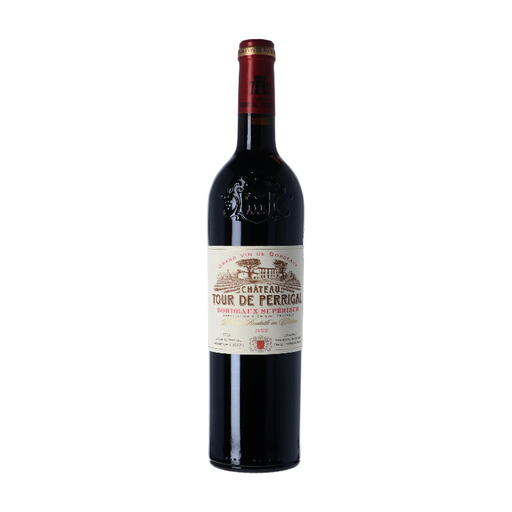
Why this choice suits this profile: Its Bordeaux blend and 13,5 % vol. alcohol content provide an easy reference point for pairing with home-cooked food, red meat or a cheeseboard.
The product description states the appellation, grape varieties, volume and serving temperature, rather than relying solely on the château name.
A profile centred on black fruit, smooth tannins and subtle oaky notes; 75 cl format and storage away from light.
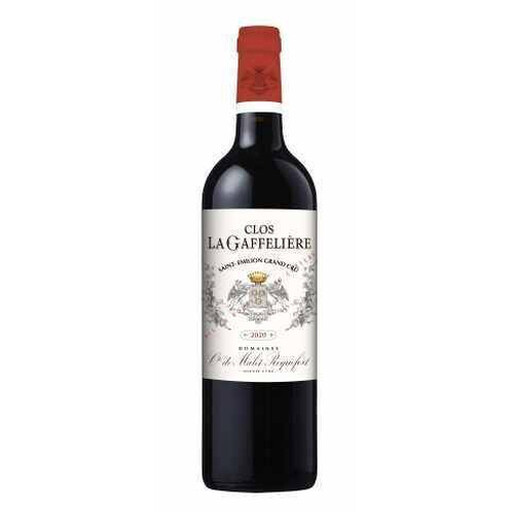
Why this choice suits this profile: This bottle is aimed at enthusiasts looking for a clearly identified Bordeaux appellation, pronounced structure and a wine to enjoy with a carefully prepared meal.
The product description details the appellation, Merlot–Cabernet Franc blend, 14 % vol. alcohol content and serving temperature.
Concentrated black fruit, elegant tannins and a long finish are among the advertised characteristics of this Saint-Émilion Grand Cru.
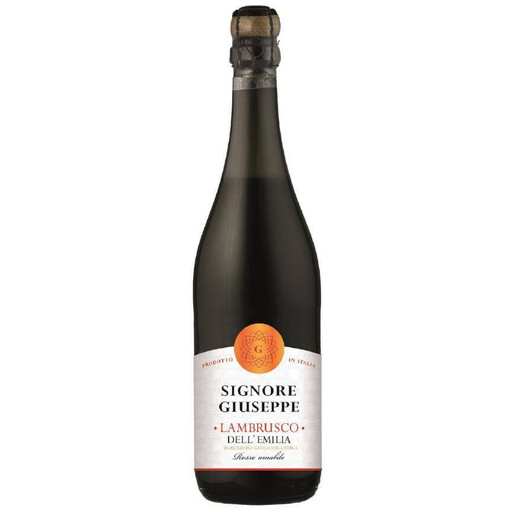
Why this choice suits this profile: Its standard format, low 8 % vol. alcohol content and serving temperature of 8 to 10 °C make it suitable for relaxed meals and summer gatherings alike.
The product description makes clear that this is an Italian sparkling red wine, intended to be drunk young and served chilled, so it is difficult to confuse with an ageing wine.
A Lambrusco grape blend, garnet colour and red-fruit notes, with a stated fruity sweetness.
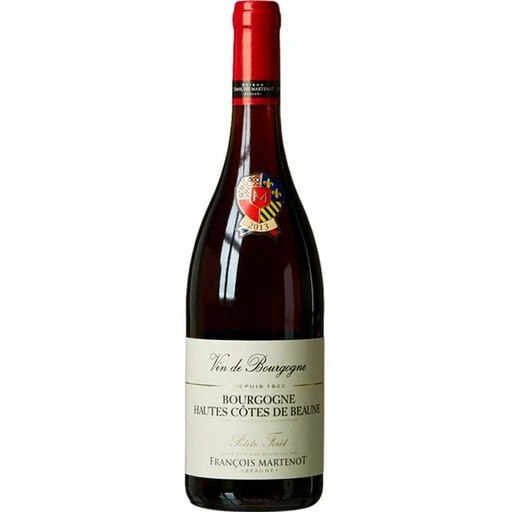
Why this choice suits this profile: Its dry, elegant profile, made from Pinot Noir, pairs particularly well with poultry, fine charcuterie or mildly spiced dishes.
The regional appellation, grape variety and 12,5 % vol. alcohol content help you understand the bottle without relying on unverifiable claims.
Pinot Noir, a dry style, 750 ml volume and a recommended serving temperature of between 16 and 18 °C.
We have brought together a complete, real-time selection of products that meet these demanding criteria as well as European safety standards.
A Bordeaux Supérieur or a regional Burgundy is an easy-to-understand starting point. Above all, compare the grape variety, alcohol content, serving temperature and suggested pairings, rather than relying solely on the prestige of the label.
Storage time depends on the appellation, vintage, producer and storage conditions. Some product descriptions recommend drinking within two to four years, while the most structured wines may have greater ageing potential. A cool, dark cellar with a stable temperature remains ideal.
Not necessarily. A young, structured wine may benefit from being opened a little in advance or decanted. A light, fruity red can be served straight away, possibly after a brief period of chilling. Use the recommended temperature as a guide and adapt the serving approach to the bottle’s profile.