
Livraison le jour même ou le lendemain

Qualité garantie

Débloquez vos offres de bienvenue: Livraison GRATUITE | Jusqu'à -80 % | 30 jours d'essai gratuits à JoyPlus
Téléchargez l'application
Buying a French red wine online might seem straightforward, but the label doesn’t always tell you what you’ll actually find in the glass. Between a prestigious appellation, a promise of “great richness” and a prominent vintage, the truly useful criteria can sometimes take a back seat.
To avoid a bottle that’s too tannic, too light, or a poor match for your menu, it’s worth focusing on three things: the appellation, the grape variety or blend, and the serving conditions. This approach lets you compare a Bordeaux, a Beaujolais, a Bourgogne Hautes-Côtes de Beaune or a Bourgueil on solid, practical grounds.
A Margaux or a Saint-Émilion Grand Cru can certainly offer a structured profile, but the appellation is no substitute for reading the product description. The style also varies depending on the blend, the vintage, the winemaking and the producer. Conversely, a Bordeaux Supérieur or a Juliénas might prove more suited to an everyday meal or a tasting without any intention of long-term cellaring.
A red Bordeaux rich in Cabernet Sauvignon can deliver pronounced tannins and good length, while a Beaujolais made from Gamay often focuses on fruit and suppleness. A powerful wine isn’t necessarily the one that will best match your palate. For a convivial meal, freshness and balance can matter more than intensity.
Even a well-chosen bottle can taste unbalanced if served too warm. Most of the reds featured here are best enjoyed between 14 and 18 °C, depending on their structure. Store them away from light, heat and excessive humidity. Once opened, re-cork the bottle and place it in the fridge to slow down the wine’s evolution.
The AOP governs the origin and certain production rules, but it isn’t enough to determine the wine’s taste. Here are a few useful pointers:
The grape gives you a first idea of the texture and aromas. Merlot generally brings roundness, Cabernet Sauvignon a more assertive structure, while Cabernet Franc can contribute freshness and spicy notes. Gamay often expresses itself through red fruits, whereas Pinot Noir favours a finer approach.
Also check the composition when it’s stated. A blend of Merlot, Cabernet Sauvignon and Cabernet Franc, as found in many Bordeaux wines, can be an excellent wine to accompany a meal featuring beef, lamb or cheese.
The red wine 75 cl format is the standard bottle for a meal for two to four people, depending on how much you pour. The alcohol level, generally between 12.5 % and 14.5 % vol. here, directly affects the sensation of warmth in the mouth.
Also check for the mention “contains sulphites”, which is mandatory when the regulatory threshold is exceeded. Information about the producer, country of origin, net volume and storage conditions should be legible on the packaging or product page.
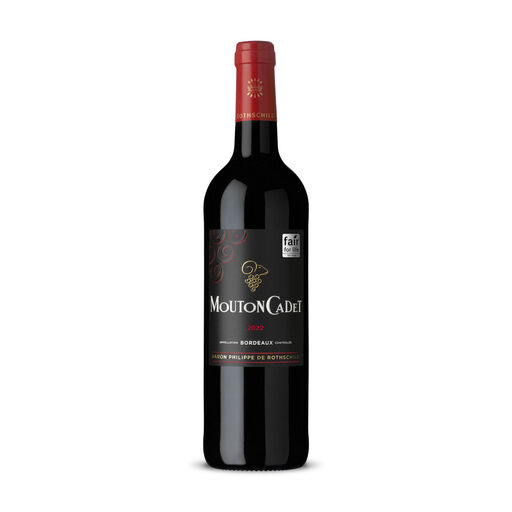
Why this choice suits this profile: Its fruity character and soft attack make it a good introduction to Bordeaux wines, without going for a style that’s too austere.
The listing recommends a serving temperature between 15 and 17 °C, as well as aerating for about an hour.
75 cl, purple colour, red fruit aromas and tannins described as silky. Contains sulphites.
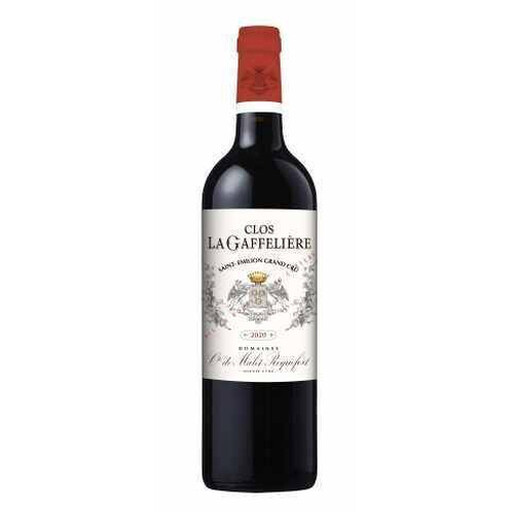
Why this choice suits this profile: This Saint-Émilion Grand Cru is aimed at lovers of concentrated substance, elegant tannins and persistent finishes.
The composition mentions Merlot and Cabernet Franc. The listing recommends serving between 16 and 18 °C and storing in a cool place, away from light.
14 % vol., concentrated dark fruit and structured tannins. Contains sulphites.
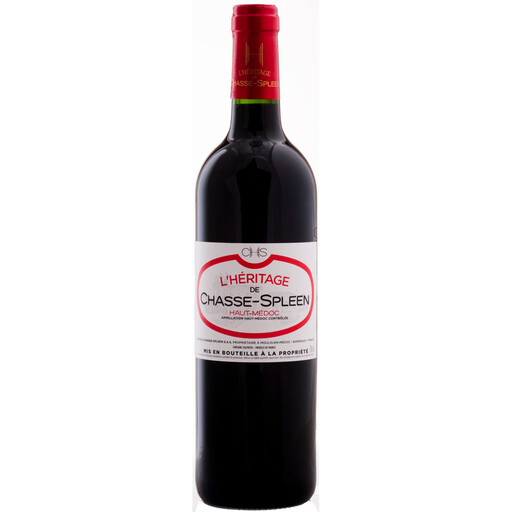
Why this choice suits this profile: Its Bordeaux blend and stated structure make it a natural candidate for meat dishes, large gatherings and extended cellaring, according to the listing’s indications.
The listing recommends serving at 14 °C, mentions fine tannins and states a cellaring potential of ten years or more.
Blend of Merlot, Cabernet Sauvignon and Cabernet Franc, 14 % vol., notes of blackcurrant and black cherry.
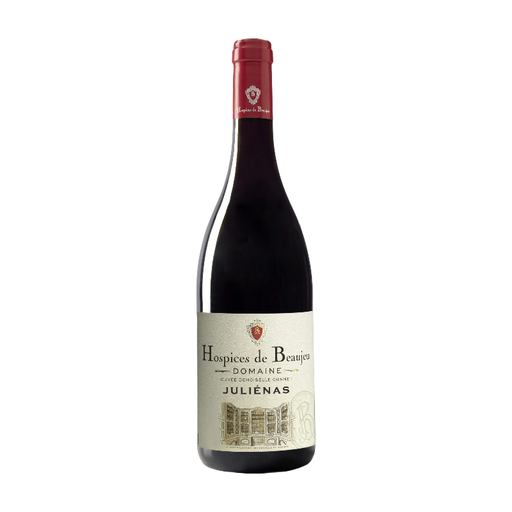
Why this choice suits this profile: This Juliénas from Beaujolais is ideal for meals where you want a soft, fruity red that’s easy to enjoy, particularly with veal or certain cheeses.
The listing describes a soft, fruity palate, with storage recommended away from heat, humidity and light.
Gamay, 13 % vol., aromas of strawberry, violet and redcurrant. Contains sulphites.
We’ve put together a comprehensive list, updated in real time, of products that meet these selection criteria and the requirements of European safety regulations.
Start by checking the product listing. Soft reds from Beaujolais can be served around 12 to 15 °C, while a structured Bordeaux generally expresses itself best between 16 and 18 °C. A temperature that’s too high accentuates the perception of alcohol; too low, and it hardens the tannins.
Re-cork it carefully and store it in the fridge. To preserve its aromas as well as possible, drink it within a few days generally. Fruity, soft wines are often best enjoyed quickly, while certain structured cuvées can evolve for longer, depending on the producer’s instructions.
With beef, lamb or game, a Médoc, Haut-Médoc, Saint-Émilion Grand Cru or Bourgueil will complement a hearty dish. For poultry, charcuterie or a mild cheese, a Brouilly, Régnié, Juliénas or Bourgogne Hautes-Côtes de Beaune will offer more suppleness. Before buying, always compare the tannin level, alcohol content and serving temperature.