
Livraison le jour même ou le lendemain

Qualité garantie

Débloquez vos offres de bienvenue: Livraison GRATUITE | Jusqu'à -80 % | 30 jours d'essai gratuits à JoyPlus
Téléchargez l'application
Choosing a French red wine online isn’t just about spotting a famous appellation or a pretty label. Between the sometimes overly flattering descriptions, uneven vintages and differences in grape varieties, a bottle can easily fail to match the meal you’ve planned — or your own tasting preferences.
A few common pitfalls keep cropping up:
To buy a bottle of red wine with confidence, it’s worth focusing on a few concrete details.
The AOP (Protected Designation of Origin) governs the production area and certain manufacturing rules. It’s a useful reference point, but it doesn’t tell you everything about the taste experience.
So do check the appellation, grape variety and alcohol content. This information will help you anticipate the wine’s richness, without guaranteeing an identical sensation for every taster.
To choose a red wine to serve with a meal, start with the dish rather than the prestige of the label.
Notes of red fruits, black fruits, spices, oak or violet serve as useful benchmarks for comparing bottles. They don’t replace tasting, but they give you a first idea of the style you’re looking for.
A 75 cl bottle of red wine generally corresponds to around six tasting glasses of 12.5 cl. Before confirming your purchase, check:
Store the bottle in a cool, dark place with a stable temperature. Recommendations vary depending on the wine: some are made to be drunk young, while others have an ageing potential of several years. An open bottle generally keeps less well than a sealed one. Seal it carefully and avoid temperature fluctuations.
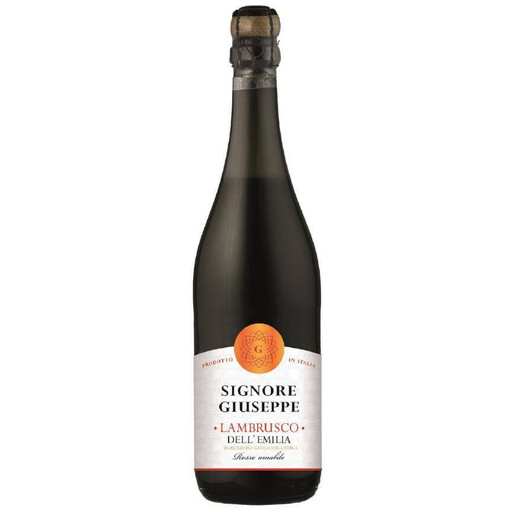
Why this choice suits this profile: This Italian red wine from Emilia-Romagna is an affordable option for discovering a fruity, fresh red. Serve it between 8 and 10 °C, particularly as an aperitif or with simple cooking.
The product page specifies the 750 ml volume, the 8% ABV and the chilled serving temperature. So there’s no chance of treating it like a classic red served at room temperature.
A blend of three Lambrusco varieties, a garnet colour, notes of red fruits and a smooth, rounded finish.
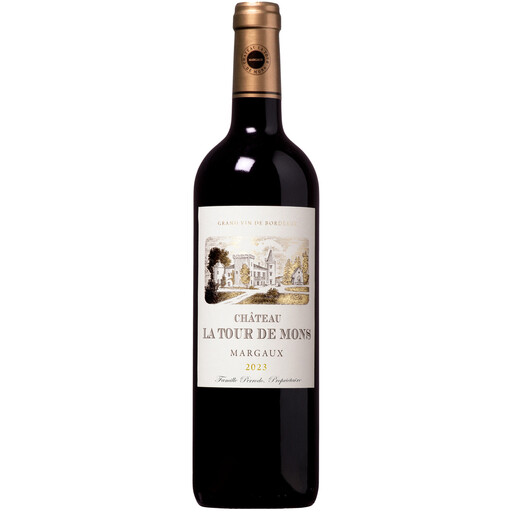
Why this choice suits this profile: This Margaux cuvée is aimed at those looking for a Bordeaux for a special dinner or a wine-related gift.
The product page clearly states the Margaux appellation, the blend, the 13% ABV and a serving temperature of 17 °C.
Stated notes of fruit, oak and spices; an indicated ageing potential of up to ten years.
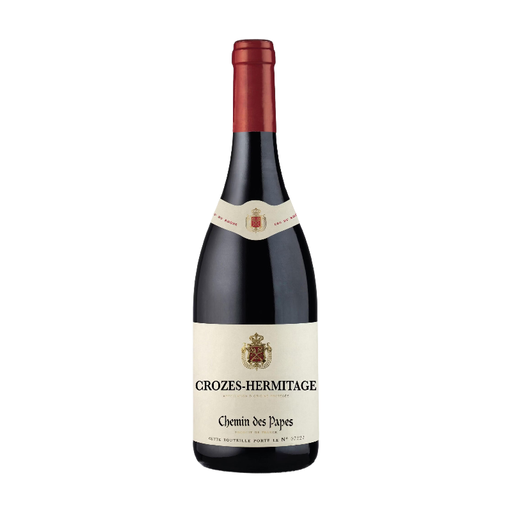
Why this choice suits this profile: Supple and aromatic, this wine easily accompanies everyday meals, grilled meats, cheeses and family dishes.
The product page details the appellation, the 750 ml volume, the 12.5% ABV and the recommended food pairings, rather than just listing promotional adjectives.
Notes of red fruits, leather and spices; recommended serving temperature between 16 and 18 °C.
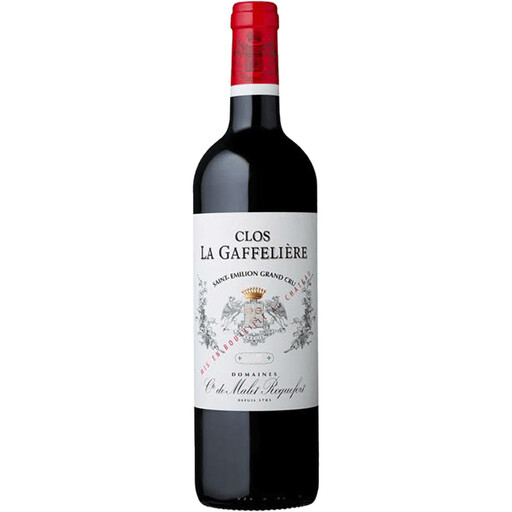
Why this choice suits this profile: This bottle of Saint-Émilion Grand Cru will pair beautifully with red meat. It also makes a thoughtful gift when the appellation carries weight in the decision.
The description doesn’t stop at the appellation and provides verifiable data: Merlot and Cabernet Franc grapes, 14% ABV, 750 ml volume and serving temperature between 16 and 18 °C.
A structured profile, concentrated black fruits, tannins described as elegant and a persistent finish.
It all depends on the style of the bottle. A fruity Beaujolais can be served at around 12 to 14 °C, while a structured Bordeaux or a Saint-Émilion Grand Cru is often best enjoyed between 16 and 18 °C. Always check the wine’s product page and avoid serving it at the high temperature of a heated room.
The length of time depends on the wine, how full the bottle is and the storage conditions. Seal it, place it in a cool spot and drink it quickly to limit the evolution of the aromas. The ageing indications shown on a product page generally refer to an unopened bottle.
A Brouilly, a fruity Burgundy or a Crozes-Hermitage can accompany many dishes without overpowering the table. For red meat or a stew, go for a red Bordeaux, a Saint-Émilion Grand Cru or a more structured Rhône cuvée. Before buying, check the alcohol content, the grape variety and the serving temperature.