
Livraison le jour même ou le lendemain

Qualité garantie

Débloquez vos offres de bienvenue: Livraison GRATUITE | Jusqu'à -80 % | 30 jours d'essai gratuits à JoyPlus
Téléchargez l'application
Buying French red wine online makes it easy to compare appellations, grape varieties and bottle sizes. But a well-written product listing isn’t always enough to help you make the right choice. Descriptions can be a little too flattering, appellations can be misunderstood, and storage conditions are sometimes overlooked. The result? Some bottles may disappoint when you open them.
This guide from the Joybuy product recommendations team gives you a simple way to choose a red wine from Bordeaux, Burgundy, the Rhône, Beaujolais or the Loire, based on the occasion and the meal you have planned.
A prestigious name such as Margaux, Saint-Émilion Grand Cru or Haut-Médoc tells you about a regulated origin, but it doesn’t guarantee that you’ll enjoy the style. An appellation indicates, among other things, a production area and a set of precise rules. The producer, vintage, blend and storage conditions also play an important part in the tasting experience.
So it’s worth assessing a French appellation wine against several criteria, rather than judging it by its name alone.
Words such as ‘powerful’, ‘elegant’ or ‘generous’ are subjective. For a more reliable picture, check the practical details instead: grape varieties, alcohol content, serving temperature, ageing potential and suggested food pairings.
For example, a Rhône red made from Syrah and Grenache will often be more structured and spicy than a Beaujolais red made from Gamay, which is generally associated with fruitiness and freshness.
A 75 cl bottle of red wine should be protected from heat, light and significant temperature changes. Once it arrives, store it somewhere cool and dark. If you’re planning to drink it in the next few days or weeks, you don’t need a professional wine cellar, but avoid leaving it on a windowsill, in a car boot or in an overheated room.
The wines mentioned here contain sulphites. Pregnant women should avoid drinking alcohol, in line with the warnings shown on the products.
The appellation gives you an initial idea of the style to expect:
Alcohol content gives you an indication of how a wine may feel on the palate, but of course it isn’t enough to judge its quality. Serve each bottle according to the product listing’s recommendations: some Bordeaux wines are best enjoyed at around 16 to 18 °C, while Brouilly is better served slightly cooler, at 12 to 14 °C.
If the wine is too warm, the alcohol can seem more pronounced. On the other hand, a wine served too cold may taste closed and more tannic.
To choose a red wine to serve with a meal, start with the main course:
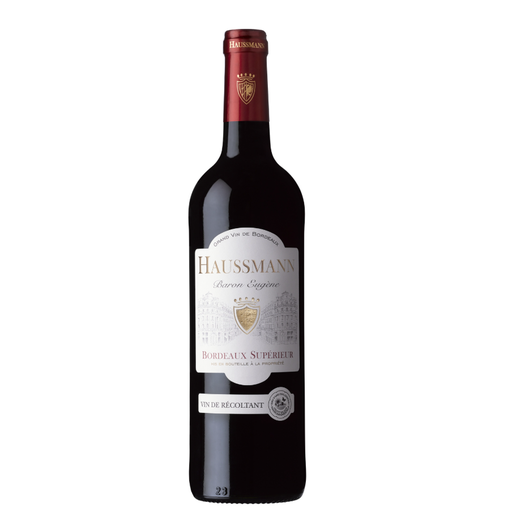
Why it suits this preference : its 75 cl bottle size and Bordeaux Supérieur appellation make it a good choice for a family meal or a first taste of the region, without venturing into a particularly niche wine.
The product listing clearly states the appellation, bottle size and storage conditions, rather than relying solely on promotional language.
75 cl bottle, Bordeaux origin and a style described as rounded and easy-going.
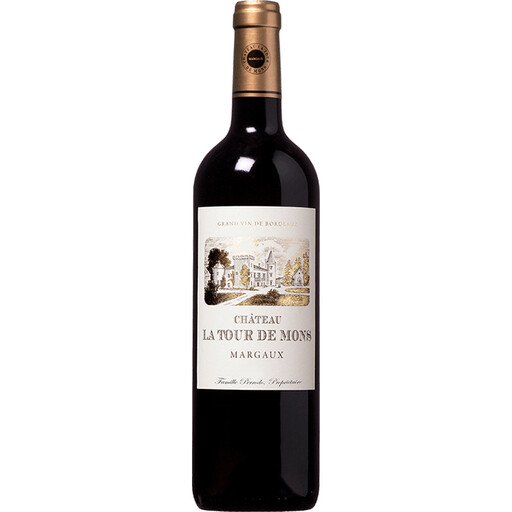
Why it suits this preference : this Margaux wine blends Merlot, Cabernet Sauvignon, Cabernet Franc and Petit Verdot, for a style centred on fruit, oak notes and spice.
The grape varieties, 13 % vol. alcohol content and stated serving temperature help you check that the bottle is right for the meal you have in mind.
Margaux appellation, detailed Bordeaux blend and stated ageing potential of up to ten years.
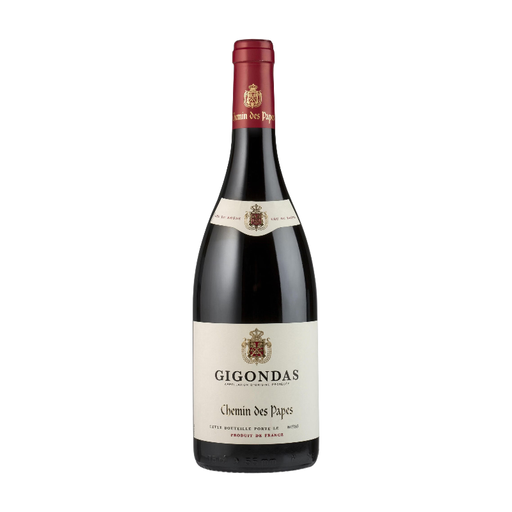
Why it suits this preference : its full-bodied, spicy and structured style pairs easily with hearty dishes, such as slow-cooked meat, game or rich, generous fare.
The product listing sets out the aromatic profile, structure, suggested pairings and storage conditions.
Gigondas appellation, deep colour, notes of plum and spice, 75 cl bottle.
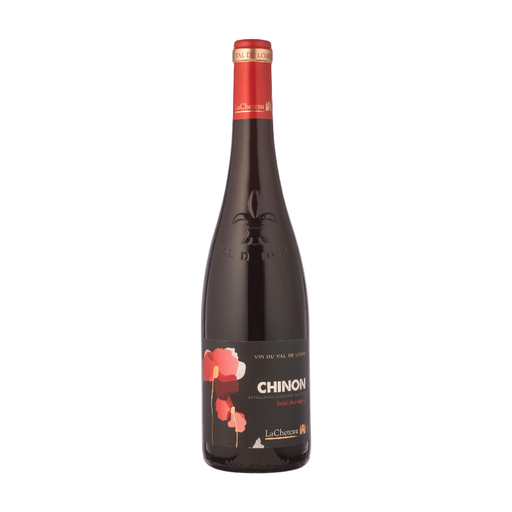
Why it suits this preference : this Loire Chinon is presented with a wide range of food pairings, from poultry and charcuterie to red meat and cheese.
The listing gives details of the region, appellation, serving recommendations and suggested dishes, reducing the risk of buying a bottle that doesn’t suit your menu.
AOP Chinon, 75 cl, fruity and spicy style, with clearly stated food pairings.
We’ve put together a comprehensive selection, updated in real time, of products that meet these selection criteria and the requirements of European safety regulations.
Start with the main course, then check the appellation, grape variety, alcohol content and serving temperature. If you’re serving several dishes, Chinon, Brouilly or Côtes du Rhône offer welcome versatility. For a rich or slow-cooked dish, opt for Gigondas, Vacqueyras, Lirac or a structured Bordeaux.
Once recorked and put in the fridge, an opened bottle is generally best enjoyed within the next few days. How long it lasts depends on the wine, how much is left and how much air it has been exposed to. Take it out a little before serving so it can reach the right temperature.
A 75 cl bottle usually holds five or six glasses, depending on the serving size. It can be a good choice for a meal for two, especially if you’re serving it with several courses. Always check the alcohol content and enjoy in moderation.