
Same-day & Next-day Delivery

Quality Guaranteed

Unlock Your Welcome Offers: FREE Delivery | Up to 80% OFF | Free 30-day JoyPlus trial
Download the APP
Buying wine online gives you access to a far wider selection of French and Italian wines than you would find in a shop. The downside? With so many options to choose from, it’s not always easy to know where to start. Appellations, grape varieties, bottle sizes and quality labels are all details worth checking before you place your order.
Two mistakes crop up time and again. The first is picking a bottle purely for its origin or name, without thinking about the style you’re after or the dish you’ll be serving it with. The second is assuming a well-known appellation guarantees a certain taste: an AOP or DOC label guarantees the origin and certain production rules, but it says nothing about your personal preferences. As for terms like “organic”, “vegan”, “reserve” or “selection”, you should always cross-check them against the information on the label and the product page.
Start by deciding when you’ll be serving the bottle: aperitif, with a meal, with dessert, or as a gift. A dry, off-dry, sweet or sparkling wine will give you a completely different experience on the palate.
The demi sec category can also guide those looking for a noticeable sweetness without going as far as a liqueur-style wine.
The terms AOP, AOC, DOC or DOCG indicate a geographical origin and compliance with strict production standards. However, they don’t replace the need to look at the grape variety and aromatic profile.
A Sauvignon from Touraine won’t have the same character as a Chardonnay from Burgundy. Similarly, the Gamay in a Morgon or a Moulin-à-Vent offers a different experience from a Bordeaux blend. On the Italian side, Glera is associated with Prosecco, Moscato with Asti, while Lambrusco refers to a family of sparkling wines from Emilia-Romagna.
Also remember to check the country of origin, the region, the volume and the alcohol content. This information is particularly useful when comparing a half-bottle of 37.5 cl with a standard 75 cl bottle.
A bottle of wine should be stored away from heat and light, in a cool, dry place. Product pages sometimes indicate a serving temperature, for example 6 to 8 °C for a rosé or 10 to 11 °C for a white wine.
The presence of sulphites must be stated when it exceeds the legal threshold. Anyone following a vegetarian or vegan diet should check the product page and labelling: a wine described as “vegan” should be verified against the information available for that specific product. Alcohol consumption is for adults only and should be enjoyed in moderation. It is not recommended during pregnancy.
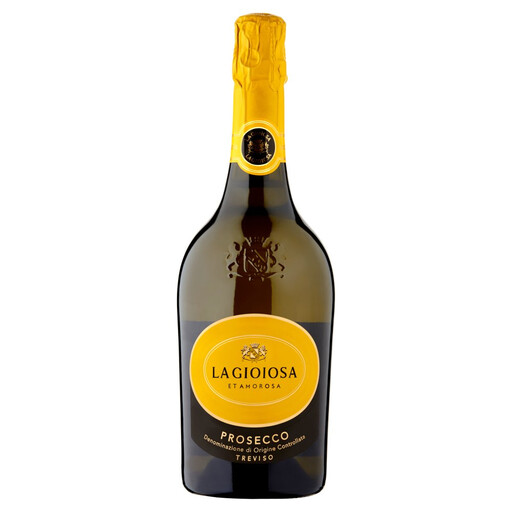
Why this choice suits this profile: This Italian sparkling wine fits easily into an aperitif or a reception. It comes in the standard 75 cl format and has an alcohol content of 10.5% vol.
The product page clearly states the Glera grape variety, the Italian origin and the storage conditions, rather than relying solely on a marketing promise.
A DOC Prosecco from Veneto with fine bubbles, described as offering notes of ripe apple and floral nuances.
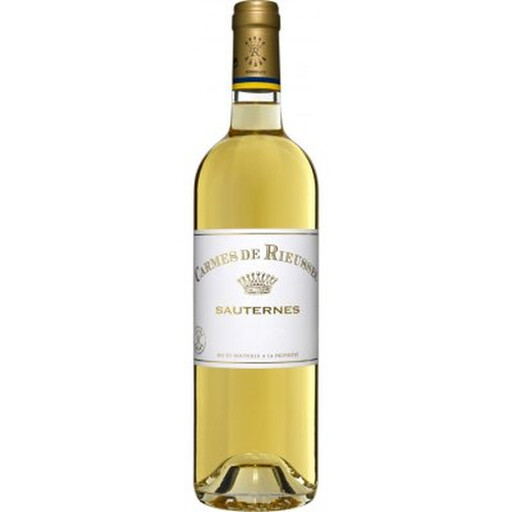
Why this choice suits this profile: Its small format is ideal for a targeted tasting, with dessert or paired with cheeses, without having to open a 75 cl bottle.
The Sauternes appellation, the vintage, the 37.5 cl volume and the grape varieties are all clearly stated on the product page.
An AOC Sauternes from a blend dominated by Sémillon, best served between 8 and 10 °C.
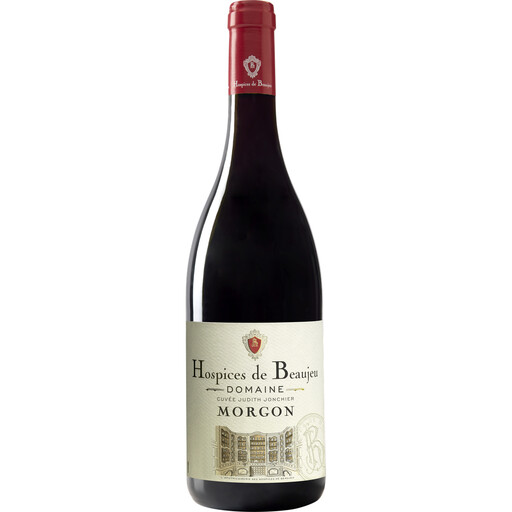
Why this choice suits this profile: This red from Beaujolais is made for meals that need a bit of character, particularly with meats, stews or cheeses.
The product page details the Morgon appellation, the Gamay grape variety, the 13.5% vol. alcohol content and a serving temperature between 14 and 15 °C.
An AOC Morgon with notes of stone fruit and supple tannins, whose product page also mentions its ageing potential.
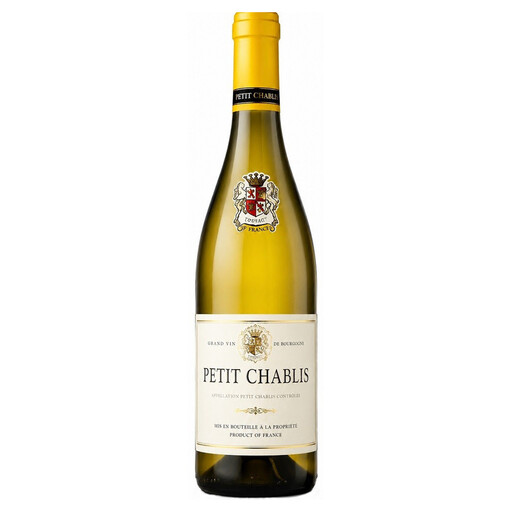
Why this choice suits this profile: With its fresh Chardonnay, this wine pairs beautifully with seafood, fish, aperitifs and meals where you prefer a light white.
The Petit Chablis AOC appellation, the Chardonnay grape variety and the serving temperature of 10 to 11 °C are clearly stated.
A Burgundian origin, a profile marked by citrus and freshness, in a 75 cl format.
We’ve put together a comprehensive, real-time updated list of products that meet these demanding selection criteria and comply with European safety regulations.
For an aperitif, compare a Prosecco, a Crémant d’Alsace, an Asti or a white wine from Touraine. A rosé from Provence will pair wonderfully with Mediterranean cuisine, while a Lambrusco brings a fruity, sparkling touch.
To accompany a meal, go for a Bordeaux with red meat, a Beaujolais with family-style cooking, or a Burgundy with fish and poultry. Organic and vegan wines require careful checking of the information on the product page. For dessert, a Sauternes, a Tawny Port or a sweet wine from Gascony offers an interesting alternative to dry wines.
Rely on four key indicators: the colour, the sweetness level, the grape variety and the suggested food pairings. Also check the appellation, alcohol content, bottle size and serving temperature. Aromatic descriptions give you a first idea of the profile, but they obviously don’t guarantee the wine will suit your taste.
The 37.5 cl format, or half-bottle, is ideal for a tasting for two or for a sweet wine served in small quantities. The 75 cl format is better suited to several guests or a full meal. When several sizes are available, always compare the price per litre.
Keep it in a cool, dry, dark place, away from strong temperature fluctuations. Follow the instructions on the product page and the label. Sparkling wines should be handled with care and served chilled; an opened bottle should be resealed and consumed within a time frame appropriate to its style and the manufacturer’s recommendations.