
Livraison le jour même ou le lendemain

Qualité garantie

Débloquez vos offres de bienvenue: Livraison GRATUITE | Jusqu'à -80 % | 30 jours d'essai gratuits à JoyPlus
Téléchargez l'application
The French craft beer scene is booming, and the IPA (India Pale Ale) has established itself as a staple style. Faced with an overwhelming number of options, it can be tough to find the French IPA that ticks all your boxes: character, controlled bitterness, explosive fruity aromas… Where do you even start?
This guide is here to help you make sense of it all. Our mission: to give you the keys to decipher labels and choose the beer that's right for you, all without the indigestible marketing jargon.
Before diving into our selection, let's review a few essential criteria. Once you've mastered them, labels will hold no more secrets, and you'll know how to find the hoppy beer that will thrill your taste buds.
Bitterness is the IPA's signature. It's measured in IBU (International Bitterness Unit):
Hops don't just add bitterness to beer; they also provide its entire aromatic palette. French brewers draw from a wide variety of hops, often from the United States, Europe, or New Zealand, to create unique profiles:
It's largely thanks to dry hopping – adding hops cold during fermentation – that brewers can extract maximum aroma without increasing bitterness.
The alcohol content (ABV, Alcohol by Volume) influences the texture and mouthfeel. An IPA is typically between 5% and 7.5%. Stronger versions, like Double or Imperial IPAs, can exceed 8% and often offer a rounder texture and more intense flavours to balance the alcohol's strength.
To whet your appetite, here are three beers that perfectly embody the richness and creativity of the French brewing scene.
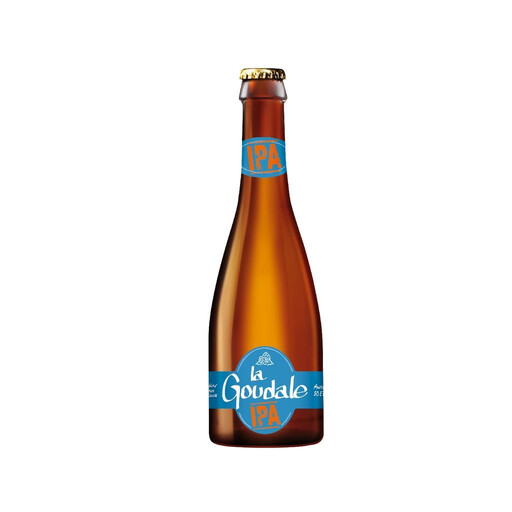
Why it stands out: La Goudale, an iconic brewery from the Hauts-de-France region, delivers an IPA directly inspired by American classics. It blends several hops from the Yakima Valley (USA), a legendary terroir for hop lovers. The result is a copper-coloured beer designed to offer a pronounced bitterness and an aromatic profile centred on lemon and exotic fruits.
Highlights:
Who is it for? For those who love straightforward IPAs with a distinct bitterness and a bold character, in the true American tradition.
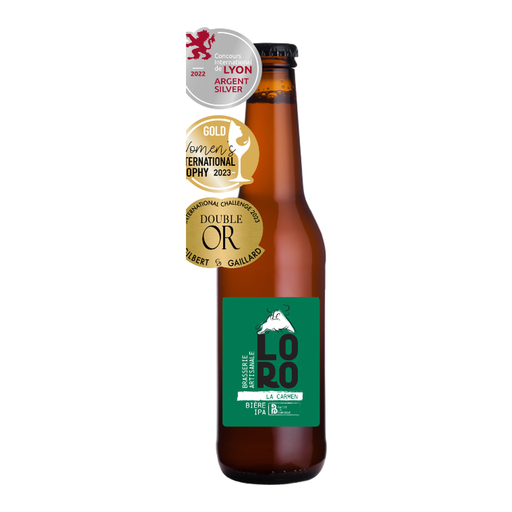
Why it stands out: Hailing from Burgundy, Carmen by the LORO brewery is an artisan IPA that plays on aromatic generosity. Designed for hop lovers, it offers a meticulous balance between tropical fruit and citrus notes, all supported by a solid malt base. Its finish is crisp and incredibly refreshing.
Highlights:
Who is it for? Ideal for curious drinkers who want to discover a French artisan IPA that showcases a rich hop profile while remaining very accessible and balanced.
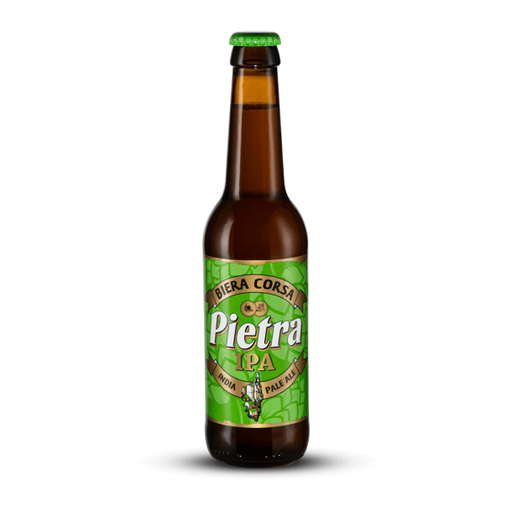
Why it stands out: The Corsican brewery Pietra, famous for its chestnut beer, brilliantly explores the IPA style. This beer stands out for its double dry hopping with Citra, a true star in the brewing world. This technique gives it an explosion of tropical fruit aromas. With an IBU of 40, the bitterness remains controlled, leaving plenty of room for the aromatic festival.
Highlights:
Who is it for? Perfect for fans of fruity, low-bitterness beers. If you're looking for tropical fruit juice flavours in a beer, this Corsican IPA is a must-try.
This selection is just a taste of the rich French brewing landscape. Other styles, breweries, and formats are waiting for you.
To find other gems, explore our full range of 330ml beer.
The main difference lies in the quantity and type of hops. A French IPA is much more hop-forward than a classic lager like a Pilsner. This massive addition of hops, especially late in the brewing process, gives it its typical bitterness and intense aromas (fruity, resinous, floral), whereas a classic lager will focus more on cereal flavours with very subtle bitterness.
To enjoy all the aromas of an IPA, serve it cool but not ice-cold, ideally between 6°C and 8°C (43°F and 46°F). A temperature that's too low will numb the flavours. Opt for a tulip glass or an IPA glass: its tapered shape at the top concentrates the aromatic bouquet towards your nose for an enhanced experience.
No, that's a common misconception! While the style is historically linked to high bitterness, French brewers, like their counterparts worldwide, have innovated tremendously. Many modern IPAs, such as New England IPAs (NEIPAs), are intentionally hazy, very fruity, and low in bitterness. Trust the IBU indicated on the label (if present) or look for descriptions that mention "mild" or "controlled" bitterness to find a bitter beer that suits your palate.