
Livraison le jour même ou le lendemain

Qualité garantie

Débloquez vos offres de bienvenue: Livraison GRATUITE | Jusqu'à -80 % | 30 jours d'essai gratuits à JoyPlus
Téléchargez l'application
Buying French drinks online lets you quickly compare regional wines, aperitifs, juices and a few gourmet products. But an appealing product page isn’t always enough to make the right choice. The stated origin, the type of drink and the storage conditions can significantly change your experience at the table.
Before you fill your basket, keep an eye on these common pitfalls:
To choose a French wine, start by deciding on the occasion. A red wine from Bordeaux, a Moulin-à-Vent from Beaujolais or a Saint-Chinian will each offer a different profile and different food pairings.
The appellation doesn’t guarantee the product will suit your taste, but it does provide a valuable geographical and regulatory framework for comparing options.
The alcohol content helps you plan how to serve and enjoy the drink. The Ricard pastis shown here has 45% vol., while several wines in the selection sit between 13 and 14.5% vol. Sparkling wines and sweet wines can also feel different on the palate, even when their alcohol content is similar.
Also check the list of ingredients and allergens. Wine product pages often mention sulphites, while pastis lists natural extracts of aniseed and liquorice. For non-alcoholic products, such as a French apple juice, check the naturally occurring sugar content and the storage instructions after opening.
Alcoholic drinks are for adults only. They should be consumed in moderation. They are not recommended during pregnancy and are incompatible with driving.
A 75cl bottle is generally suitable for a shared meal, while a one-litre format can be more practical for an aperitif with several people. On receipt, store bottles away from heat and light. For a juice that needs refrigerating after opening, follow the temperature and time guidelines on the packaging.
To round off your order, also think about specialities that can accompany the drinks: Dijon mustard, Provence rosemary or apple juice. That way, you can turn a simple basket of drinks into an assortment for an aperitif, a meal or a gourmet gift.
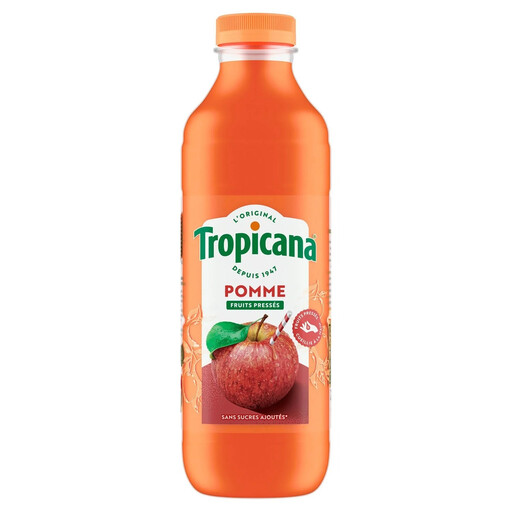
Why this choice suits this profile: Non-alcoholic, this juice works well for a brunch, a snack or a table with multiple generations. The product page lists apple juice and ascorbic acid, with no added sugars.
The product page clearly states the ingredients, energy value and storage instructions after opening. So you’re not relying solely on the product’s appearance.
1L format, 47 kcal per 100ml and stated French origin of the apples.
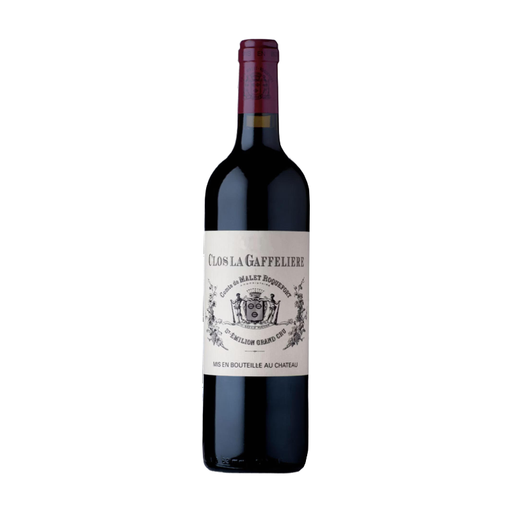
Why this choice suits this profile: This Bordeaux appellation is aimed at enthusiasts who want to serve a structured red wine at a special meal or give a bottle stamped with a recognised appellation.
The appellation, format and presence of sulphites are clearly stated. You can therefore compare the bottle on verifiable criteria.
AOC Saint-Émilion Grand Cru, 750ml bottle and stated notes of black fruits, spices and cocoa.
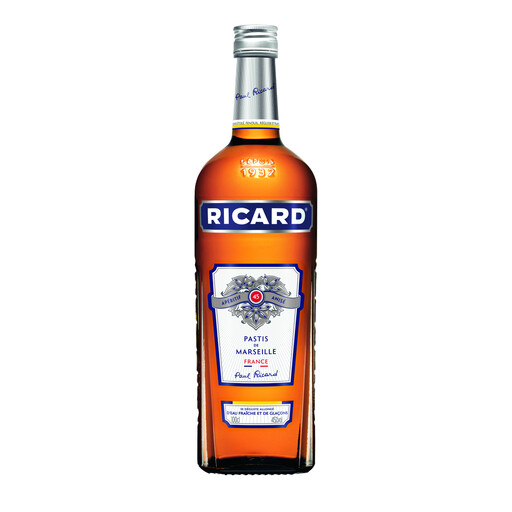
Why this choice suits this profile: Its one-litre format and aniseed profile make it a practical option for regular aperitifs, as long as you stick to the measures and drink responsibly.
The alcohol content, volume, ingredients and storage conditions are all detailed on the product page.
French origin, recipe based on aniseed and liquorice, 1L volume and 45% vol.
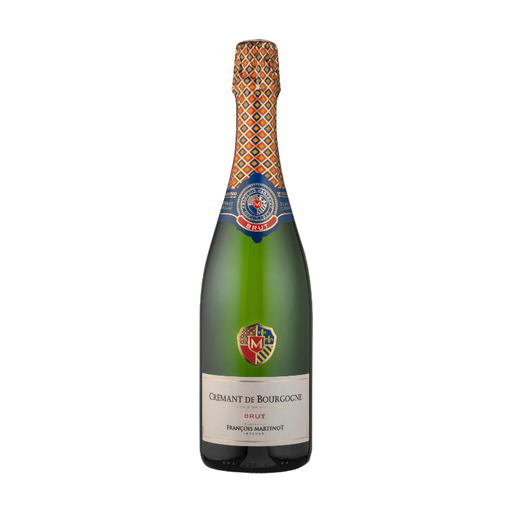
Why this choice suits this profile: This Crémant de Bourgogne can accompany an aperitif or a party if you’re looking for a French sparkling wine with a clearly identified appellation.
The AOP, format, presence of sulphites and storage conditions are all provided to allow an objective comparison.
Stated fine bubbles, citrus and floral notes, 70 kcal per 100ml, product described as suitable for vegetarians and vegans.
A well-thought-out selection can pair a bottle with an accompaniment:
Yes, subject to the seller’s terms of sale and delivery. Alcoholic drinks are for people aged 18 and over. Before ordering, check the delivery terms, age verification and any applicable restrictions.
Place it in a cool, dry place away from light, avoiding strong temperature fluctuations. For a sparkling bottle, avoid shocks and follow the instructions on the product page. After opening, follow the manufacturer’s recommendations.
The price depends on the appellation, format, producer and type of drink. To compare offers properly, look at the volume, alcohol content, origin, delivery costs and composition. A juice, mustard or condiment can also round off the order without significantly increasing the budget spent on bottles.