Parents keeping an eye on salt
If you want to serve French beans with no added salt in the ingredients, read the ingredients list and compare the salt value per 100 g. A standard tin and a no-added-salt option from the same range may differ.


When choosing French beans for children’s dinner, don’t rely on the words ‘reduced sugar’ alone: compare the sugar values per 100 g without assuming they have been reduced. Then check the ingredients and salt content, and choose between frozen and tinned depending on how much preparation time you have and how much you need to serve.
If you want to serve French beans with no added salt in the ingredients, read the ingredients list and compare the salt value per 100 g. A standard tin and a no-added-salt option from the same range may differ.
Frozen beans let you take out the amount you need for a meal, but they need cooking. If you’re short on time, ready-cooked tinned beans may be more convenient; Bonduelle says its steam-cooked variety takes two minutes to heat.
Descriptions such as ‘extra-fine’ and ‘very fine’ tell you about the size of the beans. They don’t guarantee that your child will enjoy the texture: cooking and their personal preferences matter too.
Start with the ingredients and salt per 100 g, then compare the formats based on the texture you’re looking for, the time you have and how much you need to prepare. When comparing the sugar in two products, use the values per 100 g too, rather than relying on the product descriptions alone.
| Criterion | What to check | Who is it for? |
|---|---|---|
| Ingredients and salt | Ingredients list and salt per 100 g; distinguish ‘no added sugars’ from the total sugar value shown. | If I want plain French beans with no added salt, the ingredients come before any claims about sugar. Around 36% of consumers would put this need first. |
| Texture | Bean size, whole or cut format, and cooking instructions. | If my child has a texture preference, I look for a size and cooking method that suit them, without assuming they’ll accept the product. This would be the top priority for around 29% of consumers. |
| Preparation and portions | Format, quantity in the pack, and cooking or after-opening storage instructions. | If dinner needs to be ready quickly or I want to take out only the amount I need, the format becomes decisive. Around 21% of consumers would make this their first criterion. |
| Origin or production method | Origin and, if you’re looking for organic, whether this is stated for the specific product. | I may prefer a stated origin or a particular production method, while comparing the ingredients and salt separately. Around 14% of consumers would prioritise this criterion. |
The Notre Jardin tin sold as having ‘no added sugars or salt’ still contains 0.8 g of sugars per 100 g, according to its E.Leclerc product listing. The claim refers to added ingredients, not to the absence of sugars in the product.
Read the ‘of which sugars’ line in the nutrition information and compare the values per 100 g.
The Notre Jardin tins described by E.Leclerc illustrate a useful difference: the no-added-salt variety contains 0 g of salt per 100 g, compared with 0.6 g for the standard tin.
If salt matters to your choice, compare the value per 100 g and check whether salt appears in the ingredients list.
Notre Jardin’s variety with no added sugars or salt contains French beans and water, while the standard tin also contains salt. So the range name alone won’t tell you what’s in the product.
Check the exact variety and its packaging before using the nutrition values for a different product.
An opened tin and a bag of frozen beans don’t keep in the same way. For its steam-cooked variety, Bonduelle says to use within 48 hours of opening; its storage instructions shouldn’t be applied to all tinned products.
Choose an amount that suits the meal and follow the instructions on the product you buy. For frozen food, pay particular attention to the guidance after defrosting.
The brand offers, among other products, tinned extra-fine French beans cooked using steam.
The range includes tinned extra-fine French beans, with or without added sugars or salt depending on the variety.
The retailer offers, among other products, a 1 kg bag of frozen extra-fine French beans.
ALDI offers Fleurs des Champs tinned French beans and All Seasons frozen extra-fine French beans.
This selection includes a tin of French beans, frozen French beans and a prepared dish that also contains tomatoes. Compare each product’s format and ingredients to suit the dinner you have planned.
 Image unavailable
A tinned option to consider when preparation time matters. If you’re looking for a product with no added salt, check the ingredients list and the salt value per 100 g for this product.
 Image unavailable
A frozen option if you’d like to take out French beans for several meals. Allow time for cooking, keep the product frozen and don’t refreeze it after defrosting. Also check the label for any mention of traces of celery if this matters in your household.
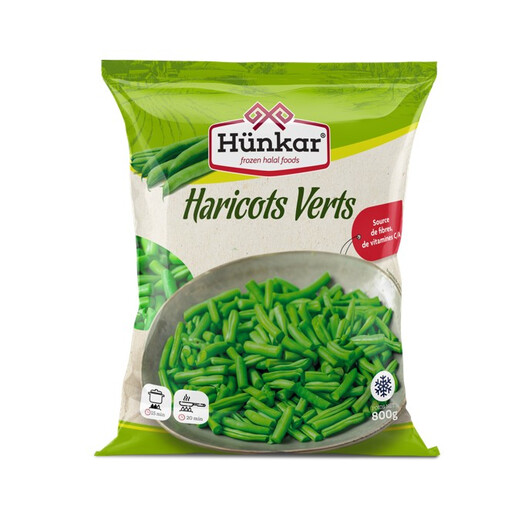 Image unavailable
An 800 g frozen option to consider if this quantity suits your meals. Check the packaging for cooking instructions and compare the values per 100 g with those of other products you’re interested in.
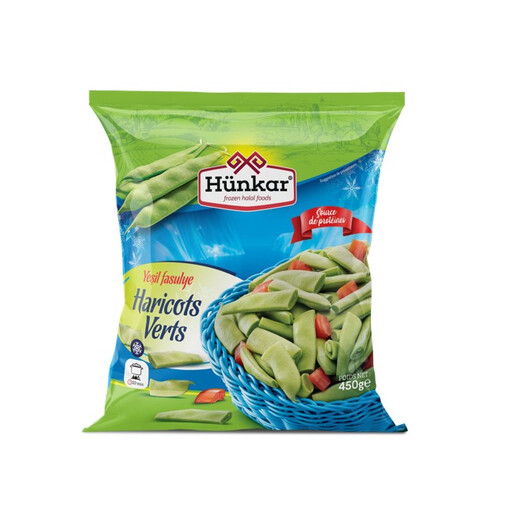 Image unavailable
This frozen dish may suit you if you’d like to serve French beans with tomatoes. It contains 7% tomatoes, so choose another product if you’re looking for French beans on their own, and check the cooking instructions on the packaging.
No. According to E.Leclerc, its Notre Jardin tin with ‘no added sugars or salt’ contains French beans and water, but has 0.8 g of sugars per 100 g. Check the ‘of which sugars’ line to see the amount listed.
With frozen beans, you can take out the amount you need as you prepare the meal; Auchan gives this advice for its extra-fine variety. Manger Bouger says that the suggested amounts of fruit and vegetables for children aged 4 to 17 should be adjusted to suit their appetite.
Follow the instructions for each specific product: Auchan says to store its frozen French beans at −18 °C and not to refreeze them after defrosting. For its tin of steam-cooked French beans, Bonduelle says to store at no more than 4 °C and use within 48 hours of opening.
Compare the product name, ingredients list and nutrition information for the specific product. For prepacked foods in France, the DGCCRF says this information appears on the label and that nutrition declarations are given per 100 g or 100 ml, making it easier to compare products.