Households that prepare meals in advance
If you regularly store tubs and bags of food and want to find them without moving everything else, an upright freezer with drawers is worth considering. Check that your usual containers will fit.


If your fridge freezer no longer has room for your batch-cooked meals or bulk buys, choose a separate freezer based on how much you need to store and the space you have available. An upright freezer makes it easier to sort portions into drawers, while a chest freezer is better suited to bulky items if you have enough floor space and can access the contents from above. If you only need a little extra capacity, consider an under-counter model or the freezer compartment of a fridge freezer instead.
If you regularly store tubs and bags of food and want to find them without moving everything else, an upright freezer with drawers is worth considering. Check that your usual containers will fit.
A chest freezer is an option for larger stocks or bulky items, provided you have enough floor space. If you plan to install it in a cellar or garage, also check the ambient temperature range the model can operate in.
If you only need a little extra capacity, compare an under-counter freezer with the freezer compartment of a larger fridge freezer. Net freezer capacity, dimensions and installation type will help you decide which is right for your home.
Start by working out how much you really need to freeze, then consider how you’ll store the food and where you’ll install the appliance.
Consider it if: you want to organise portions in drawers while making use of the available height.
Bear in mind: the drawers may limit the size of dishes you can store.
Consider it if: you need to store a large amount or bulky items and have a dedicated spot on the floor.
Bear in mind: top access and a large compartment call for an organised approach to storage.
Consider it if: you need extra storage in a suitable space beneath a worktop.
Bear in mind: its compact capacity may not be enough for a large stock of food.
Consider it if: a larger freezer compartment will meet your needs without a separate appliance.
Bear in mind: the stated total capacity also includes the fridge section.
| Factor | What to check | Who is this important for? |
|---|---|---|
| Freezer capacity | Compare the net freezer capacity with the amount you usually store and the size of your containers. | If your current compartment is full after batch cooking or bulk shopping, extra storage becomes a priority; around 29% of consumers put capacity first. |
| Storage and access | Look at the drawers or baskets and check how much room you need to open the door or lid. | For around 29% of consumers, being able to find a portion each day without rummaging through large packages matters more than gaining yet more capacity: they prioritise organisation. |
| Available space | Measure the appliance and the route to its intended position. For a built-in model, measure the housing and check the required clearances. | In a kitchen where every space counts, fitting the appliance takes priority over maximum capacity; around 24% of consumers say this is their main concern. |
| Operating conditions | Check the ambient temperature range the room can reach, then look at the stated storage time in the event of a power cut and the energy consumption in kWh/year. | If the appliance will be used in a room with variable temperatures, or power cuts and energy use are a concern, around 18% of consumers prioritise these operating conditions. |
A garage or cellar may get colder than the ambient temperature range the appliance is designed for. UFC-Que Choisir points out that the climate class indicates the temperature range within which the manufacturer guarantees the appliance will work.
Check how cold or warm the room can get throughout the year, then compare this with the instructions for the model you’ve chosen.
The large compartment can hold bulky items, but smaller portions may be hard to find if they end up buried beneath other food.
Plan to organise the contents using baskets or boxes, and measure the clearance needed above the lid. If you often take out individual portions, compare the drawers in an upright freezer too.
A freezer runs continuously, as ADEME points out. Its energy rating doesn’t replace checking its annual consumption in kWh or working out how much capacity you need.
Compare the kWh/year and net capacity of appliances that can hold your stock, then look at the other features that matter for your installation.
The total capacity of a fridge freezer includes spaces that aren’t all used to freeze your meals.
Check the net capacity of the freezer compartment alone before deciding that a fridge freezer can replace a separate appliance.
Beko’s range includes upright freezers, chest freezers and compact under-counter models.
The range includes chest freezers worth considering for installation outside the kitchen.
The brand’s upright freezers may suit households that want to organise a large stock of food in drawers.
Electrolux’s range includes upright freezers, compact built-in models and chest freezers.
This Joybuy selection includes fridge freezers for moderate freezing needs, an upright freezer for storing portions and two chest freezers for separate storage. Compare the capacity available for frozen food and how easy it is to access before choosing a type.
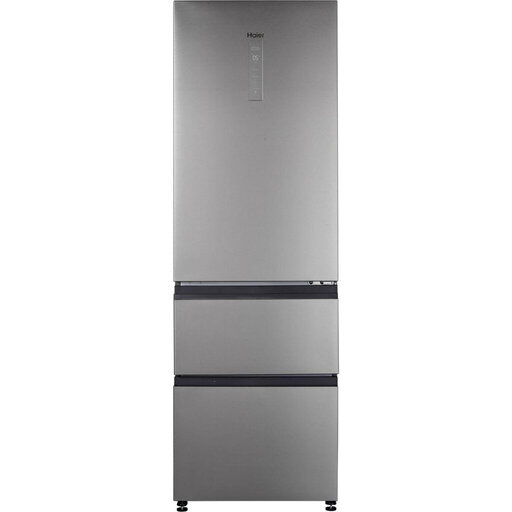 Image unavailable
Worth considering if you’d prefer a fridge freezer to a separate freezer. The 360 L refers to the stated capacity of the whole appliance, so check the freezer compartment’s capacity against your storage needs. The model name specifies Total No Frost and an E energy rating.
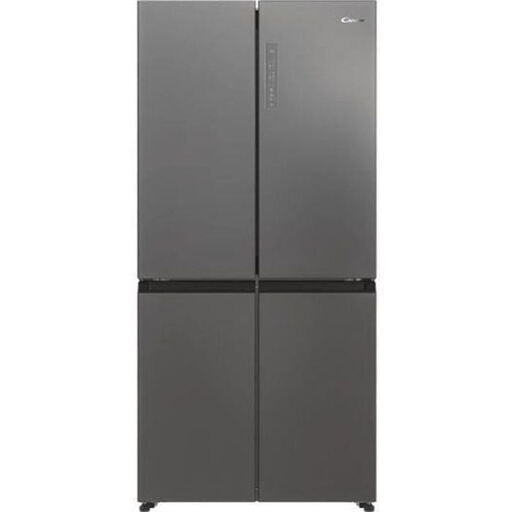 Image unavailable
Another option if you’d like to combine fridge and freezer storage in one appliance. The 467 L is the stated total capacity, not the freezer capacity alone, so check the latter before planning to store your bulk buys in it. The model is described as Total No Frost and has an E energy rating.
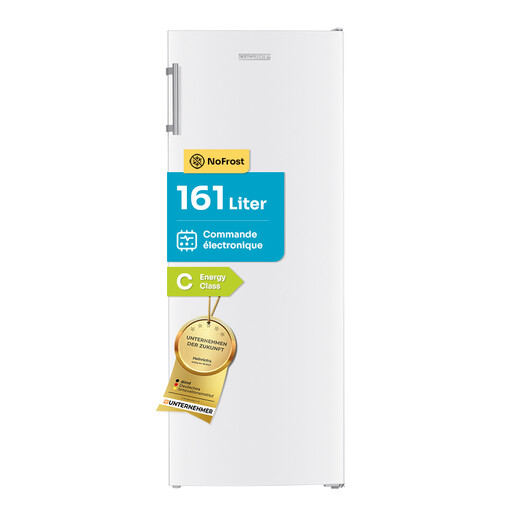 Image unavailable
The upright design and three drawers listed may work well for storing separate portions. The product name specifies No Frost and a C energy rating. Measure your dishes and the space you have available; if you plan to put it in a cellar or garage, check the permitted ambient temperature range too.
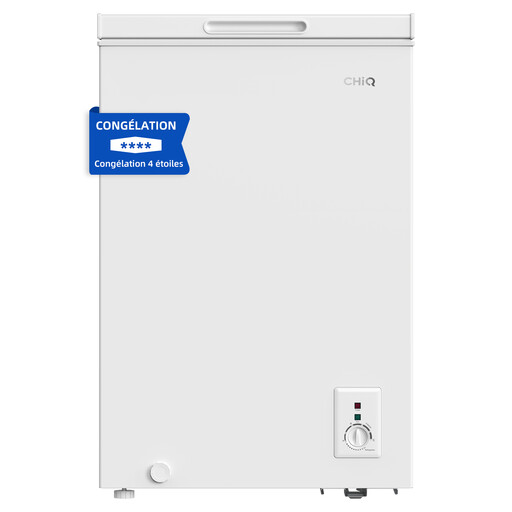 Image unavailable
Worth considering for extra storage if you’re happy with top access. The model name specifies a removable wire basket, a sliding lid and an E energy rating. Check how much room you’ll need to open the freezer and organise smaller portions.
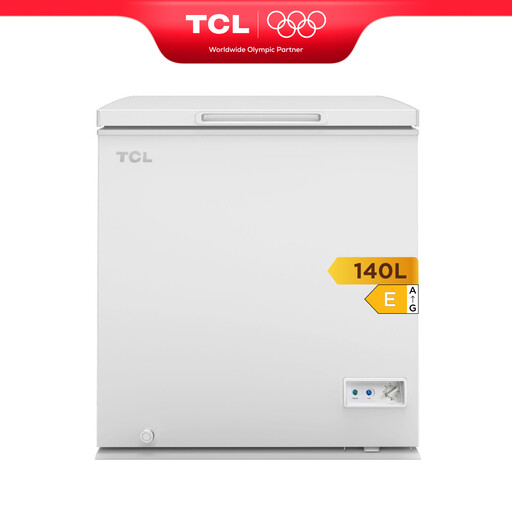 Image unavailable
This separate chest freezer may suit a household with a dedicated space for storing food. Its name specifies a basket, a counterbalanced lid and an E energy rating. Measure the floor space it will occupy and the clearance above the lid, then check that it’s suitable for the room’s temperature.
Yes, as long as the ambient temperature range specified for that model covers the temperatures in the room. Check how cold or warm the room can get in winter and summer, then consult the instructions. A chest freezer isn’t automatically suitable for an unheated room.
An upright freezer is generally a better fit if you want to separate and regularly find tubs or bags of food in drawers. Consider a chest freezer if your priority is storing bulky items and you can keep its large compartment organised.
It may be suitable as extra storage, but compare its net capacity with the amount you actually want to store. For reference, Beko states that its BU1204N built-in model has a capacity of 94 L. Also check the housing and installation requirements for the model you’re considering.
Check their stated annual energy consumption in kWh and their net capacity, ideally for appliances that meet the same storage needs. ADEME points out that a freezer runs continuously. The energy rating alone doesn’t tell you how much electricity a particular model is stated to use or how much it can hold.
It lets you compare how long each model is stated to keep food frozen during a breakdown or power cut. Check the figure and the conditions on the product page for the model you’ve chosen. For example, Whirlpool states 11 h for the WHFF 6403 W4E; this doesn’t apply to other models.