What should you compare before choosing?
If you want to store more food or prepared meals, compare freezer capacity, access to food and the room’s conditions before choosing a type.
Upright freezer
Consider it if: you often take out individual portions or want to organise them in drawers.
Check: that the drawers fit your containers and there’s enough clearance to open the door.
Chest freezer
Consider it if: you store bulky items and have enough floor space.
Check: how easy it is to reach food at the bottom and whether there’s enough space above the lid.
Large fridge-freezer
Consider it if: you’re replacing your fridge as well and need both compartments.
Check: the freezer capacity, which is separate from the appliance’s total capacity, and whether it will fit through to its intended spot.
| Criteria |
What to check |
Who it matters most to |
| Freezer capacity |
Capacity of the freezer compartment in litres; size of the containers you want to store at the same time. |
If you want to store a large amount or bulky items, compare the freezer capacity with what you plan to keep. Around 25% of consumers prioritise capacity. |
| Access and storage |
Number and ease of use of drawers or baskets; how easy it is to reach food at the bottom of a chest freezer. |
If you often take out portions, you’ll want to find them without having to move everything else. Around 25% of consumers prioritise access and organisation. |
| Location |
External dimensions and clearance needed to open the door; room temperatures to check against the model’s specifications. |
If space is limited or the appliance needs to go in a cold room, check that it’s suitable for that specific location. Around 20% of consumers prioritise installation requirements. |
| Energy consumption |
The model’s energy label and annual consumption in kWh/year, compared with its freezer capacity. |
As the appliance runs continuously, compare the kWh/year figure to understand its energy use. Around 15% of consumers prioritise this criterion. |
| Storage time during a power cut |
Stated storage time in hours for the exact model, and the manufacturer’s advice in the event of an incident. |
If a power cut could put a large amount of food at risk, check the stated storage time and the relevant advice. Around 15% of consumers prioritise protecting their food stocks. |
Products to suit your needs
This selection includes chest freezers for extra storage and fridge-freezers if you’re replacing your fridge too.
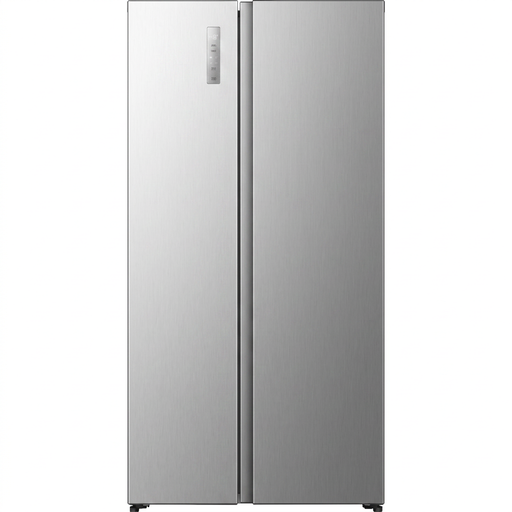 Image unavailable
Hisense RS3P558NEID, Side-by-Side fridge, 544 L, No Frost
A good option if you want plenty of storage in a combined appliance, with several spaces for organising frozen food.
Stated freezer capacity of 197 L, with four shelves, two drawers and three door balconies.
View on Joybuy
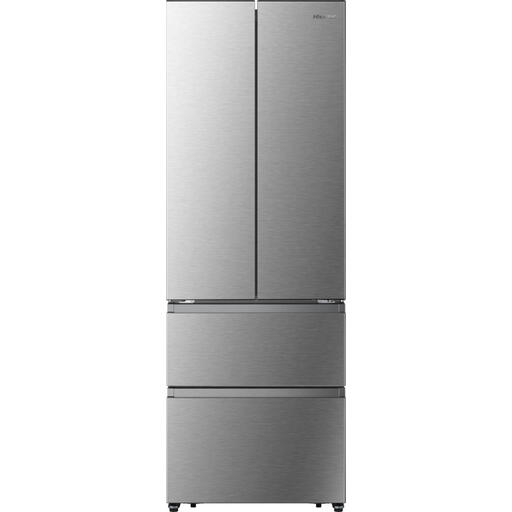 Image unavailable
Hisense RF632N4BCE, French Door fridge-freezer, 485 L, E energy rating
Worth considering if you’re also replacing your fridge and want a dedicated freezer compartment.
Stated freezer capacity of 149 L, with shelves, drawers and door balconies. No Frost and a noise level of 38 dB are listed in the product name.
View on Joybuy
 Image unavailable
AUCMA, 291 L convertible chest freezer
Add extra storage with a chest freezer. Select freezer mode to store frozen food.
Stated capacity of 291 L, a removable basket and five-level digital controls.
View on Joybuy
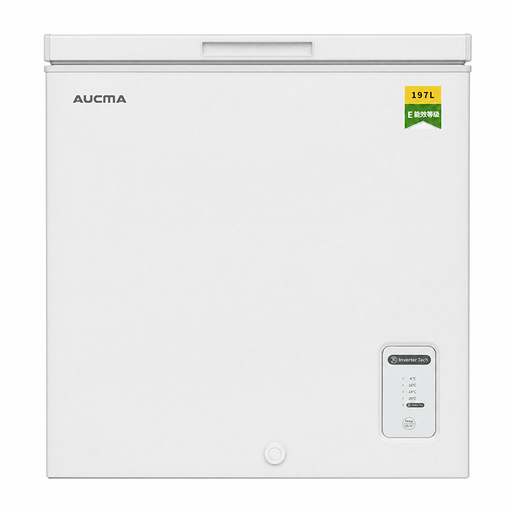 Image unavailable
AUCMA, 197 L convertible chest freezer
Add extra storage without replacing your fridge, using freezer mode for frozen food.
Stated capacity of 197 L, a removable basket and five-level digital controls.
View on Joybuy
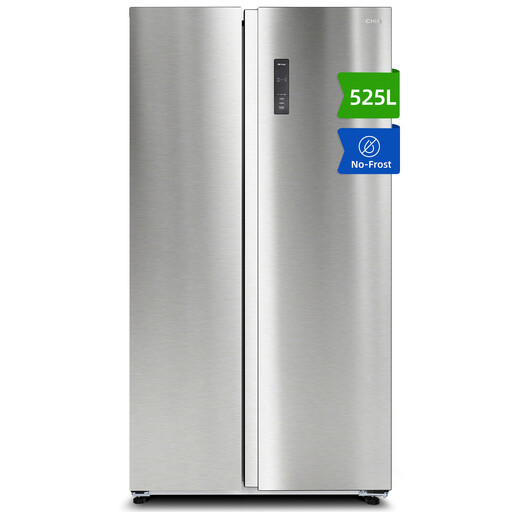 Image unavailable
CHiQ JR525WSE, Side-by-Side fridge-freezer, 525 L, E energy rating
Pair a large fridge compartment with a separate freezer compartment.
Stated capacities: 333 L for the fridge and 192 L for the freezer. No Frost and a Flip Tray function are listed in the product name; the drawer can be joined up to create a larger space.
View on Joybuy
Frequently asked questions
Is a fridge freezer compartment enough to freeze prepared meals?
Check that the compartment in the model you choose is suitable for freezing food, rather than relying on the word “freezer” alone. Whirlpool says a four-star compartment can freeze food at −18 °C. Anses explains that domestic freezing at −18 °C stops bacteria from multiplying, but does not eliminate most micro-organisms.
Can you install any freezer in an unheated garage?
No. Check the possible temperatures in the garage against the climate class and specifications for the exact model. Bosch Electroménager France describes climate class SN as suitable for a range of 10 to 32 °C; some models are rated for lower temperatures too. For example, Liebherr states that the CFd 2085 Plus chest freezer can operate at temperatures as low as −15 °C, but this feature doesn’t apply to all freezers.
How do you compare the energy consumption of two freezers?
Compare the kWh/year figures on the models’ energy labels and their respective freezer capacities. ADEME points out that fridges and freezers run continuously; actual consumption also depends on how and where you use the appliance.
What should you check for maintenance and after a power cut?
Check the cooling technology and defrosting instructions in the manual: NoFrost and SmartFrost don’t mean the same thing. Also compare the stated storage time in hours for the exact model. After a power cut, follow food safety advice based on the condition of the food. Anses points out that freezing does not destroy most micro-organisms.
What information and rights should you check when buying in France?
The DGCCRF states that the energy label and product information must be in French. For purchases made by an individual from a professional seller, the Ministry of the Economy explains that the statutory conformity guarantee applies to new, second-hand and refurbished goods, and gives you two years to make a claim. If you’re replacing an old appliance, ask the seller about take-back arrangements. A DGCCRF page published in 2017 describes the “one-for-one” take-back principle.


