Households that take out individual portions
If you prepare several meals, well-organised drawers can make it easier to reach containers and ingredients. The usable capacity is worth comparing too.


For portions you can find easily, an upright freezer with drawers is a good place to start; for bulky shopping, consider a chest freezer and how easy it is to reach food at the bottom. An under-counter model could work as an additional freezer, while a large fridge freezer is best suited to replacing your fridge as well. Whichever you choose, check the freezer capacity, dimensions, stated energy consumption and the ambient temperature range allowed for that specific model.
If you prepare several meals, well-organised drawers can make it easier to reach containers and ingredients. The usable capacity is worth comparing too.
For storing large quantities or bulky food, compare freezer capacity and how easy it is to reach your food, particularly anything at the bottom of a chest freezer.
If you’re considering a cellar, utility room or garage, measure the available space and check the ambient temperature range allowed for the model you have in mind.
Worth considering : if you often take out individual portions or ingredients and have enough vertical space.
Things to weigh up : vertical storage makes it easier to organise your food, but it doesn’t guarantee the capacity you need or lower energy consumption.
Worth considering : if you mainly store bulky items and have enough floor space.
Things to weigh up : food at the bottom may take more organising to keep it accessible.
Worth considering : as an additional appliance when there isn’t room for a larger model.
Things to weigh up : a table-top appliance isn’t automatically designed to be built in; check the installation instructions.
Worth considering : if you also need to replace your fridge and want both functions in one appliance.
Things to weigh up : the total capacity isn’t the same as the freezer space alone; compare the two capacities separately.
To compare styles, start with the portions and bulk items you actually store, then check the available space and installation requirements. UFC-Que Choisir highlights factors such as style, capacity and climate class.
| What matters | What to check | Who it matters to |
|---|---|---|
| Finding individual portions | Compare the number and flexibility of the drawers or baskets, then check the usable capacity. | When I prepare several meals, I want to find portions and ingredients without rummaging through the whole freezer. Around 36 % of consumers prioritise having easy access to portions. |
| Storing bulk shopping | Take stock of your containers and bulk items; compare the usable freezer capacity and external dimensions. | If I buy in bulk, I want enough room for everything without choosing a larger appliance than I need. Around 29 % of consumers put space for bulk shopping first. |
| Choosing an appliance to suit the room | Measure the space and compare the room’s possible temperatures with the instructions for the model. | If space is limited or the room isn’t heated, I want to check that the appliance can be installed there. Around 21 % of consumers prioritise whether the appliance is suitable for its location. |
| Managing running costs and maintenance | Compare kWh/year for models with a suitable capacity and check the maintenance instructions for the model. | If energy consumption and the time needed for defrosting matter to me, I compare these factors before choosing. Around 14 % of consumers prioritise running costs and maintenance. |
ADEME points out that freezers run continuously and their actual energy consumption depends, among other things, on their size and how they’re used. For a cold location, UFC-Que Choisir explains that the climate class corresponds to an ambient temperature range. Check the rating for the specific appliance you’re considering.
The fridge and freezer have separate capacities. For example, the Bosch KGN49XWEA has 330 l of fridge space and 108 l of freezer space, according to the manufacturer’s product information.
Compare the usable capacity of the freezer compartment alone with the items you want to store at the same time.
If the compartment isn’t big enough, you may need to keep a second appliance.
The allowed ambient temperature range depends on the model. The FrostProtect feature listed for the Liebherr CFd 2505 Plus doesn’t apply to every chest freezer.
Compare the possible temperatures in the room with those stated in the instructions for the exact model.
The dimensions of the Liebherr FTdi604 alone don’t confirm that it can be installed in an enclosed space.
Check the instructions and choose a model explicitly designed for your preferred installation method.
Manufacturers’ descriptions vary by technology and model: SmartFrost on the Liebherr chest freezer mentioned above doesn’t mean the same thing as No Frost on the Bosch upright freezer mentioned above.
Read the maintenance instructions for the specific model rather than relying on the technology name alone.
Upright freezers and fridge freezers to compare based on how much freezer space you actually need.
Chest freezers and compact models to consider based on the room, available space and capacity you need.
Chest and upright freezers to compare when weighing up horizontal storage against vertical organisation.
Freestanding upright freezers to consider when vertical storage suits your available space.
Chest freezers to consider for bulk shopping, making sure to check the specifications for the particular model.
This selection includes upright freezers for organising portions and fridge freezers for households that want to combine both appliances. With a fridge freezer, always compare the freezer capacity separately from the fridge capacity.
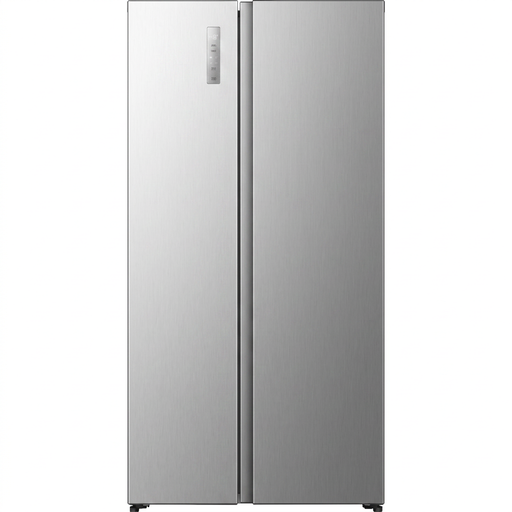 Image unavailable
Worth considering if you’re also replacing your fridge and want a separate freezer compartment.
The freezer compartment is listed at 197 l. The description mentions Total No Frost, Multi Air Flow and a water dispenser.
 Image unavailable
Worth considering if you want to organise portions separately in an upright freezer.
The title lists a capacity of 161 l, three freezer drawers, two additional drawers and No Frost protection.
 Image unavailable
Worth considering if you want a combined appliance with several freezer drawers for storing portions.
The description lists a 125 l freezer, three freezer drawers and Total No Frost.
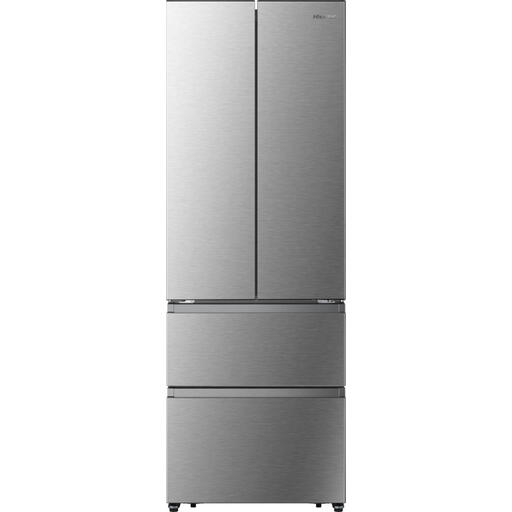 Image unavailable
Worth considering if you’re also replacing your fridge and want a separate capacity for frozen food.
The description lists a 149 l freezer, two dedicated compartments or drawers, Total No Frost and a water dispenser.
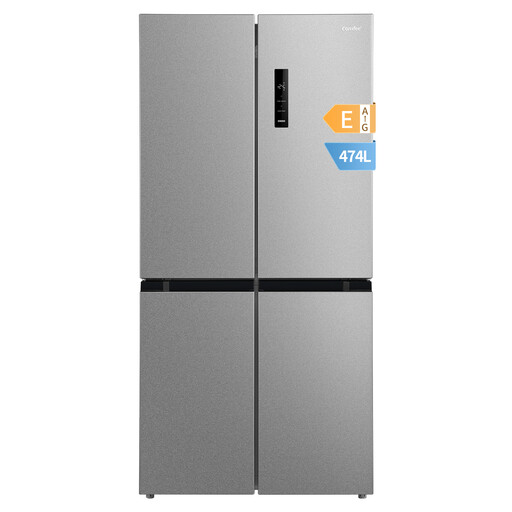 Image unavailable
Worth considering if you also need a fridge and want to adapt the freezer space to suit different-sized foods.
The description lists two freezer drawers that can be joined together and dimensions of 838 × 653 × 1 775 mm. Energy class E.
Compare the usable capacity of the freezer compartment alone with the items you want to store at the same time. For example, the Bosch KGN49XWEA has 108 l of freezer space, separate from its 330 l of fridge space.
No. Compare the possible temperatures in the room with the range allowed for the specific model. The manufacturer lists FrostProtect down to −15 °C for the Liebherr CFd 2505 Plus; this feature isn’t available on every freezer.
No. Bosch says the No Frost GSN58AWEV doesn’t need manual defrosting, while Liebherr says SmartFrost reduces the effort involved in defrosting the CFd 2505 Plus. Follow the maintenance instructions for the model you choose.
Compare the kWh/year shown on the energy labels of appliances with enough freezer capacity for your needs. ADEME points out that actual consumption depends, among other things, on size and use; the energy class alone won’t tell you what your bill will be.