Households that take out portions regularly
You prepare several meals and want to find the one you need quickly. The available capacity and drawer layout can help guide your choice.


For easy access to prepared meals, an upright freezer with drawers could be a good choice if you take portions out regularly. A chest freezer is better suited to a large stock and a home with enough floor space. If you only need to store a small amount, first compare the freezing capacity of a fridge freezer or compact freezer, then consider the annual energy consumption of any additional appliance.
You prepare several meals and want to find the one you need quickly. The available capacity and drawer layout can help guide your choice.
You store lots of portions at once and have space on the floor. You’ll need to weigh up capacity, access to food at the bottom of the freezer and ease of maintenance.
You only keep a small amount of frozen food and are deciding between a fridge freezer with enough freezing space and a small additional appliance. The space available and energy consumption are important considerations.
A good choice if: you take meals out regularly and want to organise them in separate drawers.
Check: the usable capacity, drawer layout and space needed to open the door.
A good choice if: you’re building up a large stock and have enough floor space.
Bear in mind: how easy it is to reach portions at the bottom and the space needed to open the lid.
A good choice if: you also need to replace your fridge and the freezer capacity meets your needs.
Check: the capacity of the freezer compartment separately from the appliance’s total capacity.
A good choice if: you’re keeping your fridge and need a small amount of extra capacity in a limited space.
Bear in mind: even a compact second appliance runs continuously, so check its annual energy consumption.
To compare models, start with the number of portions you’ll store at once. Then consider how easy they are to reach, the space available and the energy consumption of the appliances you’ll keep.
| What matters to you | What to check | Who it matters most to |
|---|---|---|
| Finding portions easily | Number and dimensions of drawers; usable freezer capacity. | I take portions out regularly and want to identify them without rummaging: around 33% of consumers prioritise easy everyday access. |
| Storing a large stock | Usable capacity, external dimensions and access to food at the bottom. | I prepare lots of portions at once and can set aside floor space: around 23% of consumers prioritise plenty of storage space. |
| Keeping space to a minimum | Freezer capacity of a fridge freezer; dimensions and opening clearance for an additional appliance. | I want more capacity without taking up too much space at home: around 22% of consumers prioritise a compact footprint. |
| Energy consumption and noise | Compare the kWh/year and dB(A) ratings of specific models; add together the energy consumption of the appliances you’ll keep. | I keep an eye on the energy consumption of an appliance that runs continuously, and on noise if it’s near a living area: around 22% of consumers make this a priority. |
ADEME points out that fridges and freezers run continuously. When comparing models, check their respective annual energy consumption rather than judging it by the appliance’s size or style alone.
Part of a fridge freezer’s capacity is taken up by the fridge compartment. For example, Bosch lists 103 L of freezer capacity and 260 L of fridge capacity for the KGN39VLCT.
First compare the freezer capacity in litres for each model, then check that your containers will fit in its compartments.
A chest freezer has an open interior, but its floor space and how easily you can reach food at the bottom can matter in everyday use. UFC-Que Choisir highlights the importance of ease of use when choosing a freezer.
Measure the space and check that you can open the lid and reach the contents.
ADEME points out that cooling appliances run continuously, so an additional freezer adds to the energy consumption of the appliances you keep.
Check the kWh/year for the model you’re considering and compare the total energy consumption of the appliances involved.
Liebherr describes SmartFrost on the FTe554 as a technology that reduces frost build-up and how often you need to defrost. Bosch says the No Frost technology in the GSN36VWEP eliminates the need for manual defrosting; these features apply to those specific models.
Check the technology listed and the care instructions for the model you choose.
The GSN36VWEP and KGN39VLCT models are examples of an upright freezer and a fridge freezer respectively.
The CFe 2500 Pure chest freezer and FTe554 compact freezer show two different capacities and installation styles.
The HCE200EFR and H4F306SDH1 models are examples of a chest freezer and an upright freezer with drawers.
The WHM251122 is an example of a domestic chest freezer.
This selection includes fridge freezers, compact freezers and chest freezers for storing prepared meals.
 Image unavailable
If you’re also replacing your fridge and want a dedicated compartment for frozen portions.
Stated capacity: 235 L for the fridge and 125 L for the freezer, split across 3 drawers. Total capacity is 360 L. The title lists Total No Frost, E energy rating, Wi-Fi and My Zone; stated energy consumption is 271 kWh/year.
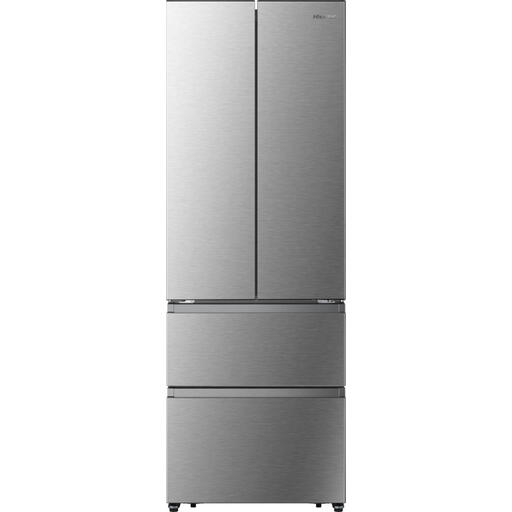 Image unavailable
Worth considering if you’re also replacing your fridge and want to compare a 149 L freezer compartment.
The stated capacity comprises 336 L of fridge space and 149 L of freezer space. The freezer has 2 drawers and 4 shelves; the stated freezing capacity is 11 kg/24 h. The title lists Total No Frost, E energy rating and 38 dB.
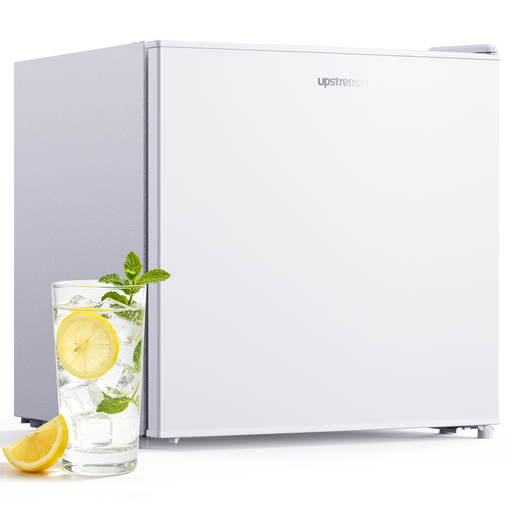 Image unavailable
A compact option to consider if you’re keeping your fridge and have little space for an additional appliance.
Stated capacity: 35 L. Listed dimensions: 47,5 × 44,2 × 48,8 cm; reversible door, 4-star rating and stated noise level of 41 dB. Stated energy consumption is around 0,4 kWh per day.
 Image unavailable
A dedicated chest freezer for storing portions, worth considering if you have enough floor space for it.
Stated capacity: 140 L, with a storage basket. The description lists a counterbalanced lid, castors and a front water drain.
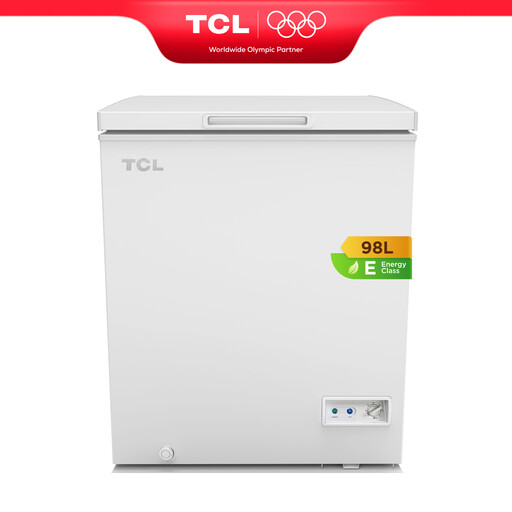 Image unavailable
A smaller-capacity chest freezer to compare if you’re looking for dedicated freezer space and have a suitable spot for it.
Stated capacity: 98 L, with a removable basket. The description lists a counterbalanced closing lid, adjustable thermostat and a defrost drain.
Count the portions you’ll have in the freezer at one time and consider how much room their containers take up. Then compare this with the usable capacity of the freezer compartment. With a fridge freezer, don’t rely on the appliance’s total capacity, and check that your containers will fit in the drawers.
It depends on the model and the ambient temperature range stated in its manual. Liebherr says the CFe 2500 Pure can operate at ambient temperatures down to −15 °C; this feature does not automatically apply to other chest freezers or fridge freezers.
No, according to the manufacturers’ stated features for the models in question. Bosch says the No Frost technology in the GSN36VWEP eliminates the need for manual defrosting; Liebherr describes SmartFrost on the FTe554 as reducing frost build-up and how often you need to defrost, but not eliminating it.
Compare the stated energy consumption in kWh/year for the models in question. If you’re keeping your fridge and adding a freezer, take both appliances’ energy consumption into account; ADEME averages are no substitute for the figures for the models you’re comparing.
The legal guarantee of conformity is mandatory for new, second-hand and refurbished goods sold by a business to a private individual. The French Ministry of the Economy explains that you can claim under it from the seller if the goods do not conform to the contract; it is separate from any additional commercial warranty.