If you’re only short of space for frozen food, choose a separate freezer based on how much you need to store and how easy you want it to be to access. A chest freezer is best for storing larger quantities, an upright freezer makes it easier to organise portions, and a compact model can provide extra capacity. A large fridge freezer is mainly worth considering if you also need to replace your fridge; if so, compare the capacity of its freezer compartment rather than its total capacity alone. Whatever you choose, measure the space and check the model’s climate class and annual energy consumption.
Who are these formats for?
Households that prepare several meals in advance
If you freeze portions for the week or month ahead, being able to organise and access them easily can matter just as much as capacity. Consider an upright freezer with drawers or a fridge freezer with a suitable compartment before opting for a chest freezer.
Households that buy in bulk
A chest freezer can give you the space you need to store bulk purchases or seasonal produce. You’ll need to set aside enough floor space for it, though, and check that the room temperature is suitable for the model you choose.
Households short on space
A tabletop or under-counter freezer can provide extra storage without taking up as much space as a larger appliance. Check its dimensions, opening clearance and freezer capacity against the meals you want to store.
Which criteria should you prioritise?
When planning meals and food shops, start with the amount of frozen food you need to store. Your choice between a separate freezer and a fridge freezer then depends on whether you also need to replace your fridge.
Chest freezer
Consider it: if you need to store a large quantity and have enough floor space.
Bear in mind: small portions at the bottom are less easy to reach than they would be in drawers.
Upright freezer
Consider it: if you organise portions and take them out regularly.
Bear in mind: the compartments offer less open storage space than a chest freezer.
Large fridge freezer
Consider it: if you also need to replace your fridge.
Bear in mind: only part of its total capacity is for frozen food.
Tabletop or under-counter freezer
Consider it: if you need to store a few extra meals or shopping in a tight space.
Bear in mind: its capacity is best suited to providing extra storage.
| Criteria | What to check | Who is it for? |
|---|
| Freezer capacity |
Compare the litres available for frozen food with the size and number of containers you use. |
If I freeze several meals and buy in bulk, I want to store everything without overfilling my current appliance. Around 33% of consumers put capacity first. |
| Access to portions |
Check the layout of the drawers or baskets, and how easy it is to reach food stored at the back. |
If I take portions out several times a week, I want to find them without moving everything else around. Around 25% of consumers prioritise organisation over capacity. |
| Location |
Measure the appliance and its opening clearance, as well as the delivery route; check the room temperature against its climate class. |
I need to install the appliance in a limited space or a room where the temperature varies. Around 25% of consumers put suitability for their chosen location first. |
| Replacing the fridge |
Compare the fridge and freezer capacities of the fridge freezer separately, then check its dimensions and annual energy consumption. |
I also need to replace my fridge, and would rather choose both storage spaces together. Around 17% of consumers prioritise replacing both appliances at once. |
When comparing appliances that suit your capacity needs, check the energy rating alongside the stated kWh/year, noise level and maintenance features of the specific model.
Mistakes to avoid
-
Relying on a fridge freezer’s total capacity
Some of that capacity is for chilled food, so it won’t necessarily solve a lack of space for frozen portions.
Compare the capacity of the freezer compartment alone with the boxes and bags you plan to store in it.
-
Installing an appliance without checking its climate class
The climate class indicates the ambient temperatures the appliance is designed to operate in. Depending on the season and model, a cellar or garage may fall outside this range.
Check the room’s minimum and maximum temperatures, then compare them with the range stated for the model you’re considering.
-
Underestimating the space a chest freezer takes up
You’ll need enough clearance to open the lid. Food at the bottom can also be harder to find if you often take out small portions.
Measure the available floor space and plan to organise the contents using baskets and labels. If easy access is a priority, compare upright freezers too.
-
Comparing only the energy rating letter
The rating letter alone doesn’t tell you the stated annual energy consumption or how much food the appliance can store.
For appliances with similar storage capacity, compare their kWh/year, usable capacity and maintenance features together.
Brands to compare
Bosch
The French range includes freestanding upright freezers and under-counter models: two formats to compare based on the amount you need to store and the space available.
- Bosch lists a capacity of 328 L and No Frost for its GSN54EWCV upright freezer, compared with 83 L for the GTV15NWEB under-counter model.
- These capacities and features apply to these specific models. Check their dimensions and energy consumption before choosing.
Beko
Some of the brand’s freestanding upright freezers are designed for use in unheated rooms; check the specifications of each model.
- Beko gives the BRFNE157E20W a climate class of SN-T and states that its Freezer Guard function allows it to operate at temperatures as low as −15 °C.
- Beko also lists a capacity of 177 L and energy consumption of 266 kWh/year for this model, so compare these with your needs too.
Whirlpool
The range includes chest freezers, upright freezers and fridge freezers, making it easy to compare separate freezer storage with replacing your fridge.
- The different formats make it possible to compare freezer capacity, access to food and the space each appliance takes up.
- Dimensions, interior layout and frost-control technology vary by model; check the product details for the one you’re considering.
Electrolux
The range of built-in freezers may suit households that need to fit an appliance into a fitted kitchen.
- Electrolux lists models in heights of 87.3 cm and 177.2 cm, with LowFrost or No Frost depending on the model.
- Check the exact model’s cooling technology, capacity and installation dimensions.
Products to suit your needs
These products let you compare two chest freezers for extra or larger-scale storage, an upright freezer for organising portions, and two fridge freezers if you also need to replace your fridge. Start by choosing the format that suits how you’ll use it, then check the location and the model’s specifications.
 Image unavailable
AUCMA, 291 L convertible chest freezer
Worth considering for storing meals or bulk purchases if you have enough floor space and can access the contents from above.
The product title lists a capacity of 291 L, switchable fridge and freezer modes, an energy rating of E and a removable basket. Check the climate class before installing it in an unheated room.
View on Joybuy
 Image unavailable
Heinrich’s, 161 L stainless steel upright freezer
Its upright design is suited to households that want to organise frozen portions and access them regularly.
The product title lists a capacity of 161 L, three freezer drawers, No Frost and an energy rating of C. Measure the space and door clearance, then check the annual energy consumption and climate class.
View on Joybuy
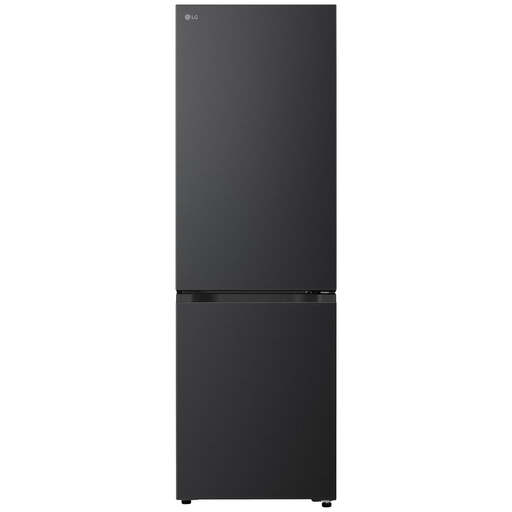 Image unavailable
LG GBBS312CEV, 333 L black fridge freezer
Consider this fridge freezer if you’re also replacing your fridge, rather than simply looking to increase your frozen food storage.
The product title lists a total capacity of 333 L and an energy rating of C. Compare the freezer capacity separately with the number of portions you need to store, and check the delivery route and installation clearances.
View on Joybuy
 Image unavailable
Samsung RF50C530EB1, 495 L black multi-door fridge freezer
Compare it with other fridge freezers if you want to replace your fresh and frozen food storage at the same time.
The product title lists a total capacity of 495 L and an energy rating of E. Check how much space is dedicated to the freezer, the interior layout and the clearance needed to open the doors.
View on Joybuy
 Image unavailable
CHiQ JR99DWE, 99 L white chest freezer
This compact chest freezer is worth considering for extra storage, provided you can keep the lid accessible.
The product title lists a capacity of 99 L, a removable basket, an adjustable thermostat and an energy rating of E. Compare its dimensions with the space available, and check the annual energy consumption and climate class.
View on Joybuy
Frequently asked questions
Do you need a separate freezer to avoid throwing food away?
Not necessarily. ADEME recommends planning meals and checking what you already have before shopping to avoid buying duplicates. Consider a separate appliance if, despite organising your food this way, you regularly run out of space for frozen portions.
Can you install a freezer in an unheated cellar or garage?
Yes, if the room’s actual temperatures stay within the range permitted for the model, or meet any specific suitability stated by the manufacturer. Compare seasonal temperatures with its climate class: Bosch, for example, lists a range of 10 to 43 °C for climate class SN-T, while Beko states that its BRFNE157E20W with Freezer Guard can operate at temperatures as low as −15 °C.
What should you compare on the energy label of two freezers?
Compare the energy rating and stated annual consumption in kWh, while keeping in mind how much freezer capacity you need. To understand how each model will work for you and fit in your home, also check its dimensions, noise level and maintenance features.


