Households building up a large stock of food
If you store bulky items or food you use less often, consider a chest freezer. Make sure you have enough floor space and can reach the food at the bottom.


If you need to store a large amount of food that you only access occasionally, consider a chest freezer. If you reach for frozen food every day, the drawers in an upright freezer can make it easier to organise and access. A compact model is better suited to occasional extra storage, while a larger fridge-freezer will only replace a separate appliance if its freezer compartment is big enough. In every case, check the room temperature, installation space, stated power-cut storage time and annual energy consumption against the specifications of the exact model.
How often you reach for your food matters just as much as how much you need to store: chest, upright and compact freezers each suit different needs.
If you store bulky items or food you use less often, consider a chest freezer. Make sure you have enough floor space and can reach the food at the bottom.
An upright freezer with drawers makes it easier to organise food for frequent access. Check how much space you need in front of the door and whether you can pull the drawers out fully.
A compact or under-counter freezer is worth considering if you want to add to your existing freezer space in a small room. If you’re also replacing your fridge, compare the freezer capacity of fridge-freezers separately from their total capacity.
First work out how much food you need to store and how often you’ll access it. Then check that the model will work and can be opened in the space you have in mind.
| What to consider | What to check | Think about your needs |
|---|---|---|
| Access to food | Check the drawers in an upright freezer or the baskets in a chest freezer. Make sure you can reach items at the bottom and that there’s room for the door or lid to open. | “I often reach for frozen food” points to compartments that are easy to browse. If you access your stock less often, a top-opening freezer could work, as long as you can reach the bottom easily. |
| Freezer capacity | Compare the usable capacity of the freezer compartment. For a fridge-freezer, distinguish it from the fridge capacity and the total capacity. | If I’m replacing my fridge too, the fridge-freezer needs enough room for my frozen food; its total capacity alone won’t tell me that. |
| Space and installation | Measure the appliance, the route into the room and the space needed to open it. Check the model’s instructions for ventilation clearances, and make sure the floor is stable and level. | A chest freezer needs enough room for the lid to open in my home. In front of an upright freezer, I need space to open the door and handle the drawers. |
| Room temperature | Compare the room’s minimum and maximum temperatures with the model’s climate class. Bosch lists the following ranges: SN, 10 to 32 °C; N, 16 to 32 °C; ST, 18 to 38 °C; T, 18 to 43 °C. Check the exact class, including whether it has more than one designation. | Whether it’s going in a cellar, garage or warm kitchen, I check the permitted temperature range throughout the year rather than assuming the location is suitable. |
| Storage time during a power cut | Compare the stated time in hours for each model; don’t try to estimate it from the type or capacity. UFC-Que Choisir also assesses how well food stays frozen during a power cut as part of its testing. | If power cuts are a concern for my household, I check the stated time for the models I’m considering before making a choice. |
| Energy consumption | Compare annual consumption in kWh/year and the energy rating of appliances with a similar type and freezer capacity. The European EPREL database also lists compartment capacities and dimensions. | I want to compare the electricity use of appliances that can store a similar amount of frozen food, not just their energy rating letters. |
A large chest freezer can be awkward for everyday use if the food you want is at the bottom. An upright freezer’s drawers, on the other hand, need space to open and be handled.
Start by thinking about how often you’ll access your food, then check the baskets or drawers and make sure there’s enough room to open the appliance where you plan to put it.
A climate class specifies the range of ambient temperatures an appliance is designed for. An unheated room may fall outside the range for a particular model.
Compare the room temperature with the climate class shown on the product details, rating plate or instructions for the exact model.
The kWh/year figures for two appliances don’t tell you which is the better choice if their types and freezer capacities are very different.
Compare models with a similar capacity and design, then check their annual consumption and installation requirements.
These brand examples show the kinds of specifications to check on individual models; they don’t represent every product in each range.
Bosch offers upright freezers and freestanding fridge-freezers, among other appliances.
Whirlpool’s range includes both chest freezers and fridge-freezers.
Liebherr offers chest and upright freezers, including some models designed for particular installation conditions.
This selection includes chest freezers for building up a stock of food, as well as fridge-freezers to consider if you’re replacing your fridge too. Compare freezer capacity and overall size according to how you plan to use the appliance.
 Image unavailable
Worth considering if you’re replacing your fridge too. Check the capacity of the freezer compartment separately from the appliance’s stated 360 L total capacity. The product description lists Total No Frost, an E energy rating and Wi-Fi connectivity. Check the instructions for the clearances needed for installation.
 Image unavailable
If you’re considering a single appliance for both chilled and frozen food, check that the freezer compartment offers enough space for your needs. The product description lists a width of 54 cm, a height of 176 cm and Low Frost. Make sure the room temperature and ventilation requirements in the instructions suit your space.
 Image unavailable
This 291 L chest freezer is worth considering if you want top-opening storage; its removable basket helps keep smaller items organised near the top. The product description lists fridge and freezer modes. Before choosing it for your room, check the climate class, storage time during a power cut and the space needed around the appliance.
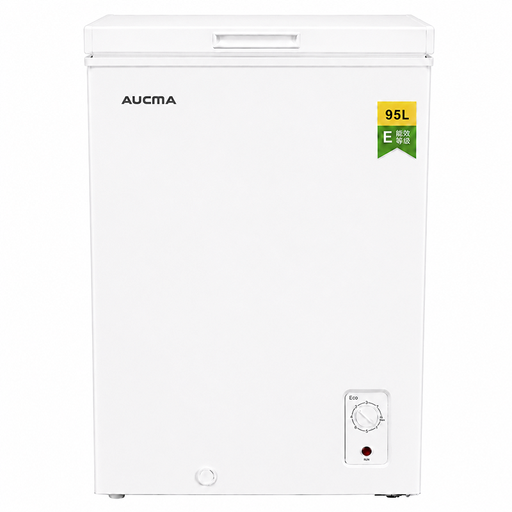 Image unavailable
This 95 L chest freezer offers extra storage if a top-opening design suits your space. The product description mentions a removable basket, a 7-level thermostat and fridge and freezer modes. Check the instructions for ventilation requirements, climate class and storage time during a power cut.
 Image unavailable
This 140 L chest freezer could suit top-opening storage, provided you have enough room to open the lid. The product description mentions a storage basket, a counterbalanced lid, adjustable feet and an E energy rating. Also check the model’s annual energy consumption, climate class and storage time during a power cut.
Choose a model whose ambient temperature range covers the room’s temperatures throughout the year. Bosch lists SN for 10 to 32 °C, N for 16 to 32 °C, ST for 18 to 38 °C and T for 18 to 43 °C. Check the climate class, including any combined designation, on the rating plate or in the instructions for the exact model. A claim that one particular chest freezer is suitable for a cold room doesn’t apply to other models.
Measure the route into the room and the space where you plan to put the appliance, then compare these measurements with the appliance dimensions. Allow for the lid or door to open, room to handle the drawers and the ventilation clearances specified in the model’s instructions.
No. Compare the stated time for each model in the same unit rather than estimating it from the capacity or appliance type. For example, Whirlpool lists 41 hours for its W3RHS19DW chest freezer and Bosch lists 12 hours for its GSN58AWEV upright freezer. These figures don’t apply to all chest or upright freezers.
Compare the energy rating and annual consumption in kWh/year for models with a similar design and freezer capacity. The European EPREL database includes details such as annual consumption, dimensions and compartment capacities. For a fridge-freezer, check exactly how much space is set aside for frozen food.