If the freezer compartment you have is no longer big enough for your family’s batch-cooked meals and food shopping, consider adding a separate freezer once you’ve reorganised your storage. According to Que Choisir, a chest freezer is well suited to larger stocks, while an upright freezer makes food easier to access. A fridge-freezer may be enough if you’re also replacing your main appliance and freeze less food. Whichever option you choose, check the freezer capacity in litres, the space available and the ambient temperature range the model can operate in.
Who is this choice for?
Families who freeze food in bulk
If you batch-cook several portions or store large amounts of food, measure your containers and check the space available. A large capacity is only practical if you can also reach food at the bottom, as Que Choisir points out.
Households taking out portions every day
If you regularly look for a particular meal, easy-to-remove drawers or baskets may matter more than maximum capacity. Que Choisir includes food accessibility among its ease-of-use criteria.
Households short on kitchen space
If there’s no room for a second appliance, compare the freezer capacity of a fridge-freezer with your actual needs. Remember to allow space for the door to open and for ventilation.
How do the different formats compare?
Start by taking stock of the meals and food you already store. Better-organised storage may make things easier to find, but it won’t give you extra capacity. If you still need another appliance, choose a format based on how much you need to freeze and how often you take out portions.
Chest freezer
Consider it: for large stocks or bulky containers, if you have enough floor space.
Bear in mind: food at the bottom is less easy to reach, so you’ll need to keep things organised. Que Choisir describes this format as suitable for larger quantities.
Upright freezer
Consider it: if you often need to find portions sorted by category in drawers.
Bear in mind: the drawers limit the size of containers you can store, even if the overall capacity suits your household.
Fridge-freezer
Consider it: if you’re also replacing your fridge and don’t need to freeze large quantities.
Bear in mind: only the freezer compartment can be used to store frozen meals, not the fridge-freezer’s total capacity.
For shoppers who freeze meals and food for several people, the priorities below show which criteria are most likely to influence their choice.
| Criteria |
What to check |
Who is it for? |
| Freezer capacity |
Compare the capacity in litres allocated to freezing and measure your largest containers. |
If I prepare several meals at once, I want to store my containers without piling up the food. Around 33% of shoppers would put capacity first. |
| Access to portions |
Check the drawers or baskets and make sure containers are easy to take out. |
If I take a meal from the freezer almost every day, I want to find it without moving everything else. Easy access would be a priority for around 27% of shoppers. |
| Where it will go |
Measure the space and check that the door can open; compare the room temperature with the range the model supports. |
If the appliance needs to fit in a tight space or an unheated room, I first need to know whether it can be installed there. Around 20% of shoppers would prioritise this constraint. |
| Energy use and maintenance |
For similar capacities, check the kWh/an figure and the defrosting type. |
If the freezer runs all the time, I want to compare its energy use and find out what maintenance it needs. Around 20% of shoppers would be guided by this priority. |
What should you watch out for before buying?
-
Choosing a chest freezer based on capacity alone
According to Que Choisir, how easy it is to access food is part of what makes an appliance comfortable to use. In a chest freezer, portions stored at the bottom may be harder to find day to day.
Check that your largest dishes will fit and see whether the model has baskets. If you often take out smaller portions, compare how easy they are to reach in an upright freezer too.
-
Assuming any freezer will work in any cellar or garage
The climate class defines the ambient temperature range the model is designed for. Bosch says that temperatures outside this range can affect the appliance’s operation and energy use.
Compare the room’s minimum and maximum temperatures with the specifications for the exact model. Beko says some Freezer Guard chest freezers can operate at temperatures as low as -15 °C, but this doesn’t apply to other models.
-
Measuring the appliance without allowing for the door to open
An appliance may fit in the space you’ve planned for it, but still need more room for its door or lid to open and for heat to escape.
Measure the access route and the space around the appliance, then follow the instructions. As a general guide for freestanding appliances, Whirlpool recommends 5 cm above and 10 cm behind. Integrated models have their own specifications.
-
Comparing energy ratings alone
Two appliances with different capacities may not meet the same storage needs. The letter on the energy label doesn’t replace checking the capacity and annual energy consumption.
First compare formats and capacities that suit your needs, then consider the A to G rating, kWh/an, noise level and defrosting requirements together.
Brands to consider
These brands are examples of formats and features to compare. The details mentioned apply to the ranges or models specified, not necessarily to every appliance they make.
Beko
Beko offers chest freezers designed for household storage, among other appliances.
- The brand offers high-capacity chest freezers and says that some Freezer Guard models, including the HSM46740, can operate at ambient temperatures as low as -15 °C.
- This capability doesn’t apply to all Beko chest freezers, so check the temperature range for the model you’re considering.
Whirlpool
Whirlpool offers upright freezers and fridge-freezers with different configurations.
- Whirlpool’s product details for the WHFF6403W4E upright freezer list a capacity of 404 L, No Frost and a stated noise level of 38 dB.
- These features apply to the WHFF6403W4E. Check the capacity, dimensions and drawers of any other model separately.
Bosch
Bosch offers upright freezers and freestanding or integrated fridge-freezers.
- Its ranges include models with drawers and, depending on the model, No Frost.
- Check the specifications for your chosen model to confirm its dimensions, climate class and features, particularly if you’re planning an integrated installation.
Joybuy products by format
These models illustrate three options: an upright freezer for organising portions, a chest freezer for bulk storage, and fridge-freezers if you also need space for fresh food. With fridge-freezers, always check the freezer compartment capacity separately from the total capacity.
 Image unavailable
Heinrich´s 161 L upright freezer, stainless steel
Worth considering if you’d rather organise portions in an upright freezer than a chest freezer.
Stated capacity of 161 L. The product name mentions drawers, No Frost, an LED display, an alarm and a reversible door. Check the dimensions and ambient temperature range before choosing where to put it.
View on Joybuy
 Image unavailable
AUCMA 291 L convertible chest freezer
Worth considering for bulky food shopping if the room has enough space for the chest freezer and its lid to open.
The product is described as convertible between fridge and freezer, with a removable basket, LED light and defrost drain. Confirm the capacity available in freezer mode and the ambient temperature range for the intended location.
View on Joybuy
 Image unavailable
Samsung RF50C530EB1 495 L fridge-freezer, black
Worth considering if you’re replacing your main fridge while keeping space for frozen meals.
The stated 495 L capacity is for the whole appliance, not just the freezer compartment; its energy rating is E. Confirm the capacity for frozen food and the door layout before checking the space needed for installation.
View on Joybuy
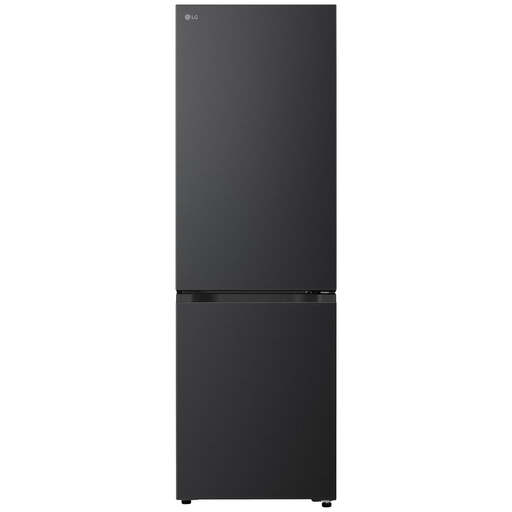 Image unavailable
LG GBBS312CEV 333 L fridge-freezer, black
Compare it with a separate appliance if you also need to store fresh food and don’t need much freezer space.
The product name lists a total capacity of 333 L and an energy rating of C. Check the freezer storage capacity in litres and the dimensions separately to make sure your meal containers will fit.
View on Joybuy
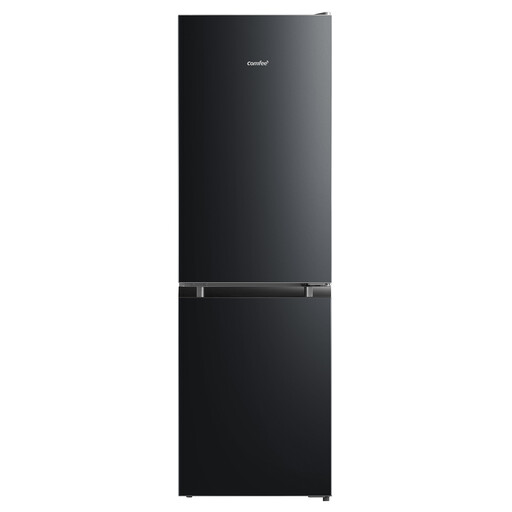 Image unavailable
Comfee' by Midea RCB230BL2EU(E) 174 L fridge-freezer
Worth considering if you’re looking for a fridge-freezer, provided its freezer capacity is enough for your household’s meals.
The product is described as a freestanding 174 L model with Low Frost, an adjustable thermostat and a reversible door. Low Frost isn’t the same as No Frost: check the instructions for defrosting, along with the freezer capacity and climate class.
View on Joybuy
Frequently asked questions
Do you always need a separate freezer for family meals?
No, not if your fridge-freezer’s compartment can hold the portions and food you want to store, and you can organise them easily. If you’re replacing your fridge, compare the freezer capacity in litres of different fridge-freezers. For larger stocks, Que Choisir highlights the capacity of a chest freezer and the easier access offered by an upright freezer.
Can you put a freezer in a garage or cellar?
Yes, as long as the room temperature stays within the range supported by your chosen model. Check its climate class and instructions rather than relying on whether it’s a chest or upright freezer. Beko says only some Freezer Guard models can operate at temperatures as low as -15 °C.
How much space should you leave around a freezer?
Leave the clearances specified in the instructions, as well as enough room to open the door or lid fully. As a general guide, Whirlpool recommends 5 cm above and 10 cm behind a freestanding appliance; an integrated model may need to be installed differently.
How should you use the energy label to compare two models?
Compare the energy rating with annual consumption in kWh and freezer capacity, ideally between appliances that meet the same needs. The European Commission sets out the A to G scale used for relevant appliances in the European Union. Its EPREL database lets you look up standardised product information.


