
Livraison le jour même ou le lendemain

Qualité garantie

Débloquez vos offres de bienvenue: Livraison GRATUITE | Jusqu'à -80 % | 30 jours d'essai gratuits à JoyPlus
Téléchargez l'application
A well-organised freezer is your ticket to wasting less food, saving precious time in the kitchen, and enjoying your favourite meals with their original flavour intact. But let's be honest: choosing the right freezer container can be a real headache. Faced with marketing hype and a jungle of materials, we often end up with containers that crack on first impact, lids that won't seal, and food ruined by freezer burn.
As the Head of Product Recommendations at Joybuy, my job is to unearth the hidden gems. Let's break down the common pitfalls and focus on the criteria that truly matter, so you can make a smart, sustainable choice that's perfectly suited to your daily life.
Before you make a decision, watch out for these recurring issues that can render a freezer container completely ineffective, or even useless.
For optimal food preservation in your freezer, three key points must be carefully considered.
Each option has its strengths and weaknesses. It all comes down to how you plan to use them.
glass food container (borosilicate): The healthy and ultra-versatile option. Borosilicate glass can withstand extreme temperature swings, allowing you to move the container from the freezer to the microwave (without its lid). It resists both odours and stains. Its only drawbacks? It's heavy and can break if dropped.stainless steel food container: Lightweight, virtually indestructible, and perfectly hygienic, stainless steel is a long-term investment. It cools food down quickly and isn't afraid of being dropped. The only downsides: it's not microwave-safe, and its opacity means you'll be playing a guessing game to identify the contents.reusable freezer bag: Perfect for awkwardly shaped items (cuts of meat, loose vegetables) and for using every last nook and cranny of your freezer. Aluminium-lined versions add extra protection against light and odours.A truly airtight food container is defined by its winning combination: a removable silicone seal integrated into the lid and a robust four-sided locking system. This pairing creates an unbeatable barrier against air and liquids, protecting your meals from drying out and preventing odours from mixing.
For a tidy freezer, stackability is non-negotiable. Look for containers with flat bases and lids designed to nest securely without wobbling. Multi-size sets are an excellent way to adapt to any scenario, from small dinner leftovers to batch-cooked meals for the entire week.
Here are a few options that cater to different user profiles, selected based on durability and practicality.

Why we chose it: This set is for those who think big and prep their meals in advance. The 316 stainless steel is renowned for its incredible resilience (including corrosion resistance) and durability, making it a long-lasting investment for heavy use.
Unlike plastic that can crack, stainless steel is unbreakable and won't turn brittle in the freezer. Its clip-on lids ensure a reliable seal to preserve freshness.
Ultra-durable and hygienic material; a set of 3 sizes (0.6 L, 1.1 L, 2.2 L) for maximum versatility.
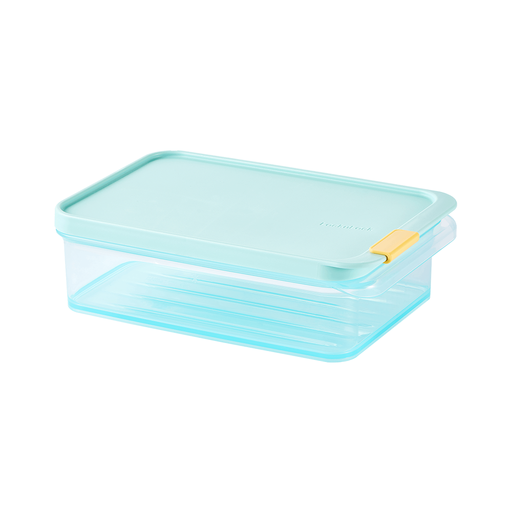
Why we chose it: This container was designed for one thing: meticulous freezer organisation. Its modular system, featuring a recessed lid, allows for perfectly stable stacking that transforms chaos into a model of efficiency.
It directly tackles the plague of unstackable containers that waste precious space. Its plastic (PP) is specially formulated to resist freezing temperatures without warping or cracking.
Ultra-stable modular stacking system and a transparent body to identify contents at a glance.
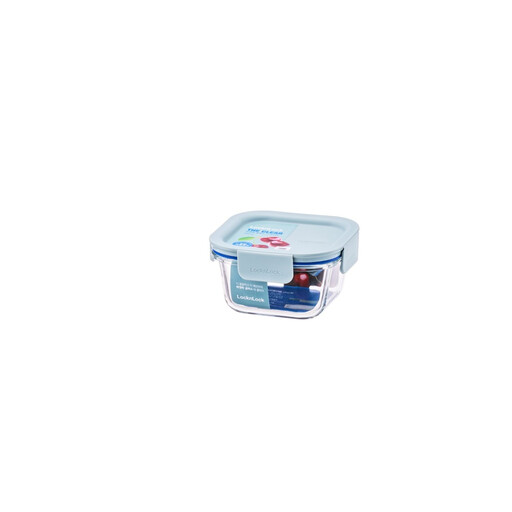
Why we chose it: For those who want to freeze, defrost, reheat, and even cook in a single dish. The borosilicate glass withstands extreme temperatures (up to 400°C without the lid, according to the manufacturer), offering unmatched versatility.
Its borosilicate glass is specially treated to handle thermal shock, eliminating the risk of breakage associated with ordinary glass. The clip-locking system ensures an excellent seal.
Goes from the freezer to the oven or microwave (without the lid), retains no odours, and is very easy to clean.
Our selection doesn't end here. Explore our full range of products that meet our strict quality criteria and the highest safety standards.
1. Can you put a glass container directly from the freezer into the oven?
Even though borosilicate glass is highly resistant to thermal shock, it's best to be cautious. Ideally, let the dish sit at room temperature for a few minutes before putting it in the oven. Most importantly, always remove the plastic lid before placing it in the oven or microwave.
2. What's the best way to clean a reusable freezer bag?
To ensure perfect hygiene and make them last, wash them by hand with warm water and mild soap. A small brush (like a bottle brush) is perfect for reaching the corners. The crucial step is drying: let them air-dry completely, upside down on a drying rack, to prevent any mould from growing.
3. How can you prevent freezer burn for good?
Freezer burn is simply food drying out from contact with air. To prevent it, the golden rule is to remove the air. Use an airtight food container that's the right size for your food to minimise empty space. With a bag, squeeze out as much air as possible before sealing it. Also, remember to freeze your meals quickly after they've been prepared.