For a large stock of food, choose a chest freezer if you have room to open it and organise its contents. If you often reach for pre-prepared portions, an upright freezer with compartments will be more convenient. A compact model suits additional storage, while a fridge freezer could save you from having to install a second appliance. Whatever you choose, check the freezer capacity, dimensions with the door open and the permitted ambient temperature range against the conditions in your home.
Who are these options for?
Households that need plenty of family storage
If you buy or cook in bulk and have a pantry, cellar or utility room, first check how much capacity you need and whether the appliance is suitable for the temperature in that room. Easy access to each portion may matter less than overall storage capacity.
People who prepare portions in advance
If you regularly store containers, bags or meals to take out during the week, compartments that are easy to see and reach may be more important than a large open space.
Households short on space
To add extra storage without blocking the kitchen, measure the space, access route and clearance needed to open the appliance. Also check that the remaining freezer capacity meets your needs.
Which features should you prioritise?
The right type of freezer depends mainly on how much you need to store, how often you access your food and how much space you have. UFC-Que Choisir highlights the difference between high-capacity chest freezers and more compact upright models.
Chest freezer
Consider it: for large amounts of shopping or bulky containers, if you have enough floor space and room to lift the lid.
Bear in mind: portions at the bottom can be harder to reach, so you’ll need to organise them carefully.
Upright freezer
Consider it: if you want to sort pre-prepared meals into compartments and access them frequently.
Bear in mind: drawers can restrict the space available for larger containers.
Compact or under-counter freezer
Consider it: for extra storage in a small space or a suitable alcove.
Bear in mind: its limited capacity may not be enough for a household that needs plenty of storage.
Fridge freezer
Consider it: if there’s no room for a separate appliance and you also need to keep food fresh.
Bear in mind: only part of the total capacity is dedicated to freezing.
| Feature |
What to check |
Who it matters to |
| Storage capacity |
Compare the litres of freezer space with the size of your dishes and bags. If you freeze a lot of fresh food at once, check the freezing capacity too. |
If I store shopping and several meals in bulk, I need enough room for my containers without overfilling the freezer. Around 28% of consumers would prioritise this capacity. |
| Access to portions |
Look at the layout of the model: its drawers, baskets and compartment heights should suit your containers. |
When I often take out a pre-prepared meal, I want to find it without moving other food. Around 22% of consumers would put access and storage first. |
| Suitability for the room |
Measure the appliance, access route and clearance needed to open it. Compare the room’s temperatures throughout the year with the ambient temperature range permitted for the model. |
In a small home or an unheated room, I first need to know whether I can install and use the appliance there. This would be the main concern for around 22% of consumers. |
| Everyday use |
Compare energy consumption in kWh/year and noise in dB(A). Check the defrosting method and, if you’re storing a lot, the stated storage time in the event of a power cut. |
As the appliance runs continuously, I keep an eye on its energy use and the maintenance needed to keep my food easy to manage. Around 17% of consumers would prioritise these features. |
| One appliance only |
With a fridge freezer, distinguish the freezer compartment’s capacity from the total capacity and check the installation dimensions. |
If I can’t add a chest or upright freezer, I need to know how much room I’ll actually have for frozen food in a single appliance. This would be the priority for around 11% of consumers. |
Mistakes to avoid
-
Choosing a chest freezer based on capacity alone
In a large, open compartment, the portions you use each week can be difficult to find behind other food.
If you access your freezer often, compare it with an upright model. If you choose a chest freezer, plan to organise food using baskets and dates.
-
Installing the appliance without checking the room temperature
According to Beko France, the climate class indicates the ambient temperature range the appliance is designed for. So an unheated garage or cellar isn’t automatically suitable for every model.
Note the room’s minimum and maximum temperatures, then check the permitted range for the exact model before deciding where to put it.
-
Comparing only the energy rating letter
Two freezers can differ in capacity, annual energy consumption and noise level. The rating letter alone doesn’t tell you everything about their day-to-day use.
Compare the kWh/year, freezer capacity in litres and dB(A) ratings of appliances that meet the same storage needs.
-
Freezing food to make up for improper storage
Anses states that home freezing at −18 °C stops bacteria from multiplying, but doesn’t destroy most micro-organisms. It won’t make up for food having been stored incorrectly beforehand.
Maintain the cold chain and freeze food as soon as you buy it or prepare it, rather than waiting until its storage life is nearly over.
Freezer brands to know
Bosch
Bosch offers freestanding and built-in upright freezers, as well as other high-capacity options.
- Some models feature No Frost and practical storage layouts.
- Check the features, capacity and dimensions of the model you’re considering, as they don’t apply across the whole range.
Liebherr
Liebherr’s chest freezer range includes options designed for high-capacity storage.
- Liebherr lists StopFrost, SoftSystem or LED lighting on some chest freezers.
- Features vary by model. Check the capacity, defrosting method and climate range too.
Beko
Beko offers chest freezers, including some models designed for use in unheated rooms.
- Beko states that some models with Freezer Guard are designed to operate in ambient temperatures as low as −15 °C.
- Don’t assume this applies to other models: check the exact product specifications against the temperatures in your room.
Electrolux
Electrolux’s range includes compact built-in models, upright freezers and chest freezers.
- These formats let you compare options for limited space, compartmentalised storage and high-capacity storage.
- No Frost, Low Frost and interior layouts vary by model.
Whirlpool
Whirlpool offers chest and upright freezers, as well as fridge freezers to suit different installation spaces.
- The range lets you compare a separate freezer with a fridge freezer when space is limited.
- For a built-in model, pay particular attention to the alcove, dimensions and capacity set aside for freezing.
Appliances to suit your storage needs
These appliances suit a range of needs: extra storage for smaller quantities, compartmentalised storage in an upright freezer, bulk storage in a chest freezer or freezing space built into a fridge freezer. Compare each type with the space you have and the capacity you actually need.
 Image unavailable
COMFEE' RCU60WH2(E) upright freezer, 60 L
A practical way to add a little extra storage and separate portions in a small space.
The product title lists three compartments, a reversible door and an E energy rating. Measure the space and check the climate range and annual energy consumption before installation.
View on Joybuy
 Image unavailable
Heinrich´s upright freezer, 161 L, No Frost, stainless steel finish
Worth considering if you’d like to organise pre-prepared portions in an upright freezer rather than an open chest freezer.
The product title lists freezer drawers, No Frost and a C energy rating. Check the dimensions, annual energy consumption, climate class and the model’s temperature guidance to make sure it suits your needs.
View on Joybuy
 Image unavailable
AUCMA convertible chest freezer, 291 L
Its chest design suits bulk storage if you can make room for the appliance and allow enough space to open it.
The product title lists selectable fridge and freezer modes, a removable basket and an E energy rating. Before installing it in a cellar or garage, check the selected freezer mode and the permitted ambient temperature range.
View on Joybuy
 Image unavailable
CHiQ JR99DWE chest freezer, 99 L
This smaller-capacity chest freezer can provide extra storage if you prefer a top-opening design.
The product title lists a removable basket, adjustable thermostat and an E energy rating. Check the space needed to open it, the defrosting method, annual energy consumption and climate range.
View on Joybuy
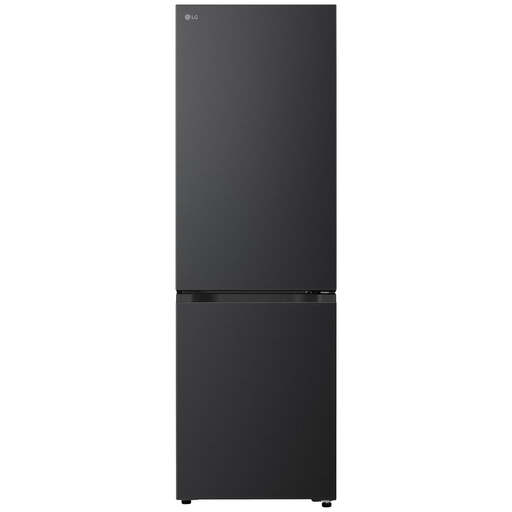 Image unavailable
LG GBBS312CEV fridge freezer, 333 L, black
Consider this if you don’t have room for a separate freezer and also need fridge space.
The product title lists a total capacity of 333 L and a C energy rating; this isn’t the capacity of the freezer compartment alone. Check its capacity and layout separately, along with the space needed to install the fridge freezer.
View on Joybuy
Frequently asked questions
What temperature should you use to freeze home-cooked meals?
Anses states that home freezing at −18 °C stops bacteria from multiplying, but doesn’t destroy most micro-organisms. Maintain the cold chain, freeze food as soon as you buy or prepare it, and don’t refreeze food once it has thawed.
Can you keep a freezer in an unheated cellar or garage?
Yes, if the model’s specified ambient temperature range covers the temperatures in the room throughout the year. Check the specifications for the exact model: Beko France states that some Freezer Guard models are designed to operate down to −15 °C, but this doesn’t apply to all freezers.
What should you compare on the energy labels of two freezers?
Compare the energy rating, annual consumption in kWh, freezer capacity in litres and noise level in dB(A), taking into account the type and capacity you need. Electrolux France lists these among the features to check; the same rating letter doesn’t tell you everything about two appliances.
What protection applies if a freezer bought from a trader doesn’t conform in France?
According to economie.gouv.fr, the statutory guarantee of conformity applies in France to new, second-hand and refurbished goods sold by a trader to a private individual. It is separate from a commercial guarantee: the terms of a guarantee offered by the seller don’t replace it.


